Caramelised Soy Chicken with Garlic Ginger Broth - Asian Comfort Food
This caramelised soy chicken with garlic ginger broth is the ultimate Asian comfort food that combines sweet, savory, and aromatic flavors in one pot. The chicken becomes incredibly tender while absorbing the rich, caramelized soy sauce that's perfectly balanced with warming ginger and garlic.

The Art of Caramelised Soy Cooking
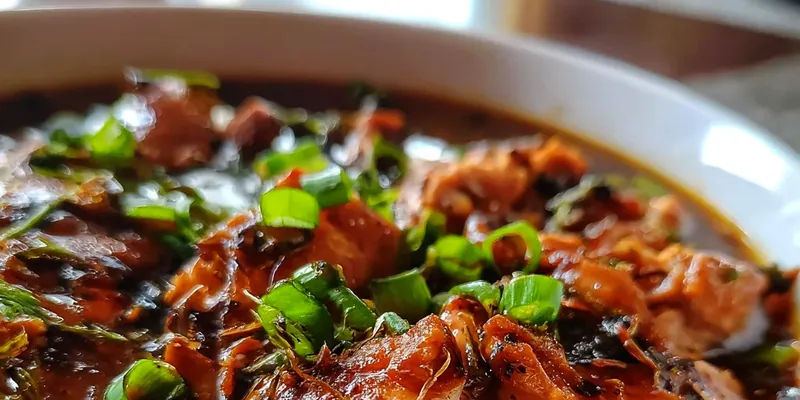
Caramelising soy sauce is a traditional Chinese technique that transforms simple braised chicken into something extraordinary. The process begins with creating a light caramel from brown sugar, which provides the foundation for deep, complex flavors. This caramel base not only adds sweetness but also creates the glossy, mahogany color that makes this dish so visually appealing.
The key to perfect caramelised soy chicken lies in balancing the sweet caramel with the salty umami of soy sauce and the warming aromatics of ginger and garlic. The slow braising process allows these flavors to penetrate the chicken completely while creating a rich, fragrant broth that's perfect for spooning over rice. The result is tender, fall-off-the-bone chicken with a sauce that's both comforting and sophisticated.
💡 Professional Tip
Don't rush the caramelization process - let the sugar melt and turn golden brown before adding the aromatics. This creates the signature depth of flavor that sets this dish apart from simple soy-braised chicken.
Frequently Asked Questions
Yes, this dish actually improves with time! You can make it up to 2 days ahead and store it covered in the refrigerator. The flavors will deepen and become more complex. Reheat gently on the stove, adding a splash of chicken stock if needed to thin the sauce.
While you can use chicken breasts, thighs are preferred for this recipe because they stay moist during the braising process and have more flavor. If using breasts, reduce the cooking time to 15-18 minutes and check for doneness at 165°F internal temperature.
Dark soy sauce is thicker, slightly sweet, and provides deep color, while light soy sauce is saltier and provides the primary umami flavor. Using both creates the perfect balance of color, sweetness, and saltiness that defines this dish.
If you don't have rice wine (Shaoxing wine), you can substitute with dry sherry or mirin. Avoid cooking wine with added salt, as it will make the dish too salty. In a pinch, you can omit it entirely, though the flavor will be less complex.
The chicken is done when it reaches an internal temperature of 165°F and the meat easily pulls away from the bone. The sauce should be glossy and coat the back of a spoon. If the sauce is too thin, simmer uncovered for a few extra minutes to reduce.
This pairs beautifully with steamed jasmine rice, which absorbs the flavorful broth perfectly. You can also serve it with Asian greens like bok choy or Chinese broccoli, or over noodles for a heartier meal. A simple cucumber salad provides a refreshing contrast.
Absolutely! Add 1-2 dried chilies or a teaspoon of chili garlic sauce when you add the aromatics. You can also garnish with fresh sliced chilies or a drizzle of chili oil for heat that doesn't overpower the delicate balance of flavors.
Store leftovers in the refrigerator for up to 3 days in an airtight container. The sauce may thicken when cold - simply add a splash of chicken stock when reheating. You can also freeze for up to 3 months, though the texture may be slightly different after thawing.
Recipe Troubleshooting Guide
Sauce Too Thin
Problem: The broth remains watery and doesn't coat the chicken properly.
Solution: Mix 1 tablespoon cornstarch with 2 tablespoons cold water and stir into the simmering sauce. Cook for 2-3 minutes until thickened. Alternatively, simmer uncovered for 5-10 minutes to reduce naturally.
Chicken Dry
Problem: The chicken meat is tough and dry despite following cooking times.
Solution: This usually happens with chicken breasts or overcooking. Use bone-in, skin-on thighs for best results, and check internal temperature at 20 minutes. The meat should be tender and easily pierced with a fork.
Burnt Caramel
Problem: The sugar caramelized too quickly and became bitter.
Prevention: Start over with fresh sugar and use medium-low heat. Watch carefully and stir once the sugar begins to melt. If it starts smoking, remove from heat immediately and add the liquids to stop the cooking process.
Lack of Color
Problem: The chicken and sauce don't have the characteristic dark brown color.
Recovery: Make sure you're using dark soy sauce, not just light soy sauce. The caramelization step is also crucial for color - let the sugar turn golden brown before proceeding. You can add an extra tablespoon of dark soy sauce if needed.
Greasy Sauce
Problem: The finished dish has too much oil floating on the surface.
Prevention: Skim the fat from the surface with a spoon, or let the dish cool slightly and use a paper towel to blot excess oil. Starting with skin-on chicken helps render some fat, but excess should be removed for the best texture.
Flavor Balance
Too Sweet: Add 1-2 tablespoons of light soy sauce or a splash of rice vinegar to balance excessive sweetness.
Too Salty: Add 1 tablespoon brown sugar and a splash of chicken stock to dilute and balance the saltiness.
Bland: Increase aromatics with fresh ginger, garlic, or a splash more rice wine. Check that your soy sauces are fresh and flavorful.
Selecting the Perfect Ingredients
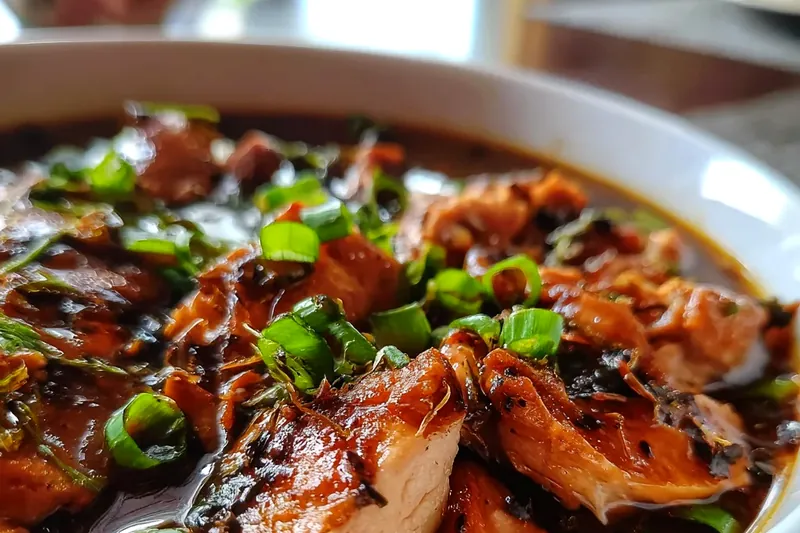
The quality of your ingredients makes all the difference in this dish. Choose bone-in, skin-on chicken thighs for the best flavor and texture - they remain moist during braising and add richness to the broth. Fresh ginger should be firm with smooth skin, while garlic cloves should be plump and free from green shoots. These aromatics form the flavor foundation of your broth.
When it comes to soy sauce, invest in good quality brands - Lee Kum Kee or Pearl River Bridge are excellent choices. The dark soy sauce should be thick and slightly sweet, while the light soy sauce provides the primary saltiness. Fresh star anise and whole cinnamon sticks will give much better flavor than pre-ground spices, so seek these out at Asian markets if possible.
Essential Ingredient Notes
- Chicken Thighs: Choose thighs with skin on for richness and moisture. Bone-in pieces add more flavor to the broth than boneless.
- Fresh Ginger: Look for smooth, firm ginger with tight skin. Young ginger has the best flavor and less fibrous texture.
- Dark Soy Sauce: This provides color and subtle sweetness. It should be thick and dark brown, not thin like light soy sauce.
Mastering the Caramelisation Technique
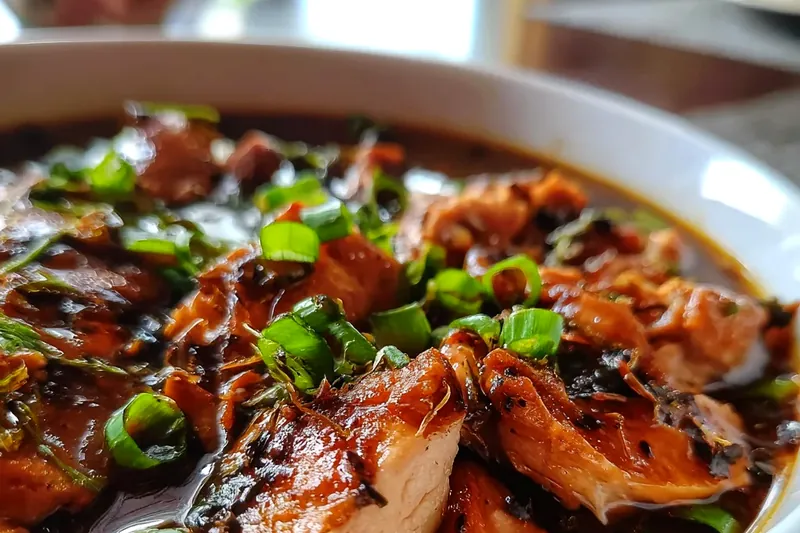
The caramelisation process is what elevates this dish from ordinary braised chicken to restaurant-quality cuisine. Start by heating your sugar over medium heat, allowing it to melt slowly and evenly. Don't stir too early - let the sugar liquefy on its own before gently swirling the pan. You're looking for a golden amber color that smells nutty and sweet, not bitter.
Once your caramel reaches the perfect color, quickly add your aromatics to stop the cooking process and prevent burning. The sizzling sound when you add the ginger and garlic is exactly what you want to hear. This technique, called 'red cooking' in Chinese cuisine, creates layers of flavor that simply can't be achieved by adding sugar directly to the braising liquid.
Perfect Caramel Timing
The key moment is when the sugar turns from clear to golden amber - this takes about 3-4 minutes over medium heat. Add your aromatics immediately at this stage to create the flavor base that makes this dish extraordinary.
Caramelised Soy Chicken with Garlic Ginger Broth - Asian Comfort Food
📋 Ingredients
Proteins
- 1/2 cup dark soy sauceProvides color and subtle sweetness
- 1/4 cup light soy sauceMain source of umami and saltiness
- 3 tablespoons brown sugarFor caramelization and sweetness balance
- 2 tablespoons rice wineAdds depth and removes any gamey flavors
- 2 cups chicken stockCreates the flavorful braising liquid
Aromatics & Seasonings
- 8 chicken thighs, bone-in, skin-onChoose plump thighs for best flavor and texture
- 6 cloves garlic, smashedSmashing releases more flavor than chopping
- 2-inch piece fresh ginger, slicedSlice against the grain for maximum flavor release
- 2 star aniseAdds warm, licorice-like aroma
- 1 cinnamon stickUse whole stick for best flavor
Instructions
Step 1: Prepare the chicken
Pat chicken thighs dry with paper towels. Season lightly with salt and pepper. Heat a large Dutch oven or heavy pot over medium-high heat.
Step 2: Brown the chicken
Add chicken thighs skin-side down and brown for 5-6 minutes until golden. Flip and brown another 3-4 minutes. Remove chicken and set aside.
Step 3: Make the caramel base
In the same pot, add brown sugar and cook until it begins to caramelize, about 2-3 minutes. Add garlic, ginger, star anise, and cinnamon stick. Stir for 30 seconds until fragrant.
Step 4: Add liquids
Pour in both soy sauces and rice wine, scraping up any browned bits. Add chicken stock and bring to a simmer.
Step 5: Braise the chicken
Return chicken to pot skin-side up. Cover and simmer for 20-25 minutes until chicken is tender and cooked through (internal temperature 165°F).
Step 6: Thicken and finish
Mix cornstarch with 1 tablespoon water. Stir into broth and simmer 2 minutes to thicken. Drizzle with sesame oil and garnish with green onions before serving.
Recipe Notes & Tips
Storage
Store covered in refrigerator for up to 3 days. The flavors actually improve with time. Reheat gently on stovetop, adding chicken stock if needed to thin the sauce. Can be frozen for up to 3 months.
Serving Suggestions
Serve over steamed jasmine rice or Asian egg noodles. Pair with steamed vegetables like bok choy or Chinese broccoli. A cucumber salad provides a refreshing contrast to the rich flavors.
Variations
Add dried shiitake mushrooms for earthiness, or include hard-boiled eggs during the last 10 minutes of cooking. For heat, add dried chilies with the aromatics or finish with chili oil.