Creamy Butternut Squash Pasta with Brown Butter Sage
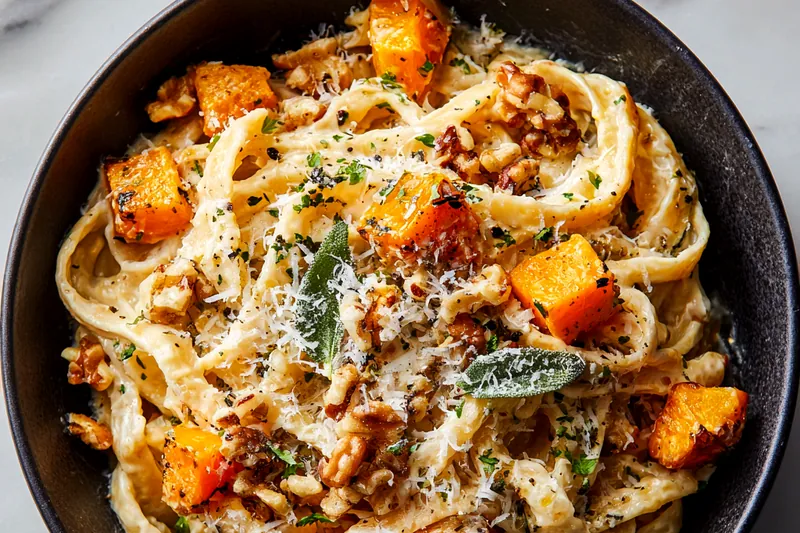
This creamy butternut squash pasta transforms simple fall ingredients into restaurant-worthy comfort food. Sweet roasted squash melds with nutty brown butter and crispy sage for a dish that's both elegant and satisfying. The secret is partially mashing the squash to create a silky sauce that coats every strand of pasta perfectly.

Why This Butternut Squash Pasta Works
The magic of this dish lies in the layering of flavors and textures. Roasting the butternut squash at high heat caramelizes its natural sugars, creating deep, complex sweetness that balances beautifully with the nutty brown butter. Many squash pasta recipes simply purée everything into baby food, but we're taking a different approach. By partially mashing the roasted squash, we create a sauce that's both creamy and textured, with tender chunks that add visual appeal and bursts of concentrated squash flavor.
Brown butter is the secret weapon that elevates this from a simple vegetarian pasta to restaurant-quality cuisine. When butter is cooked past its melting point, the milk solids toast and develop rich, nutty flavors reminiscent of hazelnuts and caramel. Combined with fresh sage crisped in that same butter, you get an aromatic foundation that's impossible to resist. The pasta water is crucial here too - its starch helps bind the sauce to the pasta, creating that glossy, clingy consistency you see in professional Italian kitchens.
💡 Professional Tip
Don't skip reserving the pasta water! The starchy water is what makes the sauce silky and helps it adhere to the pasta. Add it gradually - you can always add more, but you can't take it away. Start with 1/4 cup and add more until the sauce reaches a consistency that coats the back of a spoon.
Frequently Asked Questions
While this pasta is best served fresh, you can prep components ahead. Roast the butternut squash up to 2 days in advance and store it in the refrigerator. Make the brown butter sage up to 1 day ahead and reheat gently. However, cook the pasta fresh and combine everything just before serving for the best texture. Reheated pasta won't have the same silky quality, though leftovers can be revived with a splash of cream or pasta water.
Absolutely! Pre-cut butternut squash from the grocery store is a huge time-saver and works perfectly for this recipe. You'll need about 2 cups of cubed squash. Just make sure the pieces are roughly the same size (about 3/4-inch cubes) so they roast evenly. If some pieces are larger, cut them down to match the smaller ones.
Fresh sage is really important to this dish as it provides both flavor and a beautiful crispy garnish. If you absolutely can't find it, you can use 1 teaspoon of dried sage added to the brown butter, but skip the crispy sage garnish. Alternatively, fresh thyme or rosemary can work, though they'll give a different flavor profile. Use about 6-8 small sprigs of thyme or 2-3 small sprigs of rosemary.
Yes! Replace the butter with vegan butter or olive oil (you'll lose the brown butter flavor with olive oil, but it's still delicious). Use full-fat coconut cream or cashew cream instead of heavy cream, and substitute the Parmesan with nutritional yeast (about 1/4 cup) or vegan Parmesan. The sauce will be slightly thinner but still flavorful and creamy.
Brown butter happens quickly, so watch carefully! After the butter melts, it will foam up as the water evaporates. Once the foam subsides, you'll see the milk solids at the bottom of the pan turning golden, then amber. When you smell a nutty, almost toasted aroma and the color is a rich golden-brown (like hazelnuts), remove it from heat immediately. It can burn in seconds, so stay focused. The whole process takes about 5-6 minutes from start to finish.
This rich, creamy pasta pairs beautifully with light, acidic sides. A simple arugula salad with lemon vinaigrette cuts through the richness perfectly. Roasted Brussels sprouts or broccolini add a nice bitter contrast. For protein, grilled chicken, pan-seared salmon, or crispy prosciutto work wonderfully. A glass of Chardonnay or Pinot Grigio complements the butternut squash and brown butter flavors beautifully.
Definitely! While fettuccine or tagliatelle are ideal because their flat surfaces catch the sauce beautifully, you can use pappardelle, linguine, or even rigatoni. Short pasta like penne or shells work too, though they won't have quite the same elegant presentation. Just avoid very delicate pasta like angel hair, which can get overwhelmed by the chunky sauce.
Store leftovers in an airtight container in the refrigerator for up to 3 days. The pasta will absorb sauce as it sits, so it may seem dry when you reheat it. To revive it, add a splash of cream, milk, or pasta water while reheating in a skillet over medium-low heat. You can also microwave it, but add liquid first and stir halfway through. The crispy sage won't stay crispy in storage, but the flavor will still be there.
Recipe Troubleshooting Guide
Sauce Is Too Thick
Problem: The sauce becomes pasty or clumpy instead of silky and smooth.
Solution: This means you need more liquid. Add pasta water 2 tablespoons at a time while tossing the pasta, allowing it to incorporate between additions. The starch in the pasta water will help create a smooth, glossy sauce. If you've run out of pasta water, use warm cream or milk instead.
Sauce Is Too Thin
Problem: The sauce is watery and won't cling to the pasta.
Solution: Continue cooking the pasta in the sauce over medium heat, allowing excess liquid to evaporate. Toss constantly for 2-3 minutes. You can also add more grated Parmesan, which will help thicken the sauce as it melts. If needed, mash more of the squash to create a thicker base.
Butter Burned Instead of Browning
Problem: The butter turned dark brown or black with a bitter smell.
Prevention: Unfortunately, burned butter can't be fixed - you'll need to start over. Prevent this by using medium heat (not high), watching carefully, and removing from heat as soon as you smell the nutty aroma and see amber color. Keep a clean pan ready so you can immediately transfer the butter if it's browning too quickly.
Squash Didn't Caramelize
Problem: The roasted squash is soft but pale and lacks flavor depth.
Recovery: Your oven temperature was likely too low, or the squash was overcrowded on the pan. Make sure your oven is fully preheated to 425°F. Spread squash in a single layer with space between pieces - overcrowding causes steaming instead of roasting. If already cooked, try pan-frying the squash in a little butter over high heat to develop color.
Sage Isn't Crispy
Problem: The sage leaves are limp or chewy instead of crispy.
Prevention: Make sure the sage leaves are completely dry before adding to the butter - pat them with paper towels. Cook them in the butter for a full 2-3 minutes without disturbing them too much. They should sizzle actively. Once removed from the butter, place them on a paper towel - they'll crisp up as they cool. If they're still not crispy after cooling, they weren't cooked long enough.
Flavor Balance Issues
Too Sweet: If the sauce is too sweet from the squash, add a squeeze of lemon juice or a splash of white wine vinegar to balance the sweetness. Increase the black pepper and add a pinch more salt.
Too Salty: If too salty, add more cream and a bit of the unsalted pasta water to dilute. You can also add more roasted squash if you have extra on hand.
Bland: Layer in more flavor with extra Parmesan, a pinch of nutmeg or cinnamon, red pepper flakes for heat, or a drizzle of good quality olive oil at the end. Fresh lemon zest brightens everything up.
Choosing the Best Ingredients for Maximum Flavor
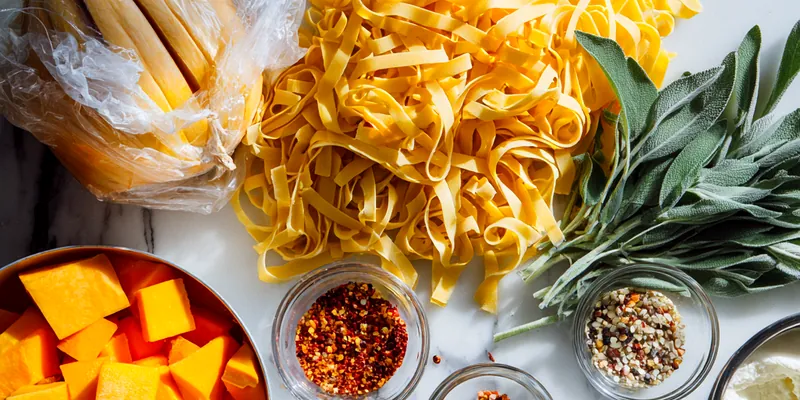
The quality of your butternut squash makes a huge difference in this dish. Look for squash that feels heavy for its size with a matte, tan skin - shiny skin indicates it was picked too early. The neck portion (the cylinder part) is easier to peel and cube than the bulbous bottom, and it has fewer seeds. For this recipe, you can buy just the neck portion if your store sells them separately. If you're cutting your own squash, a sturdy vegetable peeler and a sharp chef's knife are essential. Always cut the squash on a stable cutting board, and don't hesitate to use pre-cut squash to save time.
For the pasta, choose a high-quality dried Italian brand made from 100% durum wheat semolina. The rough, matte surface of good pasta (as opposed to shiny, smooth pasta) helps sauce cling better. Fresh pasta works beautifully too but will cook faster, so adjust timing accordingly. When it comes to Parmesan, please use freshly grated Parmigiano-Reggiano rather than pre-grated cheese. The difference is remarkable - real Parmesan melts smoothly and adds complex, nutty flavor, while pre-grated cheese contains anti-caking agents that make the sauce grainy. A small wedge will last weeks wrapped properly in the fridge.
Essential Ingredient Notes
- Butternut Squash: Choose squash with unblemished, matte skin that feels heavy and solid. Store whole squash in a cool, dry place for up to 3 months. Once cut, wrap tightly and refrigerate for up to 5 days. For easier prep, microwave the whole squash for 2-3 minutes to soften the skin before peeling.
- Fresh Sage: Look for sage leaves that are gray-green and velvety, not wilted or brown. Store sage wrapped in a slightly damp paper towel in a plastic bag in the refrigerator for up to a week. For longer storage, freeze whole leaves in a single layer, then transfer to a freezer bag - they'll keep for months.
- Unsalted Butter: Use European-style butter with higher butterfat content (82% vs 80%) if available - it creates richer brown butter. Always use unsalted butter so you can control the seasoning. Butter should smell fresh and sweet, never sour or rancid. Keep it refrigerated and bring to room temperature before browning for more even cooking.
Mastering the Technique: Brown Butter and Sauce Building
Brown butter is one of those techniques that seems intimidating but becomes easy with practice. The key is understanding what's happening: butter contains water, milk fat, and milk solids. As you heat it, the water evaporates (that's the foaming stage), and then the milk solids begin to toast. This toasting creates hundreds of new flavor compounds that taste nutty, caramelized, and complex. The challenge is catching it at the perfect moment - too early and you miss the flavor development; too late and it burns. Use a light-colored pan so you can see the color change clearly, and swirl frequently so the milk solids toast evenly.
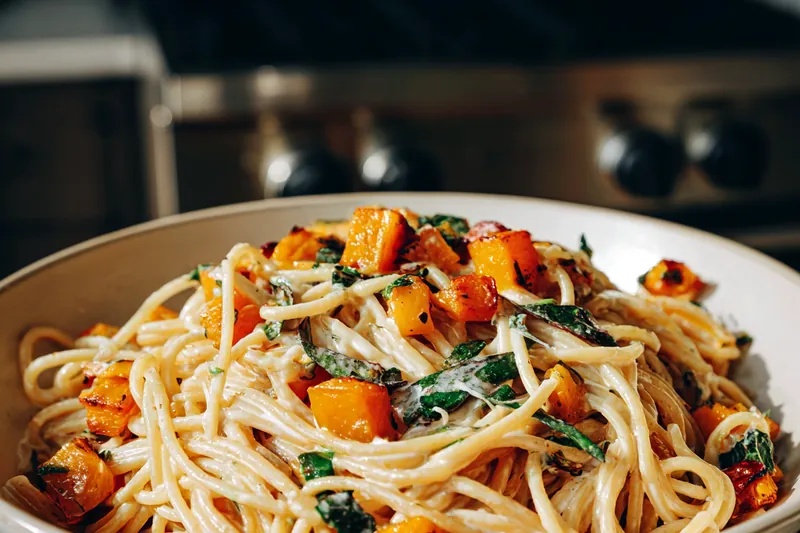
Building the sauce is about balancing textures and flavors. When you partially mash the roasted squash, you're creating body and creaminess while maintaining some textural interest. The cream adds richness and helps create a cohesive sauce, while the Parmesan brings saltiness and umami depth. The pasta water is your adjustment tool - its starch acts as an emulsifier, helping fat and water stay combined in a glossy coating. Add it gradually while tossing the pasta vigorously. You want the sauce to look almost too loose in the pan because it will thicken as it coats the pasta and begins to cool. If you've nailed it, each strand of pasta should be evenly coated with a silky sauce that's neither dry nor swimming in liquid.
The Perfect Sauce Consistency
Professional chefs use this test: lift pasta with tongs and let it fall back into the pan. The sauce should coat the pasta in a thin, glossy layer and only a small amount should drip off. If too much sauce pools at the bottom of the pan, continue cooking to reduce. If the pasta looks dry, add more pasta water or cream. The sauce will thicken slightly as it sits, so err on the side of slightly loose rather than too thick.
Creamy Butternut Squash Pasta with Brown Butter Sage
📋 Ingredients
For the Pasta and Squash
- 6 tablespoons unsalted butter, dividedEuropean-style butter with higher fat content creates the richest brown butter
- 12 fresh sage leavesMake sure leaves are completely dry for maximum crispiness
- 3 cloves garlic, mincedMince finely so it distributes evenly throughout the sauce
- 1/2 cup heavy creamCan substitute with half-and-half for a lighter version
- 1/2 cup freshly grated Parmesan cheese, plus more for servingGrate right before using for best melting and flavor
- 1/4 teaspoon nutmegFreshly grated nutmeg is much more aromatic than pre-ground
- Salt and black pepper to tasteSeason generously - the squash needs proper seasoning to shine
For the Brown Butter Sauce
- 12 oz fettuccine or tagliatelle pastaUse high-quality Italian pasta with a rough texture for best sauce adhesion
- 2 cups roasted butternut squash cubes (about 1 small squash)Pre-cut squash works great - just make sure pieces are uniform in size
- 2 tablespoons olive oil for roastingUse extra virgin olive oil for the best flavor
- 1 cup reserved pasta waterDon't forget to scoop this out before draining - it's essential for the sauce!
- 1/2 cup toasted walnuts, roughly choppedToast walnuts in a dry pan for 3-4 minutes until fragrant for maximum flavor
- Red pepper flakes for garnish (optional)Adds a nice subtle heat that balances the sweetness of the squash
Instructions
Roast the Squash
Preheat oven to 425°F. Toss butternut squash cubes with 2 tablespoons olive oil, salt, and pepper on a large baking sheet. Spread in a single layer with space between pieces. Roast for 25-30 minutes until tender and caramelized at the edges, flipping halfway through for even browning. The squash should have golden-brown spots.
Cook the Pasta
Bring a large pot of salted water to a rolling boil (water should taste like the sea). Add pasta and cook according to package directions until al dente - tender but still firm to the bite. Before draining, use a measuring cup or ladle to scoop out 1 cup of the starchy pasta water and set aside. Drain pasta but do not rinse.
Make Brown Butter and Crispy Sage
In a large skillet over medium heat, melt 4 tablespoons butter. Once melted, add sage leaves in a single layer and cook for 2-3 minutes until crispy and the edges curl. Remove sage with a slotted spoon and set aside on a paper towel. Continue cooking the butter, swirling the pan frequently, until it turns golden brown and smells nutty, about 2 more minutes. Watch carefully to prevent burning.
Create the Sauce
Add minced garlic to the brown butter and cook for 30 seconds until fragrant but not browned. Add roasted butternut squash, cream, and 1/2 cup of reserved pasta water. Using a potato masher or the back of a fork, partially mash the squash, leaving some chunks for texture. Stir in Parmesan cheese and nutmeg until the cheese melts. Season generously with salt and freshly ground black pepper. The sauce should be smooth but textured.
Combine and Finish
Add drained pasta to the skillet and toss vigorously to coat, using tongs or two wooden spoons to lift and turn the pasta. Add more pasta water 2 tablespoons at a time if needed to reach desired consistency. The sauce should cling to the pasta in a glossy coating. Continue tossing for 1-2 minutes to allow the pasta to absorb the flavors.
Plate and Serve
Divide pasta among four warmed bowls, twirling it with tongs for an elegant presentation. Melt remaining 2 tablespoons butter and drizzle over each portion. Top with crispy sage leaves, toasted walnuts, a generous grating of fresh Parmesan, and several cracks of black pepper. Add red pepper flakes if desired. Serve immediately while hot.
Recipe Notes & Tips
Storage
Store leftovers in an airtight container in the refrigerator for up to 3 days. The pasta will absorb the sauce, so add a splash of cream or milk when reheating. Reheat gently in a skillet over medium-low heat or in the microwave, stirring halfway through. The crispy sage will soften in storage but still adds flavor. Not recommended for freezing as the cream-based sauce may separate.
Serving Suggestions
Serve with a crisp arugula salad dressed with lemon vinaigrette to cut the richness. Crusty bread for mopping up extra sauce is essential. For added protein, top with grilled chicken breast, pan-seared salmon, or crispy prosciutto. This pasta also pairs wonderfully with roasted Brussels sprouts or sautéed broccolini. Pair with Chardonnay, Pinot Grigio, or a light Pinot Noir.
Variations
Make it vegan by using vegan butter, coconut cream, and nutritional yeast. Add protein with Italian sausage, grilled chicken, or white beans. Try different nuts like pecans or hazelnuts instead of walnuts. Substitute acorn squash or pumpkin for butternut squash. Add baby spinach or kale in the last minute of cooking for extra nutrition. For a lighter version, use half-and-half instead of heavy cream and reduce butter to 4 tablespoons total.