Creamy Mushroom Lasagna with Béchamel Sauce
This creamy mushroom lasagna takes comfort food to the next level with its rich homemade béchamel sauce and layers of perfectly seasoned sautéed mushrooms. Unlike traditional red sauce lasagna, this white lasagna showcases earthy mushroom flavors complemented by nutty Parmesan and creamy mozzarella. It's an elegant vegetarian main course that's perfect for family dinners or special occasions.

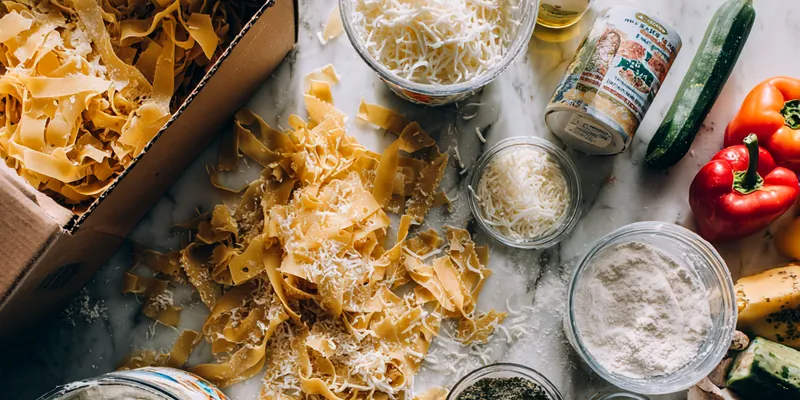
Why This Mushroom Lasagna Works
The secret to exceptional mushroom lasagna lies in building layers of complementary flavors and textures. By properly browning the mushrooms first, you remove excess moisture and concentrate their umami-rich flavor, preventing a watery lasagna. The homemade béchamel sauce, enriched with nutmeg and Parmesan, provides a creamy base that's far superior to store-bought alternatives and creates that signature silky texture between pasta layers.
Unlike heavy red sauce lasagnas, this white lasagna allows the earthy mushroom flavor to shine through. The combination of mozzarella's meltability and Parmesan's sharp, nutty notes creates a cheese layer that's flavorful without being overwhelming. Fresh herbs added both during cooking and as a final garnish provide brightness that balances the rich, creamy elements. The result is a sophisticated dish that's comforting yet refined enough for entertaining.
💡 Professional Tip
Always warm your milk before adding it to the butter-flour roux when making béchamel. This prevents the sauce from seizing up and helps you achieve a perfectly smooth, lump-free consistency. Whisk constantly while adding the milk in a steady stream.
Frequently Asked Questions
Yes! Assemble the lasagna completely, cover tightly with plastic wrap and then foil, and refrigerate for up to 24 hours before baking. Add an extra 10-15 minutes to the covered baking time if baking straight from the refrigerator. You can also freeze the assembled, unbaked lasagna for up to 3 months. Thaw overnight in the refrigerator before baking.
A mix of mushrooms provides the best flavor and texture. Cremini mushrooms offer great depth, button mushrooms are economical and mild, while shiitake or oyster mushrooms add a more complex, earthy flavor. Avoid using all portobello mushrooms as they can make the dish too dark. If you can find fresh porcini, they're absolutely magnificent in this recipe, though dried porcini (rehydrated) work beautifully too.
Yes, no-boil noodles work well in this recipe. Make sure your béchamel sauce is slightly thinner than normal (add an extra 1/4 cup milk) to provide enough moisture for the noodles to properly hydrate during baking. Also, ensure the sauce fully covers the no-boil noodles, especially at the edges, to prevent them from becoming hard or crunchy.
The key is using warm milk and whisking constantly. Heat your milk in a separate pan or microwave before adding it to the roux (butter-flour mixture). Add the milk gradually while whisking vigorously. If you do get lumps, strain the sauce through a fine-mesh sieve or use an immersion blender to smooth it out before assembling the lasagna.
The lasagna is done when the top is golden brown with bubbling edges, the cheese is fully melted and slightly caramelized, and you can see the sauce bubbling around the sides of the dish. If you insert a knife into the center, it should slide in easily without resistance, and when you remove it, the knife should be hot to the touch. Internal temperature should reach 165°F.
This rich lasagna pairs beautifully with simple, fresh sides. A crisp green salad with lemon vinaigrette cuts through the creaminess perfectly. Garlic bread or crusty Italian bread is great for soaking up extra sauce. Roasted vegetables like asparagus, broccolini, or green beans provide a nice textural contrast. For wine, try a crisp white like Pinot Grigio or a light red like Chianti.
Absolutely! Spinach is a classic addition - sauté it with the mushrooms or layer it between the pasta sheets. Roasted butternut squash cubes add sweetness, while caramelized onions provide depth. Sun-dried tomatoes offer concentrated flavor, and artichoke hearts bring a pleasant tang. Just be sure to properly prepare any vegetables to remove excess moisture before adding them.
Store leftover lasagna in an airtight container in the refrigerator for up to 4 days. For best results, reheat individual portions in the oven at 350°F, covered with foil, for about 20 minutes or until heated through. Microwave reheating works but may result in uneven heating and softer texture. Frozen leftovers will keep for up to 3 months; thaw in the refrigerator overnight before reheating.
Recipe Troubleshooting Guide
Watery Lasagna
Problem: The lasagna releases too much liquid and becomes soupy.
Solution: This happens when mushrooms aren't properly cooked before assembly. Mushrooms contain a lot of water, so sauté them over medium-high heat until deeply browned and most liquid has evaporated - this takes 8-10 minutes. Don't crowd the pan, or they'll steam instead of brown. Also, ensure your béchamel is thick enough (should coat the back of a spoon) and let the lasagna rest 10-15 minutes before cutting.
Dry, Hard Noodles
Problem: The pasta edges are hard and crunchy after baking.
Solution: This occurs when noodles aren't fully covered with sauce or when using no-boil noodles without enough liquid. Make sure every noodle is completely covered with béchamel, especially at the edges. If using no-boil noodles, thin your sauce with extra milk and cover tightly with foil during the first part of baking to trap moisture. You can also brush exposed pasta edges with a little milk before baking.
Separated or Grainy Sauce
Problem: The béchamel sauce looks curdled or has a grainy texture.
Prevention: This usually happens when the sauce gets too hot or when cold milk is added to hot roux. Always warm your milk before adding and maintain medium heat throughout. If the sauce does separate, remove from heat immediately and whisk in 2 tablespoons of cold cream while whisking vigorously. You can also use an immersion blender to re-emulsify. Adding cheese while the sauce is too hot can also cause graininess, so let it cool slightly first.
Flat, Collapsed Layers
Problem: The lasagna layers slide and don't hold their shape when served.
Recovery: This is usually due to too much sauce or not enough resting time. Use a restrained hand with the béchamel - you want enough to moisten each layer but not so much that it pools. After baking, let the lasagna rest uncovered for at least 10-15 minutes (20 minutes is even better). This allows the sauce to set and the layers to firm up. Also, make sure your béchamel is thick enough - it should coat a spoon heavily.
Pale, Unappetizing Top
Problem: The top doesn't brown nicely and looks washed out.
Prevention: Remove the foil for the final 15 minutes of baking to allow browning. Make sure you have enough cheese on top - don't skimp on that final Parmesan layer. If it's still pale near the end of baking, turn on the broiler for 2-3 minutes, watching carefully to prevent burning. Using a mix of mozzarella and Parmesan on top (not just mozzarella) helps achieve better color. You can also brush the top lightly with melted butter before the final uncovered baking.
Flavor Balance Issues
Too Sweet: If your lasagna tastes too sweet, the mushrooms may not have been properly caramelized, or there's too much natural milk sugar. Add a pinch more salt and a crack of black pepper, or squeeze a bit of lemon juice over individual servings to balance the sweetness.
Too Salty: If too salty, you likely over-salted the béchamel or used overly salty cheese. Serve with a dollop of plain ricotta or crème fraîche on top to dilute the salt, or pair with a crisp, acidic salad. For next time, salt conservatively and taste as you go, especially before adding cheese which is naturally salty.
Bland: If the lasagna tastes bland, you likely under-seasoned the mushrooms or béchamel. Always season each component as you build - salt the mushrooms while cooking, season the béchamel generously, and don't forget the nutmeg which adds subtle depth. Fresh herbs and a good quality Parmesan make a huge difference. Consider adding more garlic or a splash of white wine to the mushrooms.
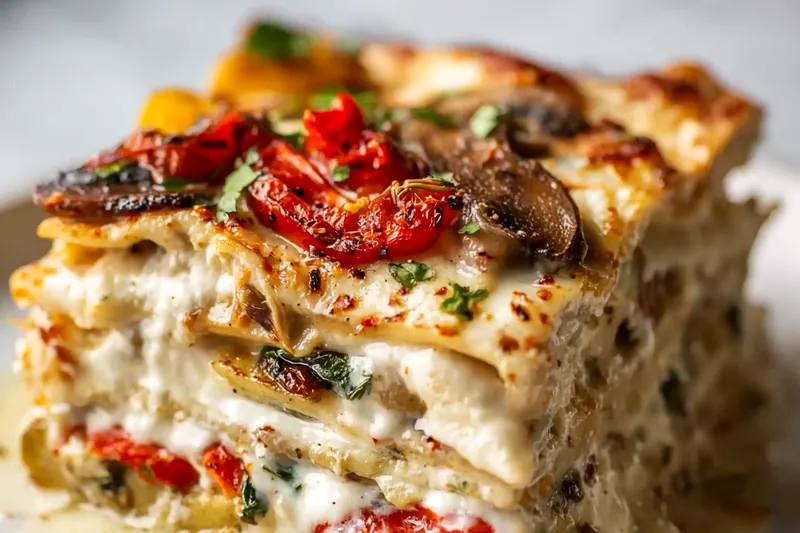
Selecting the Right Ingredients
The quality of your ingredients directly impacts the final dish, especially in a recipe this simple and elegant. For mushrooms, look for firm specimens with smooth caps and no sliminess. A variety of mushrooms creates complexity - cremini provide earthiness, shiitake add depth, and button mushrooms offer a mild base. Avoid pre-sliced mushrooms as they lose moisture and flavor quickly. When it comes to cheese, freshly grated Parmesan and good-quality, whole-milk mozzarella make all the difference over pre-shredded varieties, which contain anti-caking agents that prevent smooth melting.
For the béchamel, whole milk is essential - skim or low-fat milk will result in a thin, less flavorful sauce. Real butter (not margarine) provides the proper fat content and flavor for the roux. Use genuine Parmigiano-Reggiano rather than domestic parmesan for the most authentic nutty, complex flavor. Fresh herbs are worth the investment here; dried herbs simply can't match the bright flavor of fresh thyme and parsley. The nutmeg should be freshly grated if possible - it adds a subtle warmth that makes the béchamel special.
Essential Ingredient Notes
- Mushrooms: Choose mushrooms that feel heavy for their size with tight, closed caps. Store them in a paper bag in the refrigerator and clean them with a damp towel rather than washing, which makes them soggy. Mix varieties for complex flavor - use about 60% cremini, 30% button, and 10% specialty mushrooms like shiitake for the best balance of flavor and economy.
- Lasagna Noodles: Regular lasagna noodles give you the most control over texture. Cook them 1-2 minutes less than package directions (very al dente) since they'll continue cooking in the oven. Immediately rinse under cold water after draining to stop the cooking process and prevent sticking. Lay them flat on oiled parchment paper until ready to use.
- Parmesan Cheese: Invest in a wedge of authentic Parmigiano-Reggiano and grate it yourself - the flavor difference is remarkable. Look for cheese that's aged at least 24 months for the best nutty, complex flavor. Store wrapped in parchment paper (not plastic) in the refrigerator. Save the rinds to add to soups and sauces for extra umami depth.
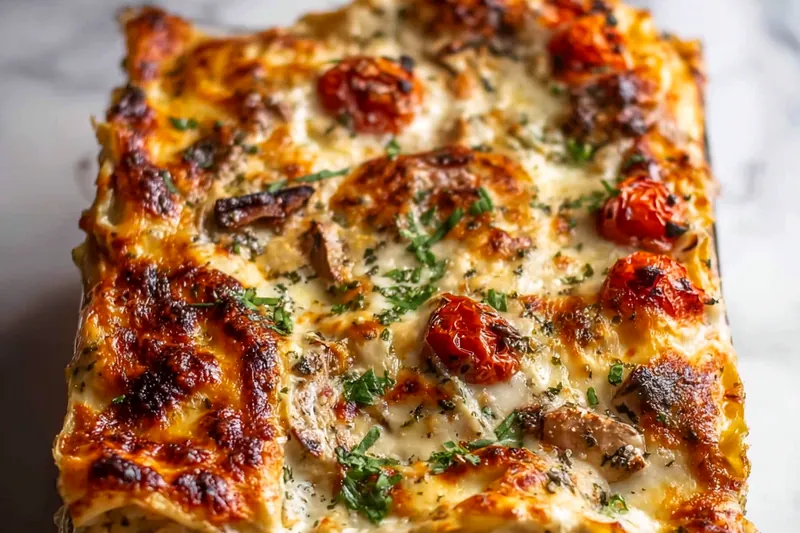
Mastering the Technique
The foundation of great lasagna is in the details. When making béchamel, maintaining medium heat is crucial - too high and the sauce will break or burn, too low and it won't thicken properly. The roux (butter and flour mixture) should cook for about 2 minutes to eliminate the raw flour taste but shouldn't brown. When adding milk, pour it slowly while whisking constantly to incorporate smoothly. The sauce is ready when it coats the back of a wooden spoon and you can draw a line through it with your finger that holds its shape.
Layering requires a delicate balance - too much sauce makes the lasagna soggy, too little makes it dry. Start with a thin layer of béchamel on the bottom to prevent sticking, then add pasta, sauce, mushrooms, and cheese in that order. Press down gently on each layer to eliminate air pockets. The top layer should be béchamel and cheese only for the best browning. Covering with foil for the first part of baking prevents the top from over-browning while ensuring the interior cooks through. The resting period after baking isn't optional - it allows the structure to set so you get clean, beautiful slices instead of a saucy mess.
Perfect Béchamel Every Time
The secret to lump-free béchamel is temperature and technique. Start by warming your milk in a separate pan or microwave until it's hot but not boiling. This prevents temperature shock when it hits the roux. Make your roux by melting butter over medium heat, then whisking in flour until it forms a smooth paste. Cook this for 2 minutes, whisking constantly - it should smell slightly nutty. Now add your warm milk very gradually, starting with just a few tablespoons and whisking until completely smooth before adding more. Continue whisking constantly as you add the rest of the milk in a steady stream. The sauce will suddenly thicken after 5-7 minutes of cooking. Season generously with salt, white pepper, and a pinch of nutmeg. The sauce should be thick enough to coat a spoon but still pourable - think consistency of heavy cream rather than paste.
Creamy Mushroom Lasagna with Béchamel Sauce
📋 Ingredients
For the Béchamel Sauce
- 3 tablespoons butterUse real butter, not margarine, for best flavor
- 3 tablespoons all-purpose flourCreates the roux base for the sauce
- 3 cups whole milk, warmedWarm milk prevents lumps in the béchamel
- 1/4 teaspoon nutmegFreshly grated nutmeg adds subtle warmth
- Salt and white pepper to tasteSeason generously for best flavor
For the Lasagna Assembly
- 12 lasagna noodlesCook until just al dente, they'll finish cooking in the oven
- 1 pound mixed mushrooms, slicedCremini, button, and shiitake work beautifully together
- 3 cloves garlic, mincedFresh garlic adds aromatic depth
- 2 tablespoons olive oilFor sautéing the mushrooms
- 2 cups shredded mozzarella cheeseWhole milk mozzarella melts best
- 1 cup grated Parmesan cheeseParmigiano-Reggiano provides authentic flavor
- 1/4 cup fresh parsley, choppedAdds brightness and color
- 2 tablespoons fresh thyme leavesComplements the earthy mushrooms perfectly
- 1 cup cherry tomatoes, halvedRoasted on top for color and acidity
Instructions
Prepare Pasta and Mushrooms
Cook lasagna noodles according to package directions until al dente. Drain and lay flat on parchment paper. Heat olive oil in a large skillet over medium-high heat and sauté mushrooms for 8-10 minutes until golden brown. Add garlic and cook 1 minute more. Season with salt and pepper, then set aside.
Make Béchamel Sauce
In a medium saucepan, melt butter over medium heat. Whisk in flour and cook for 2 minutes, stirring constantly. Gradually add warm milk while whisking continuously to prevent lumps. Continue cooking and stirring until sauce thickens, about 5-7 minutes. Season with salt, pepper, and nutmeg. Remove from heat and stir in half the Parmesan cheese.
Layer the Lasagna
Preheat oven to 375°F (190°C). Spread a thin layer of béchamel sauce in a 9x13 inch baking dish. Layer 4 lasagna noodles, one-third of the remaining béchamel, one-third of the mushrooms, and one-third of the mozzarella cheese. Repeat layers twice more, ending with a final layer of béchamel and cheese on top.
Add Toppings and Bake
Sprinkle remaining Parmesan cheese over the top layer. Arrange cherry tomato halves on the surface and sprinkle with fresh thyme. Cover with foil and bake for 30 minutes. Remove foil and bake an additional 15 minutes until golden and bubbling.
Rest and Serve
Remove lasagna from oven and let rest for 10-15 minutes before slicing. This allows the layers to set and makes serving easier. Garnish with fresh parsley and serve hot.
Recipe Notes & Tips
Storage
Store leftover lasagna covered in the refrigerator for up to 4 days. Reheat individual portions in the oven at 350°F for best results. This lasagna also freezes beautifully - wrap tightly in plastic wrap and foil, then freeze for up to 3 months. Thaw overnight in the refrigerator before reheating.
Serving Suggestions
Serve this rich lasagna with a simple arugula salad dressed with lemon vinaigrette to cut through the creaminess. Crusty garlic bread and roasted asparagus or broccolini make excellent accompaniments. For wine pairing, try a crisp Pinot Grigio or light Chianti.
Variations
Add a layer of wilted spinach for extra nutrition and color. Caramelized onions provide wonderful sweetness and depth. For a richer version, add dollops of ricotta cheese between the layers. You can also incorporate sun-dried tomatoes, roasted red peppers, or artichoke hearts for different flavor profiles.