Glazed Salmon with Vegetables
Glazed Salmon with Vegetables is a delightful Asian-inspired dish that combines tender salmon fillets with a sweet and savory glaze. The colorful mix of sautéed vegetables adds both nutrition and vibrancy to your dinner plate. This recipe is perfect for weeknight meals or special occasions, striking a balance between healthy and indulgent. You'll impress your family and friends with this easy yet elegant dinner option!

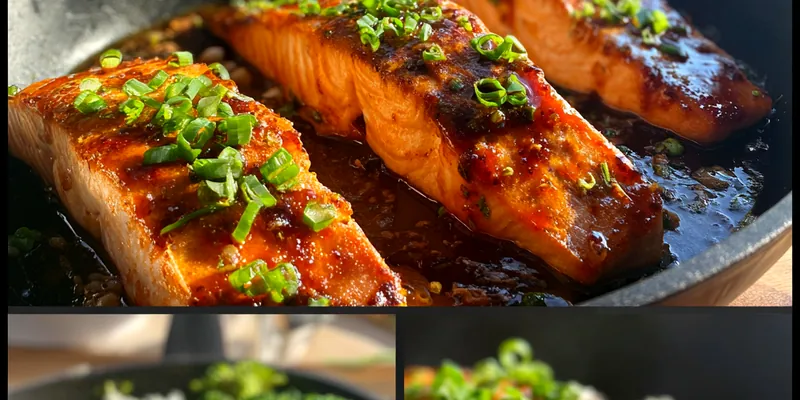
Why This Glazed Salmon with Vegetables Recipe Works
This recipe stands out because of its simple yet flavorful marinade that perfectly enhances the natural taste of the salmon. The glaze, made from soy sauce and honey, creates a beautiful caramelization during cooking, giving the dish an irresistible shine. The colorful vegetables not only add nutritional value but also bring a vibrant presentation to your plate.
The technique used in this recipe ensures that the salmon remains moist and flaky while the vegetables retain their crunch. By marinating the salmon and then baking it, you create a perfect harmony of flavors. It's a foolproof method that guarantees delicious results every time.
💡 Professional Tip
For the best flavor, let your salmon marinate for at least an hour, or even overnight if you have time. This allows the flavors to penetrate deeply into the fish. Additionally, always check for doneness by flaking the salmon with a fork; it should easily break apart and be opaque in the center.
Frequently Asked Questions
Yes, you can prepare the marinade and marinate the salmon ahead of time. However, it’s best to cook the salmon fresh just before serving to maintain its texture. You can also pre-cook the vegetables and reheat them quickly when you're ready to serve.
If you prefer a sugar-free option, you can use agave nectar or maple syrup as a substitute for honey. For a different flavor profile, consider using brown sugar or coconut sugar. Each option will slightly alter the glaze’s sweetness and taste, so choose according to your preference.
The salmon is done when it flakes easily with a fork and the center is opaque. You can also use a meat thermometer; the internal temperature should reach 145°F (63°C). Keep an eye on the vegetables; they should be tender but still crisp.
Yes, this dish can be frozen, but it’s best to freeze the salmon and vegetables separately. Wrap the salmon tightly in plastic wrap, then in aluminum foil before freezing. For the vegetables, store them in an airtight container. When you’re ready to eat, thaw them in the refrigerator overnight before reheating.
This dish pairs beautifully with steamed rice or quinoa to soak up the glaze. You can also serve it alongside a light salad or stir-fried noodles for a complete meal. For a refreshing touch, consider adding a side of cucumber salad or pickled vegetables.
Leftovers can be stored in an airtight container in the refrigerator for up to 3 days. However, for the best taste and texture, it's recommended to consume them within 1-2 days. Reheat gently in the oven or microwave to avoid overcooking the salmon.
Yes, you can marinate the salmon the night before and store it in the refrigerator. However, cook it fresh just before serving for the best flavor and texture. Pre-cooked vegetables can also be prepared in advance and reheated quickly.
To reheat, place the salmon in a preheated oven at 300°F (150°C) for about 10-15 minutes until warmed through. For the vegetables, you can stir-fry them briefly in a pan or microwave them until heated. Avoid reheating too long to prevent drying out the salmon.
Recipe Troubleshooting Guide
Too Dry
Problem: If your salmon turns out dry, it may have been overcooked.
Solution: To prevent this, always check for doneness earlier than the suggested cooking time. You can also baste the salmon with the marinade during baking to keep it moist.
Not Crispy Enough
Problem: Sometimes the salmon skin may not crisp up as desired.
Solution: For crispier skin, try searing the salmon skin side down in a hot skillet for a few minutes before transferring it to the oven. This will help achieve that perfect crispy texture.
Overcooked
Problem: If your salmon is overcooked, it will become tough and dry.
Prevention: To avoid this, use a meat thermometer to monitor the internal temperature, cooking it just until it reaches 145°F (63°C). Also, consider removing it from the oven slightly earlier as it will continue to cook from residual heat.
Undercooked Center
Problem: If the salmon is undercooked in the center, it will appear translucent.
Recovery: Return the salmon to the oven briefly, checking every few minutes until it's opaque and flakes easily with a fork. Ensure that the oven is preheated to the right temperature to cook evenly.
Burnt Exterior
Problem: If the exterior of the salmon is burnt, the heat may have been too high.
Prevention: To prevent this, lower the oven temperature slightly and keep a close eye on the salmon while it cooks. Basting with marinade can also help protect the surface from burning.
Flavor Balance
Too Sweet: If the dish is too sweet, add a splash of vinegar or citrus juice to balance the flavors.
Too Salty: If it's too salty, serve it with a side of rice or add more vegetables to dilute the saltiness.
Bland: If the dish is bland, try adding more seasoning, such as fresh herbs or a dash of soy sauce, to enhance flavor.
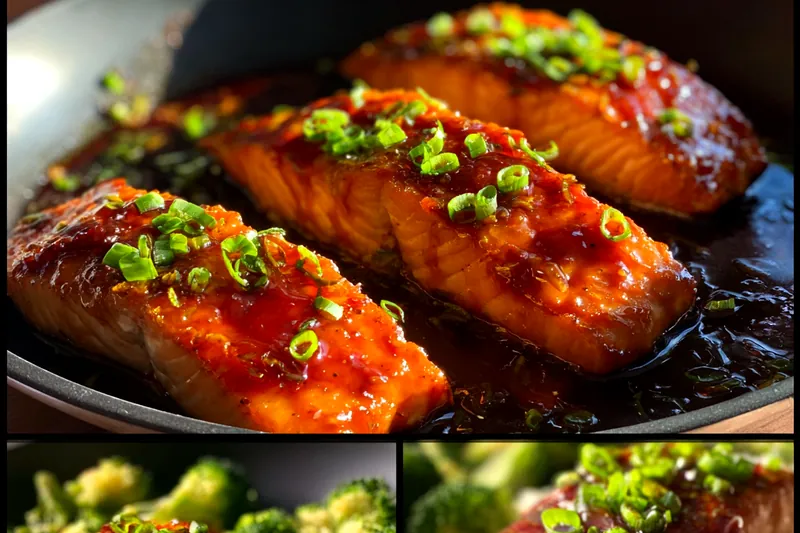
Essential Ingredients for Glazed Salmon with Vegetables
The key ingredients for this recipe include fresh salmon fillets, which provide a rich source of omega-3 fatty acids. The marinade consists of soy sauce and honey, creating a perfect balance of sweet and savory flavors. Fresh vegetables like broccoli, bell peppers, and snap peas add color, texture, and essential nutrients.
Choosing high-quality ingredients is crucial for the best results. Opt for wild-caught salmon if possible, as it has superior flavor compared to farmed. When selecting vegetables, look for vibrant colors and firm textures to ensure freshness and taste.
Essential Ingredient Notes
- Salmon: Choose high-quality, fresh salmon for the best flavor. Look for fillets with a bright color and minimal odor. If you're using frozen salmon, ensure it's properly thawed before marinating.
- Soy Sauce: Opt for low-sodium soy sauce if you're concerned about salt intake. This allows you to control the saltiness of the dish without sacrificing flavor. If you want to experiment, try using tamari for a gluten-free option.
- Fresh Vegetables: Use a variety of vegetables for color and nutrition. Fresh, seasonal veggies enhance the dish's flavor profile. You can customize the vegetable mix according to your preferences or what's available.
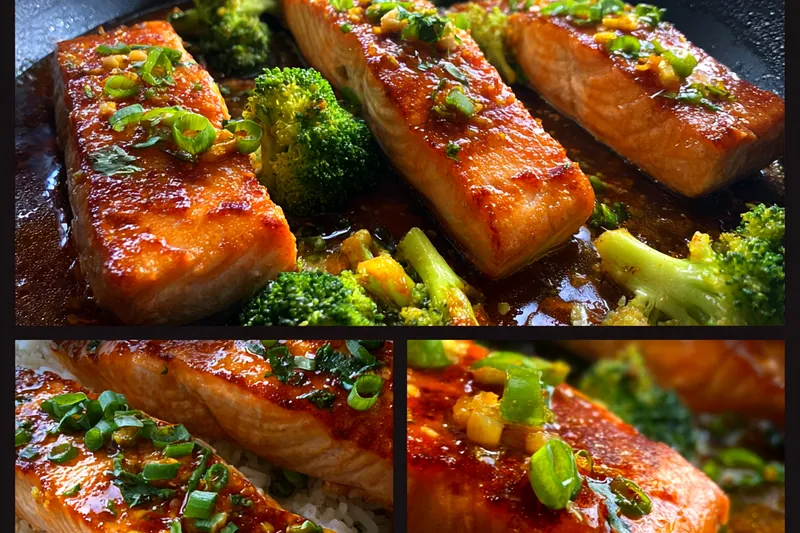
Step-by-Step Cooking Process
Preparing Glazed Salmon with Vegetables involves a straightforward process that anyone can follow. Start by marinating the salmon to infuse it with flavor, then sauté the vegetables until they're tender yet crisp. Baking the salmon allows it to develop a delicious glaze while retaining moisture.
To achieve perfect results, pay attention to cooking times and temperatures. Make sure to keep an eye on the salmon as it bakes, and don't hesitate to adjust the cooking time to ensure it's cooked just right. This simple method guarantees a delightful dinner every time.
Key Technique for Perfect Glazed Salmon with Vegetables
The most important technique in this recipe is marinating the salmon. This step not only enhances the flavor but also helps to keep the fish moist during cooking. Additionally, baking the salmon rather than frying allows for a healthier meal while ensuring that the glaze caramelizes beautifully, adding depth to every bite.
Glazed Salmon with Vegetables
📋 Ingredients
Main Ingredients
- 1 cup soy sauceLow-sodium recommended
- 1/2 cup honeyFor sweetness
- 2 tbsp rice vinegarAdds acidity
- 3 cloves garlic, mincedFlavor enhancer
- 1 inch ginger, gratedFor warmth
For the Sauce
- 2 lbs salmon filletsFresh, skin-on preferred
- 2 cups broccoli floretsFresh
- 1 cup bell peppers, slicedColorful mix
- 1 cup snap peasFresh and crisp
- 2 tbsp sesame oilFor sautéing
- 1 tsp red pepper flakesOptional heat
- 2 green onions, choppedFor garnish
- Sesame seeds for garnishOptional
Instructions
Prepare the Marinade
In a bowl, whisk together soy sauce, honey, rice vinegar, minced garlic, and grated ginger.
Marinate the Salmon
Place the salmon fillets in a dish and pour the marinade over. Let it marinate for at least 30 minutes.
Preheat the Oven
Preheat your oven to 375°F (190°C).
Prepare the Vegetables
In a pan, heat sesame oil over medium heat. Add broccoli, bell peppers, and snap peas. Sauté for about 5-7 minutes.
Bake the Salmon
Place the marinated salmon on a lined baking sheet and bake for 20-25 minutes, basting with the marinade halfway through.
Serve the Dish
Arrange the vegetables on a plate and place the baked salmon on top. Garnish with chopped green onions and sesame seeds.
Add Final Touches
Serve with lemon wedges on the side for extra flavor.
Enjoy Your Meal
Dig in and enjoy your delicious glazed salmon with vegetables!
Recipe Notes & Tips
Storage Tips
To store leftovers, place the glazed salmon and vegetables in an airtight container in the refrigerator. They will last for up to 3 days. For best results, reheat gently to avoid drying out the salmon.
Serving Suggestions
This glazed salmon pairs well with steamed jasmine rice or quinoa. For a fresh touch, serve alongside a light salad dressed with sesame vinaigrette. You can also add pickled vegetables or a citrusy coleslaw for added crunch.
Recipe Variations
Feel free to customize the vegetables based on seasonal availability or personal preference. You can also experiment with different marinades by adding ingredients like chili paste for heat or sesame oil for an extra nutty flavor.