Golden Lemon Cake
Light and moist golden lemon cake with bright citrus flavor and tender crumb. Perfect for celebrations, afternoon tea, or any time you crave a refreshing dessert.

The Secret to Perfect Lemon Cake
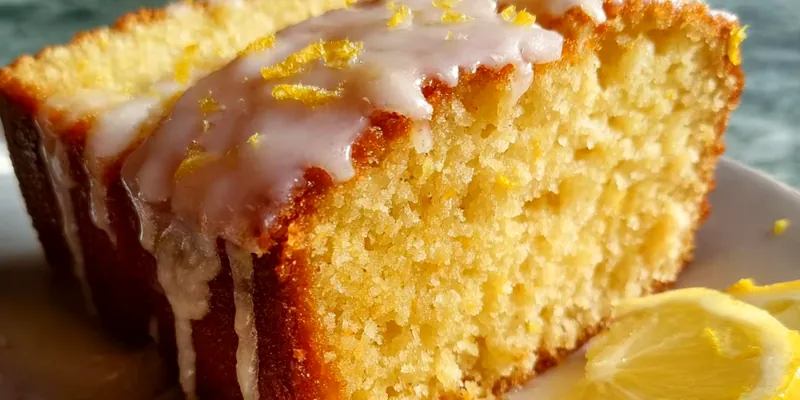
Creating a truly exceptional lemon cake requires understanding the balance between citrus brightness and rich cake texture. The key is incorporating lemon in multiple ways - zest in the batter for aromatic oils, juice for tanginess, and more in the glaze for a concentrated finish.
The cake's tender crumb comes from proper creaming of butter and sugar, which incorporates air for a light texture. Room temperature ingredients are essential - they combine more easily and create a smoother batter that bakes evenly with a beautiful golden color.
💡 Professional Tip
For maximum lemon flavor, let the sugar and lemon zest sit together for 5 minutes before creaming with butter. This allows the sugar to extract the aromatic oils from the zest.
Frequently Asked Questions
Yes, the cake layers can be baked up to 2 days ahead. Wrap tightly in plastic wrap and store at room temperature. Glaze just before serving for the best appearance and texture.
Overbaking is the most common cause. Check the cake at 30 minutes - it's done when a toothpick has just a few moist crumbs. Also ensure you're measuring flour correctly by spooning it into the cup rather than scooping.
Fresh lemon juice is highly recommended for the best flavor. Bottled juice often has a bitter aftertaste and lacks the bright, fresh citrus notes that make this cake special.
Store covered at room temperature for up to 3 days, or refrigerate for up to 5 days. Bring to room temperature before serving for the best texture and flavor.
Absolutely! This recipe makes about 24 cupcakes. Bake at 350°F for 18-22 minutes. They're perfect for parties and easier to serve than slicing a cake.
Lemon cake pairs beautifully with fresh berries, whipped cream, or vanilla ice cream. For afternoon tea, serve with Earl Grey or chamomile tea to complement the citrus notes.
Yes, use a 1:1 gluten-free baking flour blend. The texture will be slightly different but still delicious. Add an extra tablespoon of milk to compensate for the different absorption rate.
Common causes include opening the oven door too early, underbaking, or too much leavening. Ensure your baking powder is fresh and avoid opening the oven until at least 25 minutes into baking.
Recipe Troubleshooting Guide
Dense Texture
Problem: Cake is heavy and dense instead of light and fluffy
Solution: Cream butter and sugar thoroughly for 3-4 minutes, use room temperature ingredients, and don't overmix after adding flour. Fold just until combined.
Uneven Baking
Problem: Cake browns too quickly on top or edges
Solution: Reduce oven temperature to 325°F and bake longer. Use an oven thermometer to verify actual temperature, and place pans in the center of the oven.
Glaze Too Thin
Problem: Lemon glaze runs off completely instead of coating
Prevention: Add more powdered sugar gradually until desired consistency. The glaze should be pourable but thick enough to coat the back of a spoon. Let cake cool completely before glazing.
Cake Sticking to Pan
Problem: Cake won't release cleanly from the pan
Recovery: Always grease and flour pans thoroughly, and line bottoms with parchment paper. Let cool in pan for exactly 10 minutes before inverting.
Bitter Aftertaste
Problem: Cake has an unpleasant bitter flavor
Prevention: Use only the yellow zest, avoiding the white pith which is bitter. Ensure baking soda is not expired, and measure carefully as too much causes bitterness.
Flavor Balance Issues
Too Sweet: Add an extra tablespoon of lemon juice or reduce sugar by 2 tablespoons
Too Salty: Reduce salt to ¼ teaspoon and ensure using unsalted butter
Bland: Increase lemon zest to 4 lemons and add ½ teaspoon lemon extract to boost citrus flavor
Selecting Quality Ingredients
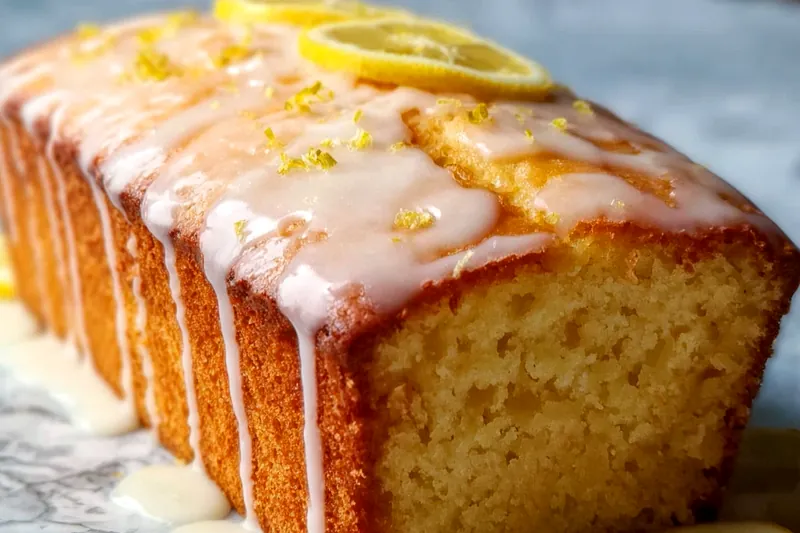
The foundation of exceptional lemon cake starts with fresh, high-quality lemons. Choose lemons that are heavy for their size with bright yellow skin - these contain the most juice. Organic lemons are ideal when using zest since you'll be incorporating the peel into your cake.
Quality butter makes a significant difference in both flavor and texture. European-style butter with higher fat content creates an even more tender crumb and richer taste. Room temperature butter is crucial for proper creaming - it should be soft enough to leave an indent when pressed but not greasy or melted.
Essential Ingredient Notes
- Fresh Lemons: Look for smooth, thin-skinned lemons which have more juice and less pith. Roll them on the counter before juicing to release more liquid.
- Quality Butter: Use unsalted butter so you can control the salt level. European-style butter with 82% fat content creates superior texture and flavor.
- Room Temperature Eggs: Eggs blend more smoothly into batter when at room temperature. Quick trick: place cold eggs in warm water for 5 minutes before using.
Mastering the Baking Technique
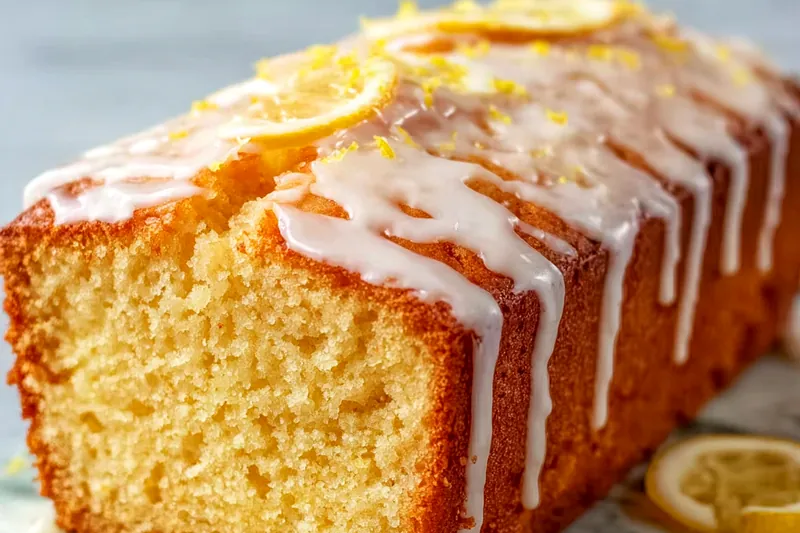
The secret to a perfectly moist lemon cake lies in proper mixing technique. Cream the butter and sugar until the mixture is pale and fluffy - this incorporates air that creates lift. When adding the flour mixture, mix only until just combined to avoid developing too much gluten, which would make the cake tough.
Baking temperature and timing are critical. An oven that's too hot will cause the cake to dome excessively and potentially crack. The cake is done when it springs back lightly when touched and a toothpick inserted in the center comes out with just a few moist crumbs - not completely clean.
The Alternating Method
Add dry ingredients in three parts, alternating with wet ingredients in two parts, always beginning and ending with dry. This technique creates a more tender, evenly mixed batter without overworking.
Golden Lemon Cake
📋 Ingredients
For the Cake
- 200g powdered sugarSifted for smooth glaze
- 60ml fresh lemon juiceFreshly squeezed for best flavor
- 1 tbsp lemon zestAdds visual appeal and extra flavor
- Fresh lemon slicesFor beautiful garnish
- Edible flowers (optional)For elegant presentation
For the Lemon Glaze
- 300g all-purpose flourSpoon and level for accuracy
- 2 tsp baking powderEnsure it's fresh for proper rise
- ½ tsp baking sodaHelps with browning and tender crumb
- 225g unsalted butter, softenedMust be room temperature
- 400g granulated sugarCreates tender, moist texture
- 4 large eggs, room temperatureEssential for proper emulsion
- Zest of 3 large lemonsWhere the aromatic oils live
- 120ml fresh lemon juiceProvides bright tang
- 240ml whole milkAdds moisture and richness
- 2 tsp vanilla extractEnhances overall flavor
Instructions
Prepare Pans and Preheat
Preheat oven to 350°F (175°C). Grease and flour two 9-inch round cake pans or one 9x13-inch pan. Line bottoms with parchment paper.
Mix Dry Ingredients
In a medium bowl, whisk together flour, baking powder, baking soda, and salt. Set aside.
Cream Butter and Sugar
In a large bowl, beat softened butter and sugar with an electric mixer on medium-high speed for 3-4 minutes until light and fluffy. Add eggs one at a time, beating well after each addition. Mix in lemon zest.
Combine Wet and Dry
In a measuring cup, combine milk, lemon juice, and vanilla. Add flour mixture to butter mixture in three additions, alternating with milk mixture, beginning and ending with flour. Mix until just combined.
Bake and Glaze
Divide batter between prepared pans. Bake for 30-35 minutes until a toothpick inserted in center comes out clean. Cool in pans for 10 minutes, then turn out onto wire racks. While cakes cool, whisk together powdered sugar, lemon juice, and zest. Drizzle glaze over cooled cakes and garnish with lemon slices.
Recipe Notes & Tips
Storage
Store covered at room temperature for up to 3 days or refrigerate for up to 5 days. The glaze may soften slightly when refrigerated but the flavor remains excellent.
Serving Suggestions
Serve with fresh berries, whipped cream, or a dusting of powdered sugar. This cake is perfect for afternoon tea, celebrations, or as a light dessert after a heavy meal.
Variations
Try adding poppy seeds for a classic lemon-poppy seed cake, or fold in fresh blueberries for a fruity twist. You can also make a cream cheese frosting instead of glaze for a richer finish.