Irresistible Maple Dijon Pork Tenderloin with Caramelized Glaze
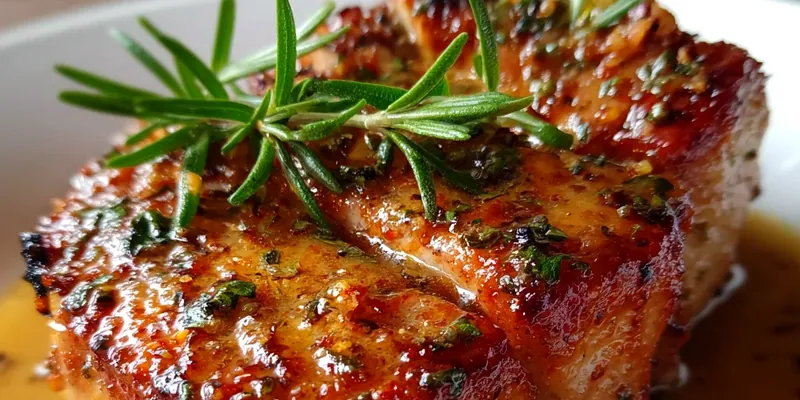
This maple Dijon pork tenderloin delivers the perfect balance of sweet and tangy flavors in just 30 minutes. The caramelized glaze creates a beautiful golden crust while keeping the meat incredibly tender and juicy inside.

Why This Maple Dijon Pork Recipe Works
The magic of this recipe lies in the perfect balance of flavors and the simplicity of technique. Pork tenderloin is naturally lean and tender, making it ideal for quick cooking methods. The maple syrup provides natural sweetness that caramelizes beautifully under high heat, while the Dijon mustard adds a sophisticated tang that cuts through the richness. The addition of apple cider vinegar brightens the entire glaze and helps tenderize the meat.
Searing the pork first creates a golden crust that locks in juices, while the high-heat roasting method ensures the interior stays perfectly moist. The two-stage glazing technique - once before roasting and once after - builds layers of flavor and creates that irresistible caramelized coating. This method guarantees restaurant-quality results every time, with minimal effort and maximum flavor impact.
💡 Professional Tip
Always let your pork rest at room temperature before cooking and again after roasting. This ensures even cooking and maximum juiciness in every bite.
Frequently Asked Questions
You can prepare the glaze up to 2 days in advance and store it in the refrigerator. The pork is best cooked fresh, but you can season it up to 4 hours ahead. For meal prep, slice cooked pork and store with glaze in the refrigerator for up to 3 days.
Pure maple syrup works best for authentic flavor, but you can substitute with honey, brown sugar mixed with a little water, or agave syrup. Avoid pancake syrup as it contains artificial flavors that won't caramelize properly.
Sear the pork in a regular skillet, then transfer to a baking dish. Apply the glaze and roast as directed. You may need to add a tablespoon of water to the baking dish to prevent sticking.
Dijon mustard provides the best flavor balance with its wine-based tang and smooth texture. Yellow mustard will work but may be too sharp. Whole grain mustard is an excellent alternative that adds texture and sophisticated flavor.
Use a meat thermometer to check for an internal temperature of 145°F in the thickest part. The pork should feel firm but still have some give when pressed. The glaze should be golden and caramelized, and the juices should run clear when sliced.
This pairs beautifully with roasted vegetables like Brussels sprouts or carrots, creamy mashed potatoes, wild rice pilaf, or a fresh arugula salad. The sweet-tangy glaze complements both earthy and bright flavors perfectly.
Yes! Use bone-in pork chops (1-inch thick) and adjust cooking time to 15-18 minutes total. Sear for 3-4 minutes per side, then finish in the oven. The internal temperature should still reach 145°F.
Store sliced pork and any remaining glaze in the refrigerator for up to 3 days. Reheat gently in a 300°F oven for 8-10 minutes, or microwave in 30-second intervals. Add a splash of water if needed to prevent drying.
Recipe Troubleshooting Guide
Dry Pork
Problem: The pork tenderloin turned out dry and tough despite following the recipe.
Solution: This usually happens from overcooking. Use a meat thermometer and remove at exactly 145°F. Let the pork rest at room temperature before cooking, and don't skip the resting period after cooking. Consider your oven's accuracy - it may run hot.
Glaze Won't Stick
Problem: The maple Dijon glaze slides off the pork instead of coating it properly.
Solution: Make sure the pork is completely dry before applying the glaze. Pat with paper towels after searing. If the glaze is too thin, simmer it in a small pan for 2-3 minutes to reduce and thicken before applying.
Burnt Glaze
Problem: The glaze is burning and turning black in the oven.
Prevention: Reduce oven temperature to 400°F and tent with foil if browning too quickly. Natural sugars in maple syrup can burn at high heat. Apply the first glaze more lightly, and save most for the final application.
Uneven Cooking
Problem: One end of the tenderloin is overcooked while the other end is underdone.
Recovery: Tuck the thin tail end under itself and secure with toothpicks to create uniform thickness. If you have two tenderloins of different sizes, start the larger one 3-4 minutes earlier, or cut them to similar lengths.
Lack of Sear
Problem: The pork won't develop a good golden-brown crust when searing.
Prevention: Ensure the pork is completely dry and the pan is hot before adding the meat. Don't move the pork too soon - let it sear for 2-3 full minutes per side. Use a stainless steel or cast iron pan, not non-stick, for better browning.
Flavor Balance
Too Sweet: Add an extra tablespoon of Dijon mustard and a squeeze of fresh lemon juice to cut the sweetness.
Too Salty: Stir in an extra tablespoon of maple syrup and serve with a squeeze of fresh lemon or a side of fruit.
Bland: Add more Dijon mustard, a pinch of garlic powder, and finish with fresh herbs like thyme or rosemary.
Choosing the Best Ingredients for Perfect Results
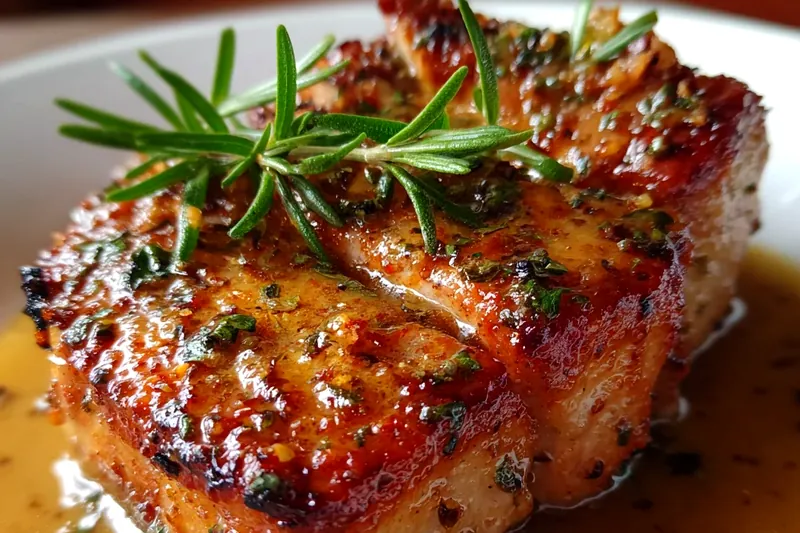
The quality of your ingredients directly impacts the final dish, so choose wisely. Look for pork tenderloins that are pale pink with minimal marbling and no dark spots. They should feel firm to the touch and have little to no liquid in the package. Avoid pre-marinated tenderloins as they can interfere with the glaze's ability to adhere and develop proper caramelization.
Pure maple syrup is essential for authentic flavor and proper caramelization - avoid imitation syrups that contain corn syrup and artificial flavors. Grade A Dark Robust maple syrup provides the deepest flavor, while Grade A Golden works well for a milder taste. For Dijon mustard, choose a quality brand with wine and vinegar as primary ingredients rather than those with excessive additives or preservatives.
Essential Ingredient Notes
- Pork Tenderloin: Choose tenderloins that are similar in size for even cooking. Remove the silverskin (tough membrane) for better texture and glaze adhesion.
- Pure Maple Syrup: Grade A Dark Robust provides the richest flavor and best caramelization. Store opened syrup in the refrigerator for up to one year.
- Dijon Mustard: Look for smooth Dijon without seeds for the best glaze consistency. French brands often provide superior flavor complexity.
Mastering the Sear-and-Roast Technique
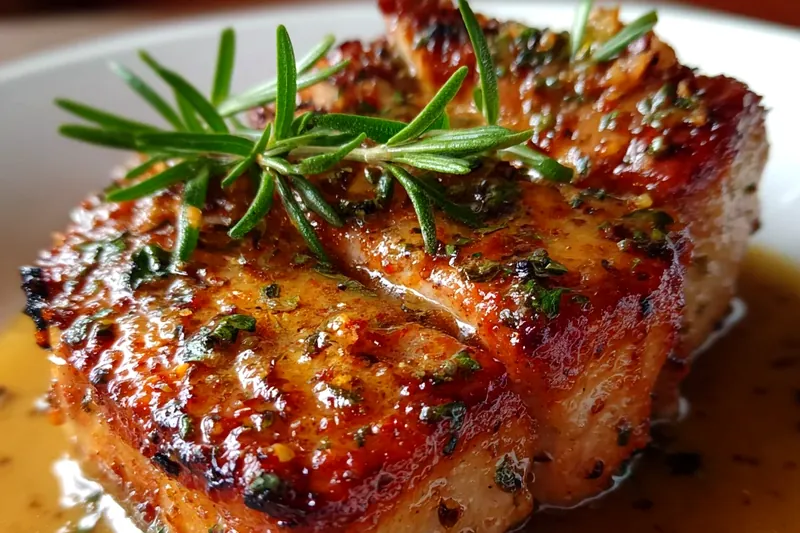
The sear-and-roast method is crucial for achieving the perfect texture and flavor in this recipe. Start with a hot pan and properly dried meat to create a beautiful golden crust that seals in juices. The high heat creates the Maillard reaction, developing complex flavors and appealing color. Don't rush this step - proper searing takes patience but rewards you with superior results.
The transition from stovetop to oven allows for gentle, even cooking while the glaze caramelizes. The two-stage glazing technique builds layers of flavor - the first application during roasting creates a base layer, while the final glaze after cooking adds fresh brightness and gorgeous shine. This method ensures the glaze doesn't burn while maximizing flavor development.
Two-Stage Glazing Method
Apply half the glaze before roasting to build flavor foundation, then brush with remaining glaze immediately after cooking for fresh flavor and beautiful presentation. This prevents burning while maximizing taste and visual appeal.
Irresistible Maple Dijon Pork Tenderloin with Caramelized Glaze
📋 Ingredients
For the Glaze
- 1/3 cup pure maple syrupGrade A Dark Robust preferred for richest flavor
- 3 tablespoons Dijon mustardSmooth variety works best for even coating
- 2 cloves garlic, mincedFresh garlic provides better flavor than powder
- 1 tablespoon apple cider vinegarAdds brightness and helps tenderize the meat
- 1 teaspoon fresh thyme leavesStrip leaves from stems for best texture
For the Pork
- 2 pork tenderloins (about 1.5 pounds total)Remove silverskin for better texture
- 2 tablespoons olive oilFor searing - use regular olive oil, not extra virgin
- 1/2 teaspoon saltKosher salt works best for even seasoning
- 1/4 teaspoon black pepperFreshly ground for best flavor
- 1/4 teaspoon paprikaAdds color and subtle smokiness
Instructions
Step 1: Prepare the Pork
Preheat oven to 425°F. Pat pork tenderloins dry with paper towels and season all sides with salt, pepper, and paprika. Let rest at room temperature for 10 minutes to ensure even cooking.
Step 2: Make the Glaze
In a small bowl, whisk together maple syrup, Dijon mustard, minced garlic, apple cider vinegar, and fresh thyme leaves until completely smooth and well combined.
Step 3: Sear the Pork
Heat olive oil in an oven-safe skillet over medium-high heat. When hot, sear pork tenderloins on all sides until golden brown, about 2-3 minutes per side. Don't move them too soon - let each side develop a proper crust.
Step 4: Apply First Glaze
Remove skillet from heat and brush half of the maple-Dijon glaze over the seared pork tenderloins, coating all sides. Reserve the remaining glaze for later use.
Step 5: Roast in Oven
Transfer the skillet to preheated oven and roast for 12-15 minutes, or until internal temperature reaches 145°F when measured with a meat thermometer in the thickest part.
Step 6: Final Glaze and Rest
Remove from oven and immediately brush with the remaining glaze while the pork is still hot. Let rest for 5 minutes to allow juices to redistribute before slicing.
Step 7: Slice and Serve
Using a sharp knife, slice the pork into 1/2-inch thick medallions. Arrange on serving platter and drizzle with any accumulated pan juices. Serve immediately while hot.
Recipe Notes & Tips
Storage
Store leftover pork in the refrigerator for up to 3 days. Slice before storing and keep any remaining glaze separate. Reheat gently in a 300°F oven or microwave in short intervals to prevent drying out.
Serving Suggestions
This pork pairs beautifully with roasted root vegetables, wild rice pilaf, mashed sweet potatoes, or a crisp apple and arugula salad. The sweet-tangy glaze complements both earthy and bright flavors perfectly.
Variations
Try adding fresh rosemary instead of thyme, or substitute honey for half the maple syrup. For a spicier version, add a pinch of cayenne pepper or use spicy brown mustard instead of Dijon.