Italian Pot Roast (Stracotto) - Tender Slow-Braised Beef in Red Wine Sauce
This Italian Pot Roast, known as Stracotto, is the ultimate comfort food that transforms an affordable cut of beef into something truly spectacular. The secret lies in the slow braising process, where the meat becomes so tender it practically falls apart at the touch of a fork. Rich red wine, aromatic vegetables, and tomatoes create a sauce so flavorful you'll want to soak up every last drop with crusty bread.

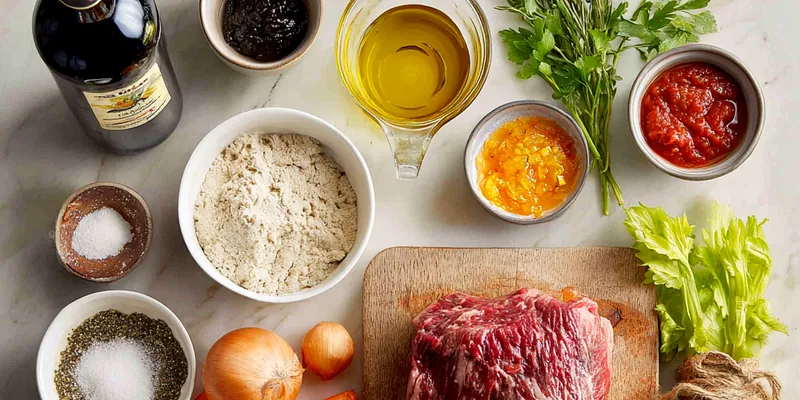
What Makes Stracotto Different from Regular Pot Roast
While American pot roast is delicious, Italian stracotto takes the concept to another level entirely. The key difference lies in the braising liquid and aromatics. Instead of using beef broth alone, stracotto features a generous amount of red wine – typically Chianti or Sangiovese – which adds incredible depth and a subtle acidity that balances the richness of the beef. The addition of tomatoes, both crushed and paste, creates a sauce that's more complex than traditional gravy, with layers of flavor that develop over the long cooking time.
Another crucial distinction is the cooking time and temperature. Stracotto is braised low and slow for at least 2.5 to 3 hours, sometimes even longer. This extended cooking period allows the tough connective tissues in chuck roast to completely break down into gelatin, creating that signature fall-apart texture. The name 'stracotto' literally means 'overcooked,' but in this case, it's absolutely intentional. The longer braise also allows the flavors to meld and concentrate, resulting in a sauce that's silky, rich, and deeply savory. Many Italian cooks believe that stracotto actually tastes better the next day, after the flavors have had time to marry overnight in the refrigerator.
💡 Professional Tip
Don't skip the searing step! Creating a deep, caramelized crust on the meat before braising adds incredible flavor to the final dish through the Maillard reaction. Make sure your oil is hot enough (it should shimmer) and resist the urge to move the meat around – let it develop that gorgeous brown crust for 4-5 minutes per side.
Frequently Asked Questions
Absolutely! Stracotto is actually one of those magical dishes that tastes even better when made ahead. Prepare the entire recipe up to 2 days in advance, let it cool completely, then store it in an airtight container in the refrigerator. The flavors will deepen and meld beautifully overnight. When ready to serve, gently reheat on the stovetop over low heat, adding a splash of beef broth or water if the sauce has thickened too much. You can also freeze stracotto for up to 3 months – just thaw in the refrigerator overnight before reheating.
Chuck roast is ideal because it has the perfect ratio of fat and connective tissue that breaks down during the long braise, but you can also use beef brisket or bottom round roast. Avoid lean cuts like sirloin or tenderloin, as they'll become dry and tough with extended cooking. Short ribs also work wonderfully for this recipe, though you'll need to adjust the cooking time slightly (they may be done in 2-2.5 hours). Whatever cut you choose, look for good marbling and don't trim away all the fat – it adds flavor and keeps the meat moist.
Yes! For a slow cooker, sear the meat in a skillet first (don't skip this step), then transfer everything to your slow cooker and cook on low for 7-8 hours or high for 4-5 hours. For an Instant Pot, sear the meat using the sauté function, add the remaining ingredients, then pressure cook on high for 60-75 minutes with natural release. The Dutch oven method gives you the most control and the best crust on the meat, but both appliances will produce delicious results.
Use a dry red wine that you would actually enjoy drinking – a good rule is if you wouldn't drink it, don't cook with it. Italian varieties like Chianti, Sangiovese, or Barbera are traditional and work beautifully, but you can also use Cabernet Sauvignon, Merlot, or Pinot Noir. Avoid sweet wines or 'cooking wine' from the grocery store, which often contains added salt and won't give you the depth of flavor you want. A mid-range wine ($10-15 bottle) is perfect – you don't need to splurge on expensive wine for cooking.
The pot roast is done when it's fork-tender and easily shreds apart with minimal pressure. After about 2.5 hours, test it by inserting a fork into the thickest part – if it slides in easily and the meat starts to fall apart, it's ready. If you meet resistance, continue cooking and check every 15-20 minutes. The internal temperature should reach 190-205°F, which is much higher than a regular roast because you want that connective tissue completely broken down. The sauce should also be thick enough to coat the back of a spoon.
Traditional Italian sides include creamy polenta, which soaks up the delicious sauce beautifully, or mashed potatoes for a more familiar comfort food pairing. Fresh egg pasta like pappardelle or fettuccine is another excellent choice – the wide noodles catch all that rich sauce. For vegetables, consider roasted Brussels sprouts, sautéed spinach with garlic, or a simple arugula salad with lemon vinaigrette to cut through the richness. Don't forget crusty Italian bread for soaking up every drop of sauce!
Definitely! While the classic recipe uses carrots, celery, and onions (the Italian soffritto base), you can add mushrooms, parsnips, or potatoes during the last hour of cooking. Pearl onions are a lovely addition for a more elegant presentation. Just be aware that adding too many vegetables can dilute the sauce, so if you're adding more than the recipe calls for, you may want to reduce the amount of liquid slightly or extend the cooking time to allow for more reduction.
Store leftover stracotto in an airtight container in the refrigerator for up to 4 days. Make sure the meat is completely submerged in the sauce to prevent it from drying out. To reheat, place in a covered pot over low heat, stirring occasionally and adding a splash of broth if needed. You can also reheat individual portions in the microwave at 50% power, stopping to stir every minute. For freezing, portion into freezer-safe containers or bags, pressing out excess air, and freeze for up to 3 months. Thaw overnight in the refrigerator before reheating.
Recipe Troubleshooting Guide
Meat is Tough After Cooking
Problem: The pot roast hasn't reached the proper level of tenderness even after the recommended cooking time.
Solution: The meat simply needs more time. Continue braising, checking every 15-20 minutes until fork-tender. Some roasts, depending on the specific cut and age of the meat, can take up to 4 hours. Make sure your heat is low enough that the liquid barely simmers – aggressive boiling will toughen the meat. If the sauce is getting too thick, add a little beef broth or water and continue cooking. Remember, you can't overcook stracotto!
Sauce is Too Thin
Problem: After braising, the sauce is watery and doesn't coat the meat properly.
Solution: Remove the roast and vegetables from the pot and set aside covered with foil. Increase heat to medium-high and simmer the sauce uncovered for 10-15 minutes, stirring occasionally, until it reduces and thickens to your desired consistency. You can also make a slurry by mixing 2 tablespoons cornstarch with 2 tablespoons cold water, then whisk it into the simmering sauce. Another option is to mash some of the soft vegetables directly into the sauce to naturally thicken it.
Sauce is Too Thick
Problem: The braising liquid has reduced too much and the sauce is more like a paste.
Prevention: Simply thin the sauce with beef broth, red wine, or even water, adding 1/4 cup at a time until you reach the desired consistency. Bring it back to a simmer and taste – you may need to adjust the seasoning after adding liquid. In the future, check on the pot roast every 45 minutes during braising and add liquid if it's reducing too quickly. You can also braise with the lid slightly ajar to prevent excessive evaporation.
Meat is Dry or Stringy
Problem: The pot roast is cooked through but has a dry, stringy texture instead of being moist and tender.
Recovery: This usually happens with lean cuts of meat or when the temperature is too high. If you've already cooked it, try slicing or shredding the meat and letting it sit in the sauce for 15-20 minutes to reabsorb moisture. For next time, make sure you're using a well-marbled cut like chuck roast, and keep the heat at a gentle simmer rather than a rolling boil. The liquid should barely bubble. Also ensure the meat stays mostly submerged in liquid throughout cooking.
Wine Flavor is Too Strong
Problem: The finished dish has an overpowering wine or acidic taste that dominates the other flavors.
Prevention: The wine likely didn't reduce enough before adding the other liquids. To fix it now, add 1-2 teaspoons of sugar or honey to balance the acidity, and continue simmering uncovered for another 10-15 minutes to allow more alcohol to cook off. You can also add a splash of cream or a tablespoon of butter to mellow the flavor. For future batches, make sure to simmer the wine for a full 3-4 minutes after deglazing, until it's reduced by half and the sharp alcohol smell has dissipated.
Flavor Balance Issues
Too Sweet: If the sauce tastes too sweet from the tomatoes and wine reduction, add a tablespoon of red wine vinegar or a squeeze of fresh lemon juice to brighten the flavors and add acidity. You can also stir in some tomato paste for a more savory depth.
Too Salty: If the sauce is too salty, add peeled, quartered potatoes to the pot and simmer for 15-20 minutes (they'll absorb salt), then remove them. You can also dilute with unsalted beef broth or water, then add a pinch of sugar to rebalance. Always taste and adjust seasoning at the end rather than at the beginning.
Bland: If the dish lacks flavor, it likely needs more salt (add gradually and taste as you go) and time for the flavors to develop. A splash of red wine vinegar, a dash of Worcestershire sauce, or freshly cracked black pepper can wake up the flavors. Make sure you're using enough aromatics – don't skimp on the garlic, herbs, and tomato paste. A final garnish of fresh parsley and a drizzle of quality olive oil also adds brightness.
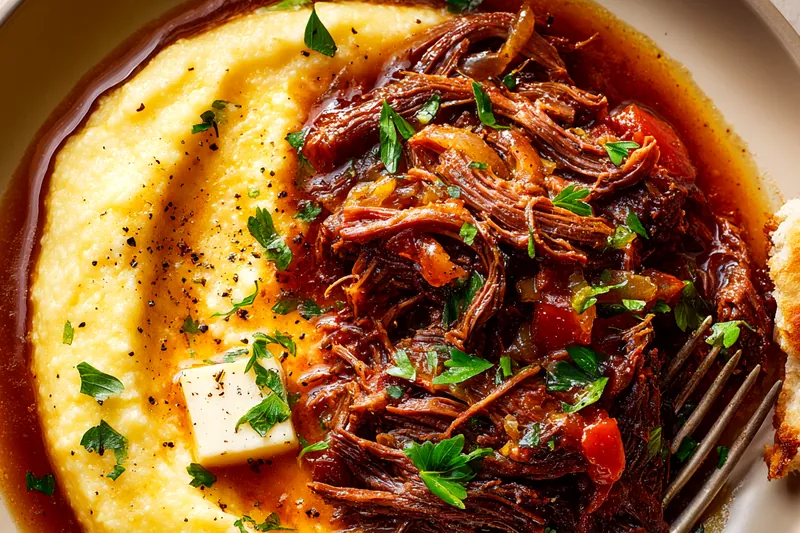
Choosing the Right Ingredients for Authentic Stracotto
The quality of your ingredients will directly impact the final dish, so it's worth being thoughtful about your selections. For the beef, look for a chuck roast with good marbling throughout – those white streaks of fat are what will break down during braising and create that melt-in-your-mouth texture. Ask your butcher for a roast that's at least 3 inches thick; thinner cuts can cook unevenly. If possible, choose grass-fed beef for superior flavor, though conventional beef works perfectly well too. Don't trim away all the external fat – leave about 1/4 inch on the roast as it will self-baste during cooking.
When it comes to the braising liquid, the wine you choose matters more than you might think. Opt for a dry Italian red wine that complements the beef – Chianti is traditional and readily available, but Barbera, Sangiovese, or even a Super Tuscan blend will work beautifully. The wine should have good acidity to help break down the meat fibers and balance the richness of the dish. For tomatoes, San Marzano or other Italian imported crushed tomatoes have less acidity and more natural sweetness than domestic varieties, resulting in a more balanced sauce. Use high-quality extra virgin olive oil for searing – its flavor will permeate the dish. Fresh herbs are always preferable, but dried Italian herbs work well in braises since the long cooking time allows their flavors to fully bloom.
Essential Ingredient Notes
- Chuck Roast Selection: Choose a chuck roast that's well-marbled with fat running through the meat, not just around the edges. The roast should feel firm and cold to the touch, with a deep red color. Ask your butcher to cut it in one thick piece (3-4 pounds) rather than multiple smaller pieces – a single large roast will stay moister and develop better flavor. If the roast comes tied with butcher's twine, leave it on during cooking to help it hold its shape, then remove before shredding.
- Red Wine Choice: Select a dry red wine with good body and moderate tannins – something you'd happily drink with dinner. Chianti is traditional and works perfectly, but don't feel limited to Italian wines. Avoid very tannic wines like young Cabernet Sauvignon or sweet wines like Port. The wine should be at room temperature when you add it to the hot pot to prevent thermal shock. Buy a bottle rather than 'cooking wine' from the grocery store, which often contains added salt and inferior quality that will negatively affect your sauce.
- Tomato Products: Use high-quality canned crushed tomatoes – San Marzano DOP tomatoes are ideal if you can find them, as they're naturally sweet with low acidity. Check the ingredient list: it should just say tomatoes, not tomatoes, citric acid, and other additives. For tomato paste, look for tubes or double-concentrated paste, which have richer flavor than standard cans. If your crushed tomatoes seem particularly acidic when you taste them, add a pinch of sugar to the sauce to balance it out.
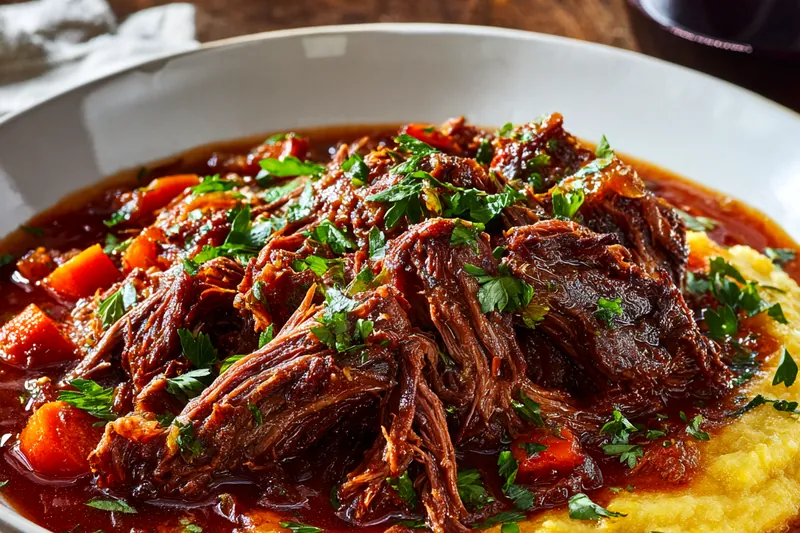
Mastering the Braising Technique
The key to perfect stracotto lies in understanding the braising process and exercising patience. Braising is a combination cooking method that uses both dry heat (the initial searing) and moist heat (the long, slow simmering in liquid). The searing step is crucial – it creates a flavorful crust through the Maillard reaction, browning the proteins and sugars on the meat's surface. This deeply caramelized exterior adds complexity to the sauce as it cooks. Make sure your Dutch oven is properly preheated and the oil is shimmering hot before adding the meat. Don't move the roast around once it hits the pan; let it develop a proper crust for 4-5 minutes per side before turning.
Once the meat is nestled into the braising liquid, the magic happens low and slow. The ideal temperature for braising is between 275-300°F if you're in the oven, or a bare simmer on the stovetop where you see just a few bubbles breaking the surface every few seconds. This gentle heat allows the collagen in the connective tissue to slowly convert to gelatin, which gives the sauce body and makes the meat incredibly tender. Turning the roast every 45 minutes ensures even cooking and allows all sides to absorb flavor from the sauce. Resist the temptation to lift the lid frequently – every time you do, you lose heat and steam, extending the cooking time. The finished dish should have meat so tender it barely holds together, surrounded by a rich, glossy sauce that coats a spoon.
The Perfect Braise Temperature
Maintaining the correct temperature is the most critical factor in successful braising. The liquid should be at a gentle simmer – you should see just a few bubbles breaking the surface every few seconds, not a rolling boil. If cooking on the stovetop, use your lowest heat setting and monitor closely for the first 30 minutes to dial in the perfect temperature. If the liquid is boiling vigorously, the meat will toughen and become stringy instead of tender. You can also transfer the covered Dutch oven to a 300°F oven for more even, hands-off heat. Use a meat thermometer to check the meat after 2.5 hours – it should register 190-205°F when perfectly tender.
Italian Pot Roast (Stracotto) - Tender Slow-Braised Beef in Red Wine Sauce
📋 Ingredients
For the Meat
- 1 1/2 cups dry red wine (Chianti or Sangiovese)Use a wine you would drink - quality matters here
- 1 (28-ounce) can crushed tomatoesSan Marzano tomatoes are ideal for authentic flavor
- 2 tablespoons tomato pasteAdds concentrated umami depth to the sauce
- 1/2 cup beef brothLow-sodium preferred so you can control saltiness
- 2 bay leavesRemove before serving - essential for depth
- 2 teaspoons dried oreganoItalian oregano has the best flavor for this dish
- 1 teaspoon dried thymeComplements the beef beautifully
For the Sauce
- 3-4 pound beef chuck roastLook for good marbling throughout - this is key to tenderness
- 1/4 cup all-purpose flourFor dredging - helps create a beautiful crust
- 2 teaspoons kosher saltPlus more for seasoning the sauce at the end
- 1 teaspoon black pepperFreshly ground gives the best flavor
- 3 tablespoons olive oilExtra virgin for the best flavor foundation
- 1 large yellow onion, dicedAbout 1 1/2 cups - the sweetness balances the wine
- 3 large carrots, cut into 2-inch piecesPeel and cut into uniform chunks for even cooking
- 3 celery stalks, cut into 2-inch piecesPart of the traditional Italian soffritto base
- 6 garlic cloves, mincedFresh garlic is essential - don't substitute jarred
- Fresh Italian parsley for garnishAdds brightness and color to the finished dish
Instructions
Season and Sear the Beef
Pat the chuck roast completely dry with paper towels - this is crucial for getting a good sear. In a shallow dish, mix together the flour, salt, and black pepper. Dredge the roast on all sides, pressing gently so the flour mixture adheres well and shaking off any excess. Heat the olive oil in a large Dutch oven over medium-high heat until it shimmers and just begins to smoke. Carefully place the roast in the hot oil and sear without moving for 4-5 minutes per side, until each surface develops a deep, golden-brown crust. Use tongs to turn the roast and sear all sides, including the ends. Transfer the seared roast to a plate and set aside.
Sauté the Vegetables
In the same Dutch oven (don't clean it - those brown bits are flavor!), add the diced onions, carrot pieces, and celery. Cook over medium heat, stirring occasionally, for 5-6 minutes until the vegetables are softened and beginning to caramelize at the edges. The onions should be translucent and just starting to turn golden. Add the minced garlic and tomato paste to the center of the pot, stirring constantly for 1-2 minutes. You'll see the tomato paste darken in color and become very fragrant - this concentrates its flavor and removes any raw taste.
Deglaze and Build the Sauce
Pour in the red wine, immediately using a wooden spoon to scrape up all the delicious browned bits (fond) from the bottom and sides of the pot - this is where tremendous flavor comes from. Let the wine simmer vigorously for 3-4 minutes, until it has reduced by about half and the sharp alcohol smell has mellowed. You should be able to draw a line through the liquid with your spoon that briefly holds its shape. Add the crushed tomatoes, beef broth, bay leaves, dried oregano, and thyme. Stir everything together until well combined and bring to a gentle simmer.
Braise the Roast Low and Slow
Return the seared roast to the pot, nestling it down into the sauce and vegetables. Spoon some of the sauce over the top of the meat to keep it moist. The roast should be about two-thirds submerged in liquid. Bring everything to a very gentle simmer - you should see just a few bubbles breaking the surface every few seconds, not a rolling boil. Cover the pot with a tight-fitting lid and reduce the heat to low. Braise for 2.5-3 hours, carefully turning the roast over every 45 minutes to ensure even cooking. The meat is done when it's completely fork-tender and easily shreds apart with minimal pressure. If it's still tough, continue cooking and check every 15-20 minutes.
Finish and Serve
Carefully remove the roast from the pot using two large forks or tongs and transfer to a cutting board. Let it rest for 10 minutes. Meanwhile, discard the bay leaves from the sauce. Use two forks to shred the meat into large, rustic chunks - it should pull apart effortlessly. Taste the sauce and adjust the seasoning with additional salt and freshly ground black pepper as needed. Return the shredded meat to the pot and gently stir it into the sauce, letting it rest for a few minutes to absorb the flavors. Serve generous portions over creamy polenta, mashed potatoes, or egg pasta. Garnish with freshly chopped Italian parsley and a drizzle of good quality olive oil. Don't forget crusty bread for soaking up the incredible sauce!
Recipe Notes & Tips
Storage
Store leftover stracotto in an airtight container in the refrigerator for up to 4 days. Make sure the meat is completely covered by sauce to prevent drying out. Reheat gently on the stovetop over low heat, adding a splash of broth if needed. For longer storage, freeze in portions for up to 3 months. Thaw overnight in the refrigerator before reheating. The flavors actually improve after a day or two in the fridge!
Serving Suggestions
Traditional accompaniments include creamy polenta, which soaks up the sauce beautifully, or buttery mashed potatoes. Fresh egg pasta like pappardelle works wonderfully. For a lighter option, serve over cauliflower mash. Pair with roasted vegetables, garlic bread, and a glass of the same red wine used in cooking. A simple arugula salad with lemon dressing provides a perfect bright contrast to the rich meat.
Variations
Make it heartier by adding quartered potatoes or mushrooms during the last hour of cooking. For a Tuscan twist, add 2 tablespoons of balsamic vinegar with the wine. Short ribs can substitute for chuck roast (reduce cooking time to 2-2.5 hours). Add a parmesan rind to the braising liquid for extra depth. For a spicier version, include 1/2 teaspoon red pepper flakes with the garlic and tomato paste.