Italian Sausage Pasta with Roasted Vegetables
This Italian Sausage Pasta with Roasted Vegetables brings together everything you love about Italian comfort food in one satisfying dish. Perfectly browned sausage combines with tender bow-tie pasta and colorful roasted vegetables for a meal that's both nutritious and incredibly flavorful. The secret is roasting the vegetables separately to develop their natural sweetness and caramelized edges, then tossing everything together with fresh herbs and Parmesan for a restaurant-quality dinner at home.

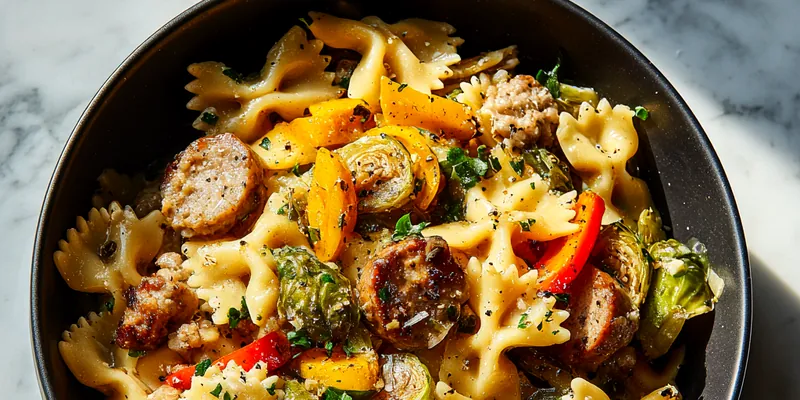
Why This Italian Sausage Pasta Works
The magic of this dish lies in the layering of cooking techniques. By roasting the vegetables separately at high heat, we develop deep caramelization and concentrated flavors that simply can't be achieved by sautéing everything together. The vegetables maintain their texture and don't become mushy or waterlogged. Meanwhile, browning the sausage in a separate pan creates a flavorful fond that becomes the base for bringing everything together.
Farfalle pasta is the perfect shape for this recipe because its bow-tie design catches pieces of sausage and vegetables in every bite. The ridges and folds create texture and help the Parmesan cheese cling to each piece. Using high-quality Italian sausage makes a noticeable difference—look for sausages with visible seasonings and a coarse texture. The pasta water is crucial here, acting as an emulsifier that brings the dish together without needing heavy cream or extra oil.
💡 Professional Tip
Always reserve pasta water before draining—the starchy water is your secret weapon for creating a silky coating that helps everything stick together. Add it gradually, one tablespoon at a time, until you achieve the perfect consistency.
Frequently Asked Questions
Yes, you can prep components ahead. Roast the vegetables and cook the sausage up to 2 days in advance, storing them separately in the refrigerator. Cook the pasta fresh when ready to serve, then combine everything in a hot skillet for 3-4 minutes. The dish is best served immediately after combining, but leftovers keep well for up to 3 days in the refrigerator.
Absolutely! Penne, rigatoni, or fusilli all work beautifully with this sauce. Choose a short pasta shape with ridges or curves that will catch the sausage and vegetables. Avoid long thin pastas like spaghetti or angel hair, as they don't hold the chunky ingredients as well. If using a larger pasta like rigatoni, you may need to add slightly more pasta water to coat everything properly.
Cut your vegetables into uniform 1-inch pieces so they cook evenly, and make sure your oven is fully preheated to 425°F before roasting. Spread vegetables in a single layer without overcrowding—use two baking sheets if necessary. Overcrowding creates steam instead of roasting, leading to soggy vegetables. Don't skip the halfway-through stir to ensure even browning on all sides.
Yes, turkey Italian sausage works well as a leaner alternative. Keep in mind that turkey sausage is leaner and can dry out more easily, so watch your cooking time carefully. You may want to add an extra tablespoon of olive oil when cooking the turkey sausage to prevent sticking and keep it moist. The flavor will be slightly milder than traditional pork sausage.
Sausage is fully cooked when it reaches an internal temperature of 160°F on a meat thermometer. Visually, the sausage should be browned on all sides with no pink remaining in the center when you cut into it. The juices should run clear, not pink. If you're unsure, it's always better to err on the side of cooking a bit longer—overcooked sausage is better than undercooked.
This pasta is hearty enough to stand alone as a complete meal since it already includes protein, vegetables, and carbs. If you want sides, a simple Caesar salad with crunchy romaine, garlic bread for soaking up any extra juices, or a light arugula salad with lemon vinaigrette pairs beautifully. For wine, try a medium-bodied red like Chianti or a crisp white like Pinot Grigio.
Definitely! This recipe is very flexible. Cherry tomatoes, eggplant, mushrooms, asparagus, or broccoli all work wonderfully. Keep the total volume of vegetables about the same (roughly 4-5 cups) and adjust roasting times as needed—denser vegetables like broccoli may need a few extra minutes, while tomatoes cook faster. Just maintain the 1-inch dice size for even cooking.
Store leftovers in an airtight container in the refrigerator for up to 3 days. The pasta will absorb liquid as it sits, so when reheating, add 2-3 tablespoons of water or chicken broth to the pan to loosen it up. Reheat in a skillet over medium heat, stirring frequently, until heated through. You can also microwave individual portions, adding a splash of water and covering loosely to prevent drying out. Reheat in 1-minute intervals, stirring between each.
Recipe Troubleshooting Guide
Dry or Clumpy Pasta
Problem: The pasta seems dry and the ingredients aren't sticking together well.
Solution: Add the reserved pasta water gradually, one tablespoon at a time, while tossing over medium heat. The starch in the pasta water acts as a natural emulsifier. If you've already drained without reserving water, you can use a bit of chicken broth or plain water with a small pat of butter to help bind everything. Adding extra Parmesan while tossing also helps create a cohesive sauce.
Sausage Not Browning Properly
Problem: The sausage is cooking through but not getting a nice brown crust.
Solution: Make sure your pan is hot before adding the sausage—medium-high heat is ideal. Don't move the sausages too frequently; let them sit for 3-4 minutes per side to develop a proper crust. If there's too much liquid releasing from the sausage, pour it off partway through cooking. Pat sausages dry before cooking if they seem wet. Using a cast iron or stainless steel skillet instead of nonstick will give you better browning.
Vegetables Coming Out Soggy
Problem: Roasted vegetables are limp and waterlogged instead of caramelized.
Prevention: Ensure your oven is fully preheated to 425°F before roasting. Toss vegetables lightly with oil—too much oil makes them steam. Spread vegetables in a single layer with space between pieces; overcrowding causes steaming. Use a large rimmed baking sheet or two separate sheets. If vegetables are still releasing too much water, try salting them lightly and letting them sit for 10 minutes before roasting, then pat dry.
Pasta Overcooked or Mushy
Problem: The pasta is too soft and falling apart.
Recovery: Cook pasta 1-2 minutes less than package directions suggest for true al dente texture. Remember that the pasta will continue cooking slightly when you toss it with the hot sausage and vegetables. If you've overcooked the pasta, there's no way to un-cook it, but you can salvage the dish by being very gentle when tossing and not cooking it further in the final skillet step. Next time, set a timer for 2 minutes before the package suggests and test for doneness.
Dish Lacks Flavor
Problem: Everything tastes bland and one-dimensional.
Prevention: Season at every step: salt the pasta water generously (it should taste like the sea), season vegetables before roasting, and taste and adjust at the end. The Parmesan adds significant saltiness and umami, so don't skimp on it. Fresh herbs make a huge difference—dried herbs can't replicate the brightness of fresh basil and parsley. Red pepper flakes add depth and warmth without making it spicy. A squeeze of fresh lemon juice at the end can brighten all the flavors.
Flavor Balance Issues
Too Sweet: If the dish tastes too sweet from the roasted vegetables, add a squeeze of fresh lemon juice and a pinch of salt to balance it. A bit more red pepper flakes can also add complexity.
Too Salty: If it's too salty (likely from the sausage and Parmesan), add more cooked pasta or vegetables to dilute. A splash of cream or a drizzle of olive oil can help mellow the saltiness. Serve with extra unsalted vegetables on the side.
Bland: If bland, it needs salt, acid, or fat. Try adding more Parmesan, a drizzle of good olive oil, fresh lemon juice, or freshly cracked black pepper. Fresh herbs are essential—add them at the end for maximum impact.
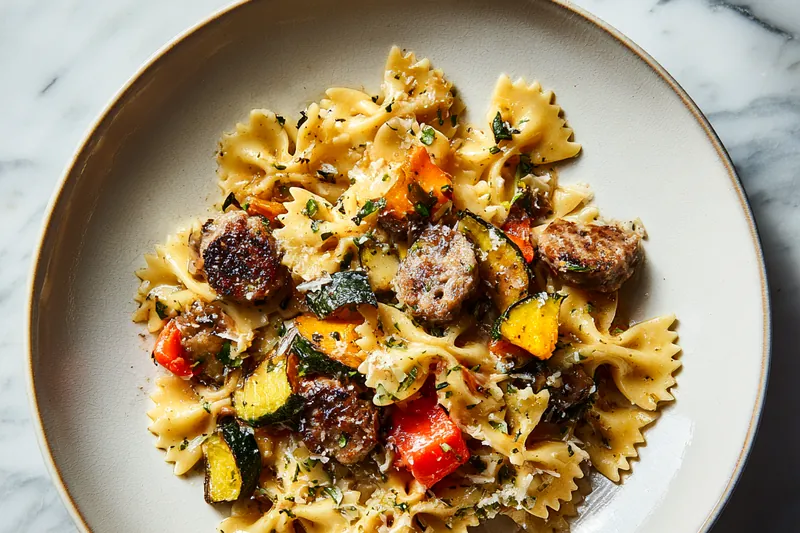
Choosing the Best Ingredients
The foundation of this dish starts with quality Italian sausage. Look for sausages from a butcher or specialty Italian market if possible—they typically have better seasoning and coarser texture than mass-produced varieties. Choose between sweet (mild) or hot (spicy) based on your preference; both work equally well. The sausage should feel firm with visible herbs and spices. Avoid sausages that feel wet or slimy, which indicates they may have fillers or too much water content.
For vegetables, select firm specimens without soft spots. Zucchini and yellow squash should feel heavy for their size with shiny, unblemished skin. The red bell pepper should be glossy and firm with no wrinkles. Smaller to medium-sized vegetables are ideal—oversized zucchini and squash can be seedy and watery. For the pasta, choose a quality brand made with 100% durum wheat semolina. Bronze-cut pasta has a rougher texture that holds sauce better than Teflon-cut varieties. Fresh herbs are essential here; dried simply can't provide the same bright, fresh flavor that makes this dish special.
Essential Ingredient Notes
- Italian Sausage: Choose sausages with visible seasonings like fennel seeds, garlic, and herbs. Good quality sausage should have at least 20% fat content for flavor and moisture. Remove casings before cooking if you prefer crumbled sausage instead of sliced rounds. Store raw sausage in the coldest part of your refrigerator and use within 2 days of purchase.
- Fresh Summer Vegetables: Select zucchini and squash that are 6-8 inches long for the best texture—larger ones can be watery. Choose bell peppers with thick walls; they'll hold up better during roasting. If vegetables are very fresh from a farmers market, you may not need to peel them. Just wash well and trim the ends. For best results, cut all vegetables to a uniform 1-inch size.
- Parmesan Cheese: Use authentic Parmigiano-Reggiano and grate it fresh for the best flavor and texture. Pre-grated Parmesan contains anti-caking agents that prevent it from melting smoothly. A wedge of good Parmesan should have a grainy texture and complex, nutty aroma. Store wrapped in parchment or wax paper in the refrigerator, not plastic, which can make it sweat. The rind can be saved and added to soups or sauces for extra flavor.
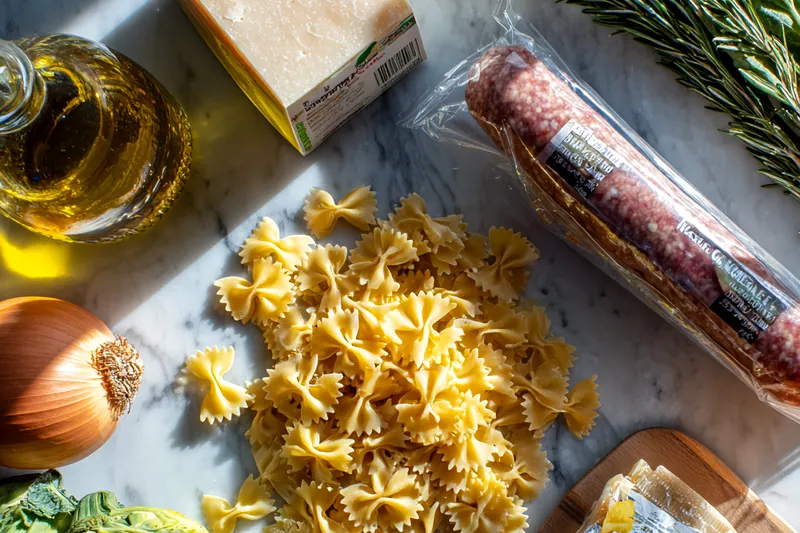
Mastering the Cooking Technique
The key to this recipe's success is understanding when to use high heat and when to use moderate heat. Roasting vegetables at 425°F creates the Maillard reaction—the chemical process that produces caramelization and complex flavors. This high, dry heat drives off moisture and concentrates the natural sugars in the vegetables. Similarly, browning the sausage over medium-high heat creates a flavorful crust and fond (those delicious brown bits stuck to the pan) that adds depth to the final dish.
The final combination step is where everything comes together, and timing is crucial. You want the pasta slightly undercooked because it will continue cooking when tossed with the hot ingredients. Adding the pasta water creates an emulsion with the fat from the sausage and the starch from the pasta, coating everything in a light, silky glaze rather than leaving it dry. The cheese should be added off the heat to prevent it from clumping or becoming grainy. Fresh herbs go in last to preserve their bright color and fresh flavor. This layered approach to building flavors is what separates a good pasta dish from a great one.
The Perfect Toss
When combining all the elements in the final step, use tongs or a large spoon to toss ingredients together with a lifting and folding motion rather than stirring in circles. This technique prevents breaking the pasta and ensures even distribution of sausage and vegetables. Add pasta water gradually while tossing—the constant motion helps emulsify the water with the fats. The dish is ready when you can lift a portion and everything clings together lightly without being wet or oily. This should take 2-3 minutes over medium heat.
Italian Sausage Pasta with Roasted Vegetables
📋 Ingredients
Vegetables & Fresh Herbs
- 3 tablespoons olive oil, dividedUse extra virgin for best flavor; divide between vegetables and sausage
- 4 cloves garlic, mincedFresh garlic only; don't use jarred or powdered
- 1/2 cup grated Parmesan cheeseFreshly grated Parmigiano-Reggiano works best
- 1 tablespoon Italian seasoningOr use equal parts dried basil, oregano, and thyme
- 1/2 teaspoon red pepper flakes (optional)Adjust to taste; adds warmth without too much heat
- 1/4 cup pasta cooking waterReserved before draining; essential for silky texture
Protein & Pasta
- 1 pound Italian sausage linksChoose sweet or spicy based on preference
- 1 pound farfalle (bow-tie) pastaBronze-cut pasta holds sauce better
- 2 medium zucchini, dicedCut into 1-inch cubes for even roasting
- 1 large red bell pepper, cut into piecesChoose thick-walled peppers for best texture
- 1 medium yellow squash, dicedComplements zucchini with similar texture
- 2 tablespoons fresh basil, choppedAdd at the end for maximum flavor
- 1 tablespoon fresh parsley, choppedFlat-leaf Italian parsley preferred
- Salt and black pepper to tasteSeason at each step for best results
Instructions
Prepare and Roast Vegetables
Preheat oven to 425°F. Toss zucchini, bell pepper, and yellow squash with 2 tablespoons olive oil, salt, and pepper on a large baking sheet. Spread in a single layer and roast for 20-25 minutes, stirring halfway through, until vegetables are tender and lightly caramelized at the edges.
Cook the Pasta
While vegetables roast, bring a large pot of salted water to boil. Cook farfalle according to package directions until al dente, typically 10-12 minutes. Reserve 1/4 cup pasta water before draining. Drain pasta and set aside.
Brown the Sausage
Heat remaining 1 tablespoon olive oil in a large skillet over medium-high heat. Add sausage links and cook for 12-15 minutes, turning occasionally, until browned on all sides and cooked through (internal temperature of 160°F). Remove from pan, let rest 5 minutes, then slice into 1/2-inch thick rounds.
Combine Everything
In the same skillet over medium heat, add minced garlic and cook for 30 seconds until fragrant. Add cooked pasta, sliced sausage, and roasted vegetables to the skillet. Sprinkle with Italian seasoning and red pepper flakes if using. Toss everything together, adding reserved pasta water as needed to create a light coating. Cook for 2-3 minutes until heated through.
Finish and Serve
Remove from heat and stir in Parmesan cheese, fresh basil, and parsley. Season with additional salt and pepper to taste. Serve immediately with extra Parmesan cheese on the side. Garnish with additional fresh herbs if desired.
Recipe Notes & Tips
Storage
Store leftovers in an airtight container in the refrigerator for up to 3 days. The pasta will absorb moisture as it sits, so add 2-3 tablespoons of water or broth when reheating. Reheat gently in a skillet over medium heat or microwave in 1-minute intervals, stirring between each. This dish is not ideal for freezing as the vegetables will become mushy upon thawing.
Serving Suggestions
This pasta is a complete meal on its own, but pairs beautifully with a Caesar salad, garlic bread, or crusty Italian bread for soaking up juices. For wine pairings, try a medium-bodied red like Chianti or Sangiovese, or a crisp white like Pinot Grigio. Top each serving with extra Parmesan and a drizzle of quality olive oil for restaurant presentation.
Variations
Make it lighter by using turkey sausage instead of pork. Add cherry tomatoes to the roasting vegetables for extra color and acidity. Substitute penne or rigatoni for the farfalle. Make it creamier by stirring in 1/4 cup heavy cream with the Parmesan. Add spinach or kale in the final toss for extra greens. For a spicier version, use hot Italian sausage and increase red pepper flakes to 1 teaspoon.