Korean Gochujang Chicken with Cucumber Rice Bowl
This Korean Gochujang Chicken delivers the perfect balance of spicy, sweet, and savory flavors in just 30 minutes. The sticky glaze coats tender chicken thighs, creating a restaurant-quality dish that's easier than takeout. Served over fluffy rice with cool cucumber slices, it's a complete meal that'll have everyone asking for seconds.

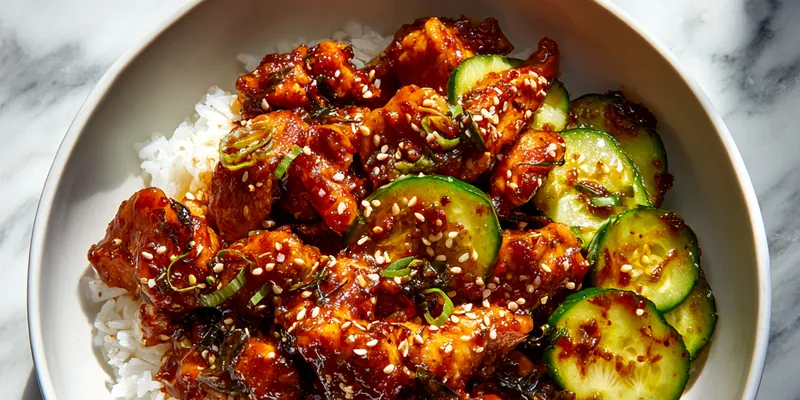
Why This Gochujang Chicken Recipe Works
Gochujang is Korea's secret weapon in the kitchen - a fermented chili paste that brings complex heat, subtle sweetness, and incredible umami depth. Unlike sriracha or other hot sauces, gochujang has a rounded, almost earthy spiciness that builds gradually rather than overwhelming your palate. When combined with honey and soy sauce, it creates a glaze that's both sophisticated and craveable. The fermentation process also adds beneficial probiotics and a depth of flavor that takes other sauces hours to develop.
The key to this recipe's success is the two-stage cooking method. First, we sear the chicken to develop a golden crust and lock in juices. Then we add the sauce and let it reduce, which concentrates the flavors and creates that signature sticky coating. This technique ensures every bite has maximum flavor while keeping the chicken tender and juicy. The cucumber provides a cool, crisp contrast that cuts through the richness, making this dish perfectly balanced rather than one-dimensional.
💡 Professional Tip
Don't crowd the pan when searing the chicken. Work in batches if needed to ensure proper browning. That caramelization is where the magic happens - it's not just color, it's flavor.
Frequently Asked Questions
Yes! Cook the chicken completely and store it in an airtight container in the refrigerator for up to 3 days. The flavors actually deepen overnight. Reheat in a skillet over medium heat with a splash of water to loosen the sauce, or microwave in 30-second intervals. The texture is best when reheated on the stovetop rather than in the microwave. Prepare fresh rice and cucumber when ready to serve for the best texture contrast.
While you can use chicken breasts, thighs are strongly recommended for this recipe. Thighs have more fat and connective tissue, which keeps them moist during high-heat cooking and helps them stay tender in the sticky sauce. If you must use breasts, pound them to even thickness, cut into smaller pieces, and reduce cooking time by 2-3 minutes to prevent drying out. You may also want to add an extra tablespoon of honey to compensate for the leaner meat.
This recipe has a medium heat level - noticeable warmth with a slow build, but not overwhelmingly spicy. Gochujang typically ranges from 1,500-10,000 Scoville units depending on the brand. The honey and rice vinegar mellow the heat considerably. To make it milder, reduce gochujang to 2 tablespoons and add an extra tablespoon of honey. For more heat, add 1-2 teaspoons of gochugaru (Korean chili flakes) or a splash of hot chili oil when serving.
Look for brands like CJ Haechandle (red tub), Mother-in-Law's, or Chung Jung One at Asian markets or well-stocked supermarkets. These are authentic Korean brands with the right balance of heat and sweetness. Check that gochujang is the first ingredient, not corn syrup. Once opened, store it in the refrigerator where it keeps for up to a year. Avoid brands labeled as 'gochujang sauce' or 'Korean BBQ sauce' as these are pre-diluted and won't give you the same depth of flavor.
The chicken is done when it reaches an internal temperature of 165°F on an instant-read thermometer. Visually, the chicken should be golden brown with no pink in the center when you cut into a piece. The sauce should be reduced to a glossy, syrupy consistency that coats the back of a spoon and clings to the chicken rather than pooling at the bottom of the pan. The entire cooking process should take about 12-15 minutes from start to finish.
Beyond the rice and cucumber included in the recipe, this pairs beautifully with steamed broccoli, bok choy, or snap peas for added vegetables. Kimchi is a traditional accompaniment that adds probiotic benefits and cuts through the richness. For a complete Korean meal, serve with pickled radish (danmuji), seasoned spinach (sigeumchi namul), or a simple cabbage slaw. Cauliflower rice works great for a low-carb option, and the sauce is delicious enough that you might want extra rice to soak it all up.
Yes! Toss the raw chicken pieces with 1 tablespoon of oil and air fry at 400°F for 10-12 minutes, shaking halfway through. Meanwhile, simmer the gochujang sauce in a small saucepan for 3-4 minutes until slightly thickened. Toss the cooked chicken with the reduced sauce in a large bowl. While you won't get quite the same caramelized crust as pan-searing, this method is hands-off and produces tender, flavorful chicken with less oil.
Store the chicken and rice separately in airtight containers in the refrigerator for up to 4 days. Keep the cucumber separate as well, as it will become soggy if stored with the warm chicken. The chicken can be frozen for up to 3 months - thaw overnight in the refrigerator before reheating. Add a tablespoon of water when reheating to restore the sauce's glossy consistency. Leftover chicken also makes incredible wraps, grain bowls, or can be chopped and added to fried rice.
Recipe Troubleshooting Guide
Sauce Too Thin
Problem: The gochujang sauce isn't thickening and remains watery even after cooking.
Solution: Increase the heat to medium-high and let the sauce simmer for an extra 2-3 minutes, stirring constantly. The sugars in the honey need to reduce and caramelize slightly. If still thin, mix 1 teaspoon of cornstarch with 1 tablespoon of cold water and stir into the sauce. Alternatively, remove the chicken and reduce the sauce separately for 3-4 minutes before returning the chicken to the pan.
Chicken Too Dry
Problem: The chicken turned out tough and dry instead of tender and juicy.
Solution: This usually happens from overcooking or using chicken breasts instead of thighs. For immediate rescue, add 2-3 tablespoons of chicken broth or water to the pan along with an extra teaspoon of honey and toss to coat. The moisture will help rehydrate the meat. For next time, use a meat thermometer and remove chicken at exactly 165°F, and consider marinating the chicken in the sauce for 30 minutes before cooking.
Burnt Garlic or Sauce
Problem: The garlic burned or the sauce scorched on the bottom of the pan.
Prevention: Burnt garlic tastes bitter and can't be fixed, so start over if this happens early. To prevent it, add the sauce immediately after the chicken is cooked rather than letting garlic sit in the hot pan. If the sauce is scorching, reduce heat to medium and stir constantly. The honey and soy sauce contain sugars that can burn quickly at high heat. Adding the sesame oil at the end helps prevent sticking.
Chicken Not Browning
Problem: The chicken is cooking through but not developing that golden-brown sear.
Recovery: Pat the chicken completely dry with paper towels before cooking - moisture prevents browning. Make sure your pan is hot before adding the chicken (a drop of water should sizzle and evaporate immediately). Don't move the chicken for the first 4-5 minutes; it needs uninterrupted contact with the hot pan to develop a crust. Work in batches if needed - overcrowding drops the pan temperature and causes steaming instead of searing.
Too Much Sauce
Problem: There's excess sauce pooling at the bottom rather than coating the chicken.
Prevention: Use a slotted spoon to remove the chicken to a plate temporarily. Increase heat to high and let the sauce reduce for 2-3 minutes until it thickens to a syrupy consistency. Return the chicken and toss to coat. The sauce should cling to the meat rather than sliding off. For future batches, you can also reduce the liquids (soy sauce and vinegar) by 1 tablespoon each if you prefer a thicker coating from the start.
Flavor Balance Issues
Too Sweet: If too sweet, add 1-2 teaspoons more rice vinegar or a squeeze of fresh lime juice to brighten and balance. A pinch of salt also helps counteract excessive sweetness.
Too Salty: If too salty, add 1-2 more tablespoons of honey and a splash of water. Serve with plain, unsalted rice to balance. For next time, use low-sodium soy sauce.
Bland: If bland, the gochujang might be old or low-quality. Boost with 1 teaspoon gochugaru, extra fresh garlic, or a dash of fish sauce for umami depth. Finish with flaky sea salt.
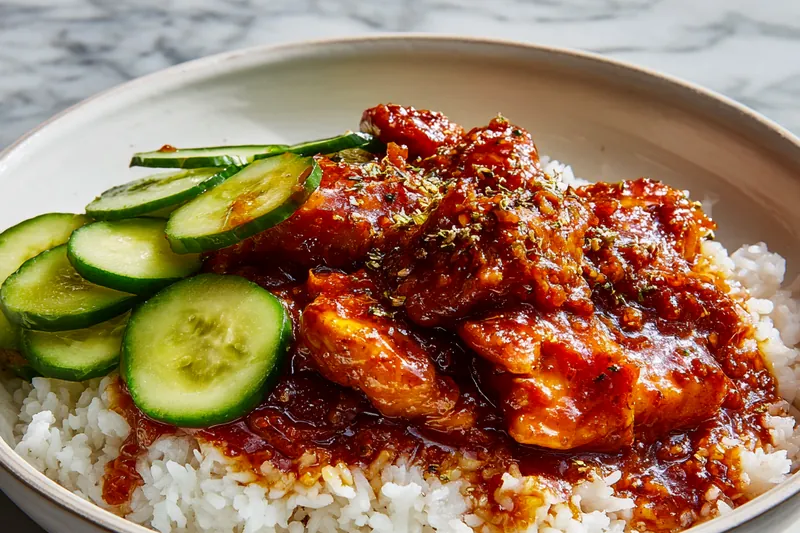
Selecting the Best Ingredients for Gochujang Chicken
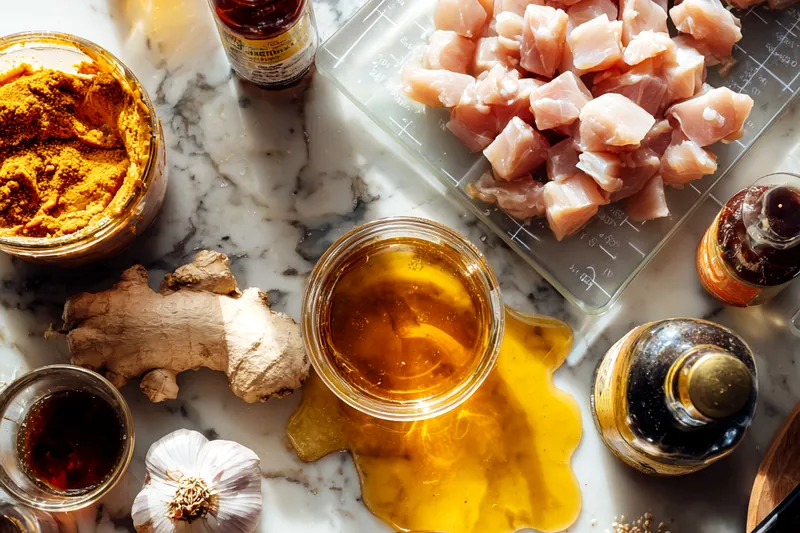
Quality ingredients make all the difference in this simple recipe. For the chicken, boneless skinless thighs are non-negotiable - they remain juicy through high-heat cooking and absorb the sauce beautifully. Look for thighs that are similar in size for even cooking, and avoid any with excessive fat or gristle that you'll need to trim away. Fresh chicken will have a slight sheen and no off odors. If you're buying family packs, portion and freeze what you don't need immediately, as chicken thighs keep for only 1-2 days in the refrigerator but up to 9 months in the freezer.
The gochujang itself is your star ingredient, so invest in authentic Korean brands from an Asian market or well-stocked grocery store. Real gochujang should list fermented ingredients and have a deep, complex flavor rather than just straight heat. Honey should be pure and preferably local if possible - avoid imitation honey syrup which won't caramelize properly. For the soy sauce, regular sodium is fine (the recipe is balanced for it), but if you're watching salt intake, low-sodium works with excellent results. Fresh garlic and ginger are essential - the pre-minced jarred versions lack the bright, aromatic punch that makes this dish sing.
Essential Ingredient Notes
- Gochujang (Korean Chili Paste): This fermented red pepper paste is savory, sweet, and spicy all at once. Find it in red plastic tubs in the Asian foods section or at Korean markets. Once opened, it lasts for months in the refrigerator. Look for a paste-like consistency, not a pourable sauce. If you can't find it, a mix of sriracha and miso paste can work in a pinch, though the flavor will be quite different.
- Chicken Thighs: Dark meat stays moist and tender even with high-heat cooking. Cut into uniform 1.5-inch pieces for even cooking. Remove any large pieces of fat or loose skin, but don't obsess over small bits - they'll render and add flavor. If they're thin, you can leave them whole; if thick, butterfly them before cutting to ensure even thickness.
- Rice Vinegar: Milder and slightly sweet compared to white or apple cider vinegar, rice vinegar provides subtle tang without overpowering the dish. Don't use seasoned rice vinegar as it contains added salt and sugar that will throw off the balance. If you must substitute, use apple cider vinegar but reduce to 2 teaspoons and add an extra teaspoon of honey.
Mastering the Gochujang Glaze Technique
The secret to restaurant-quality gochujang chicken lies in understanding when to add the sauce. Adding it too early results in burnt sugars and bitter flavors; too late and you lose that beautiful caramelized coating. The sweet spot is right after the chicken develops a golden crust but is just cooked through. At this point, the pan is hot enough to quickly reduce the sauce without overcooking the meat. When you pour the sauce over the chicken, you'll hear an immediate sizzle - that's the Maillard reaction creating additional flavor compounds. Stir constantly for the first minute to prevent sticking, then reduce to occasional stirring as the sauce thickens.
The finish is just as important as the cooking process. That final drizzle of sesame oil isn't optional - it adds a nutty richness and helps the sauce achieve its characteristic glossy sheen. The green onions and sesame seeds aren't just garnish; they add textural contrast and fresh, toasty notes that complete the flavor profile. Serve this dish immediately for the best experience - the sauce is at its peak viscosity and flavor right after cooking, coating each piece of chicken like candy. As it sits, the sauce continues to thicken and the chicken will absorb more of the glaze, which is still delicious but slightly different from that just-cooked perfection.
The Perfect Sear
Pat chicken completely dry with paper towels before cooking - this is crucial for browning. Heat your pan until a drop of water evaporates in 1-2 seconds. Add oil and immediately add chicken in a single layer with space between pieces. Resist the urge to move the chicken for 4-5 minutes. You'll know it's ready to flip when it releases easily from the pan. If it's sticking, it needs another minute. This patience creates the golden crust that adds incredible depth to the finished dish.
Korean Gochujang Chicken with Cucumber Rice Bowl
📋 Ingredients
For the Sauce
- 3 tablespoons gochujang (Korean chili paste)Find in Asian food section - look for red plastic tubs. Fermented for complex flavor.
- 2 tablespoons soy sauceRegular or low-sodium both work. Adds savory umami depth.
- 2 tablespoons honeyPure honey preferred. Balances heat and helps sauce caramelize.
- 1 tablespoon rice vinegarNot seasoned rice vinegar. Adds brightness and cuts richness.
- 3 cloves garlic, mincedFresh only - jarred lacks aromatic punch. About 1 tablespoon minced.
- 1 tablespoon fresh ginger, gratedMicroplane works best. Adds warm, spicy notes that complement gochujang.
For the Chicken & Serving
- 1.5 lbs boneless skinless chicken thighsCut into 1.5-inch pieces. Thighs stay juicier than breasts.
- 2 tablespoons vegetable oilFor high-heat cooking. Canola or avocado oil also work well.
- 1 tablespoon sesame oilToasted sesame oil for finishing. Adds nutty richness and gloss.
- 2 green onions, slicedBoth white and green parts. Adds fresh, mild onion flavor.
- 1 tablespoon sesame seedsWhite or mixed. Can toast them first for extra nuttiness.
- 3 cups cooked white riceJasmine or short-grain work best. Should be warm for serving.
- 2 Persian cucumbers, thinly slicedEnglish cucumber also works. Provides cool, crisp contrast.
- Dried oregano for garnish (optional)Not traditional but adds an herbaceous note. Use sparingly.
Instructions
Prepare the Gochujang Sauce
In a medium bowl, whisk together gochujang, soy sauce, honey, rice vinegar, minced garlic, and grated ginger until smooth and well combined. Make sure there are no lumps of gochujang remaining. Set the sauce aside while you cook the chicken. This allows the flavors to meld together.
Sear the Chicken
Pat chicken pieces completely dry with paper towels. Heat vegetable oil in a large skillet or wok over medium-high heat until shimmering. Add chicken pieces in a single layer, making sure not to overcrowd the pan (work in batches if needed). Cook for 4-5 minutes without stirring or moving to develop a golden-brown crust. Flip each piece and cook another 3-4 minutes until the chicken is cooked through and reaches an internal temperature of 165°F. The chicken should be golden on both sides.
Glaze the Chicken
Pour the prepared gochujang sauce over the cooked chicken and immediately begin tossing to coat all pieces evenly. The sauce will sizzle and bubble. Continue cooking for 2-3 minutes, stirring frequently, until the sauce reduces and thickens to a glossy, syrupy consistency that clings to the chicken. The sauce should coat the back of a spoon. If it seems too thin, cook for another minute.
Finish and Serve
Remove the pan from heat and drizzle the sesame oil over the glazed chicken, tossing to coat. Add most of the sliced green onions and half of the sesame seeds, reserving some for garnish. Serve immediately over warm rice in individual bowls. Arrange cucumber slices on the side and garnish with remaining green onions, sesame seeds, and a light sprinkle of dried oregano if desired. The dish is best enjoyed right away while the chicken is hot and the sauce is at its glossiest.
Recipe Notes & Tips
Storage
Store leftover chicken in an airtight container in the refrigerator for up to 4 days. The rice and cucumber should be stored separately to maintain their texture. Reheat chicken in a skillet with a splash of water to restore the sauce's consistency, or microwave in 30-second intervals. The chicken can be frozen for up to 3 months - thaw overnight in the refrigerator before reheating. The flavors intensify after a day in the fridge.
Serving Suggestions
This chicken is delicious served over white rice, brown rice, or cauliflower rice for a low-carb option. Add steamed broccoli, bok choy, or snap peas for extra vegetables. Traditional accompaniments include kimchi, pickled radish, or a simple cabbage slaw. The dish also works wonderfully in lettuce wraps, grain bowls, or chopped into fried rice. Make extra sauce to drizzle over everything - it's that good.
Variations
For a spicier version, add 1-2 teaspoons of gochugaru (Korean chili flakes) or a drizzle of hot chili oil. To make it milder, reduce the gochujang to 2 tablespoons and increase the honey. You can substitute chicken with firm tofu (pressed and cubed) for a vegetarian version, or try it with shrimp (reduce cooking time to 3-4 minutes). For a complete Korean-inspired meal, add sautéed mushrooms or zucchini to the pan before adding the sauce.