Lemon Herb Feta Chicken Skillet with Golden Seared Breast
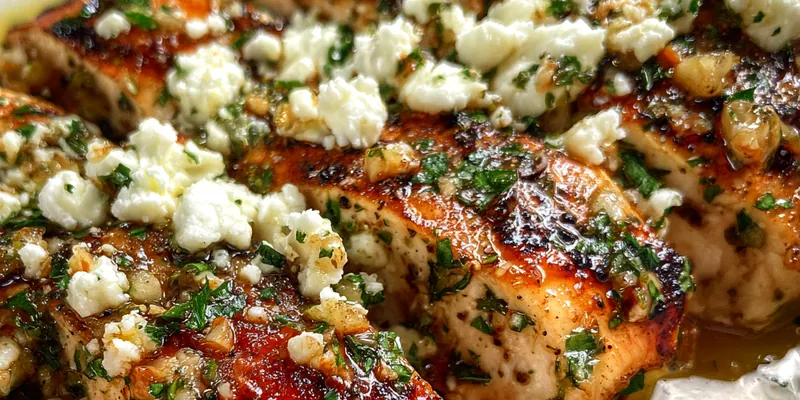
Embark on a culinary journey to the Mediterranean with this incredibly flavorful Lemon Herb Feta Chicken Skillet. Featuring perfectly golden-seared chicken breasts, nestled amidst a vibrant medley of fresh herbs, tangy lemon, juicy tomatoes, and tender spinach, all finished with salty crumbled feta. This one-pan wonder is not only bursting with classic Mediterranean tastes but also offers a healthy, wholesome, and surprisingly easy meal perfect for any night of the week. Prepare to impress your taste buds!

Why This Lemon Herb Feta Chicken Skillet with Golden Seared Breast Recipe Works
This Lemon Herb Feta Chicken Skillet isn't just another chicken dinner; it's a testament to how simple ingredients can create extraordinary flavor. The brilliance lies in its Mediterranean-inspired profile, where fresh lemon brightens rich herbs and tangy feta. It's a healthy, low-carb option that doesn't compromise on taste, making it ideal for a wholesome family meal or meal prep.
What truly sets this recipe apart is the golden searing technique for the chicken breasts. This crucial step locks in moisture and develops a deep, savory crust, adding an incredible layer of texture and flavor that elevates the entire dish. Combined with the ease of a one-pan cooking method, this recipe delivers gourmet results with minimal fuss, making it a reliable favorite for busy evenings.
💡 Professional Tip
To achieve truly golden, perfectly seared chicken, ensure your skillet is adequately hot before adding the chicken and resist the urge to move it for the first few minutes. This allows a beautiful crust to form. Patting the chicken completely dry before seasoning is also crucial, as moisture will prevent proper browning.
Frequently Asked Questions
While the dish is best enjoyed fresh, you can certainly prepare components in advance. The chicken can be seasoned and seared a day ahead, and the vegetables can be chopped. Reheat gently on the stovetop or in the oven, adding fresh feta and herbs just before serving to maintain their vibrant flavor and texture. This makes it a great option for efficient meal planning.
If feta cheese isn't to your liking or isn't available, several delicious alternatives can work. Goat cheese offers a similar tangy and creamy profile. For a milder, more meltable option, mozzarella or a blend of Italian cheeses would be suitable. Dairy-free crumbled feta alternatives are also widely available and can be used for dietary restrictions, maintaining the flavor integrity of the dish.
The most accurate way to check for doneness is by using an instant-read meat thermometer. Insert it into the thickest part of the chicken breast; it should register 165°F (74°C). If you don't have a thermometer, you can make a small cut into the thickest part of one breast – the juices should run clear, and the meat should be opaque white throughout. Overcooking will result in dry chicken, so watch it closely.
Yes, you can freeze the cooked chicken and sauce mixture, but it's best to do so without the fresh spinach and feta, as their textures can change upon thawing. Allow the chicken and sauce to cool completely, then transfer to an airtight, freezer-safe container for up to 2-3 months. Thaw overnight in the refrigerator, reheat gently, and then stir in fresh spinach and feta during the last few minutes of reheating.
This versatile skillet pairs wonderfully with a variety of sides. For a light option, consider a simple green salad or steamed green beans. If you prefer something heartier, fluffy couscous, quinoa, or roasted potatoes are excellent choices that can soak up the delicious sauce. Crusty bread is also a fantastic addition to complete the Mediterranean experience.
Leftovers of the Lemon Herb Feta Chicken Skillet can be stored in an airtight container in the refrigerator for up to 3-4 days. Ensure the chicken and sauce are completely cooled before refrigerating to prevent bacterial growth. The flavors tend to meld even further overnight, often tasting even better the next day!
While I recommend serving this dish fresh for the best texture, certain components can be prepped. You can chop all your vegetables, prepare your chicken by patting it dry and seasoning, and even mix your sauce ingredients ahead of time. Keep these components separate in the fridge. This preparation will significantly cut down on your active cooking time when you're ready to make dinner.
To reheat, place individual servings in a microwave-safe dish and heat on medium power until warmed through. For larger portions or to retain some crispness, transfer the skillet contents to an oven-safe dish, cover with foil, and bake at 325°F (160°C) for 15-20 minutes, or until hot. You can also reheat gently on the stovetop over low heat, adding a splash of broth if needed to prevent drying.
Recipe Troubleshooting Guide
Too Dry
Problem: Chicken breasts are often prone to drying out if overcooked, resulting in a tough or stringy texture.
Solution: Ensure you don't overcook the chicken. Use an instant-read thermometer to check for an internal temperature of 165°F (74°C). Removing it promptly and letting it rest for a few minutes will also help retain juices. If it does get slightly dry, ensure ample sauce or an extra squeeze of lemon will help.
Not Crispy Enough
Problem: The chicken exterior lacks the desired golden-brown crust and crispy texture.
Solution: Make sure your chicken is patted completely dry before seasoning and searing. Use a hot skillet with enough olive oil, and don't overcrowd the pan, which can lower the temperature and steam the chicken instead of searing. Allow 4-5 minutes per side without moving for a proper crust.
Overcooked
Problem: Chicken is rubbery or tough and loses its juiciness.
Prevention: Prevention is key: always use a meat thermometer and pull the chicken from the heat as soon as it reaches 165°F (74°C). If using thicker breasts, consider butterflying them or pounding them slightly to an even thickness for more uniform cooking. A brief resting period after cooking allows juices to redistribute.
Undercooked Center
Problem: The chicken appears cooked on the outside but is still pink or raw in the center.
Recovery: If you discover this during cooking, return the skillet to the oven or stovetop and continue cooking until 165°F (74°C) is reached. If noticed after serving, slice the chicken into thinner pieces and quickly pan-fry or microwave until cooked through. Always check the thickest part of the breast.
Burnt Exterior
Problem: The outside of the chicken is charred before the inside is cooked.
Prevention: This often means the heat is too high. Reduce the stovetop heat to medium-high (not highest) for searing. If the chicken is browning too quickly, you can finish it in a lower-temperature oven. Ensure a good quality skillet that distributes heat evenly.
Flavor Balance
Too Sweet: If the sauce tastes too sweet (unlikely for this recipe, but possible with too many sweet tomatoes or if adding sugar), a squeeze of additional lemon juice or a pinch of red pepper flakes can balance it.
Too Salty: If too salty, add a splash more unsalted chicken broth or water to dilute. You can also add a few slices of raw potato to the simmering sauce for the last 10 minutes, then remove them before serving, as they can absorb excess salt.
Bland: If the flavors are too subtle, don't hesitate to add more fresh herbs (oregano, thyme, parsley), an extra squeeze of lemon juice, or a pinch of red pepper flakes for a little kick. A bit more minced garlic can also boost savory depth.
Essential Ingredients for Lemon Herb Feta Chicken Skillet with Golden Seared Breast
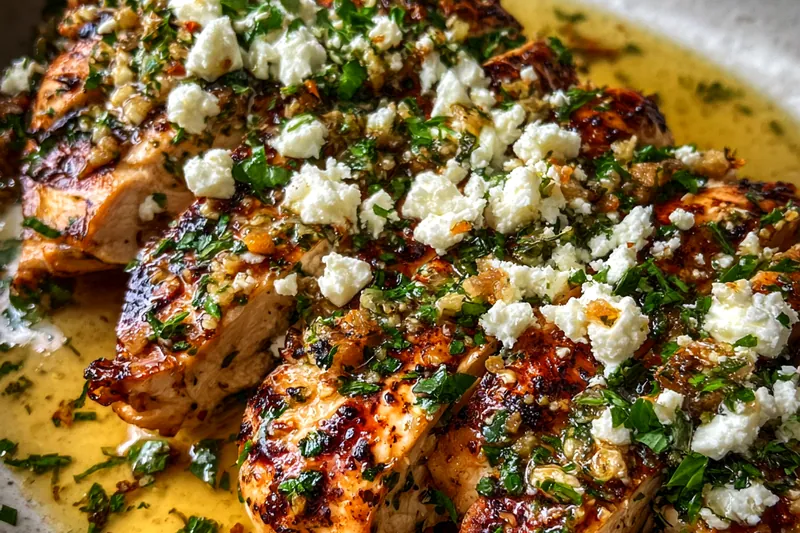
The heart of this Mediterranean delight lies in its fresh, quality ingredients. Boneless, skinless chicken breasts provide a lean protein base, while olive oil is crucial for both searing and lending that signature Mediterranean richness. Fresh lemon, dried oregano, and thyme infuse the dish with bright, aromatic flavors, and the crumbled feta adds a creamy, salty tang that truly defines the profile.
Selecting high-quality ingredients can make a significant difference in the final taste. Opt for fresh, plump cherry tomatoes and vibrant spinach for their natural sweetness and nutritional value. Using low-sodium chicken broth allows you to control the saltiness of the dish, ensuring a perfectly balanced flavor every time. Don't shy away from fresh parsley for a final burst of freshness.
Essential Ingredient Notes
- Chicken Breasts: Choose boneless, skinless chicken breasts for quick cooking. If they are very thick, you might want to lightly pound them to an even 1-inch thickness. This ensures they cook through uniformly and don't dry out. Patting them very dry before seasoning is critical for achieving a beautiful golden sear.
- Feta Cheese: For the best flavor and texture, opt for block feta cheese packed in brine, then crumble it yourself. It tends to be creamier and less dry than pre-crumbled varieties, offering a more authentic and rich taste that melts beautifully into the hot skillet sauce.
- Lemon: Always use fresh lemons for both the juice and zest in this recipe. Bottled lemon juice lacks the vibrant, bright flavor of fresh, and the zest adds a crucial aromatic oil that permeates the entire dish, enhancing the 'lemon herb' profile significantly.
Step-by-Step Cooking Process
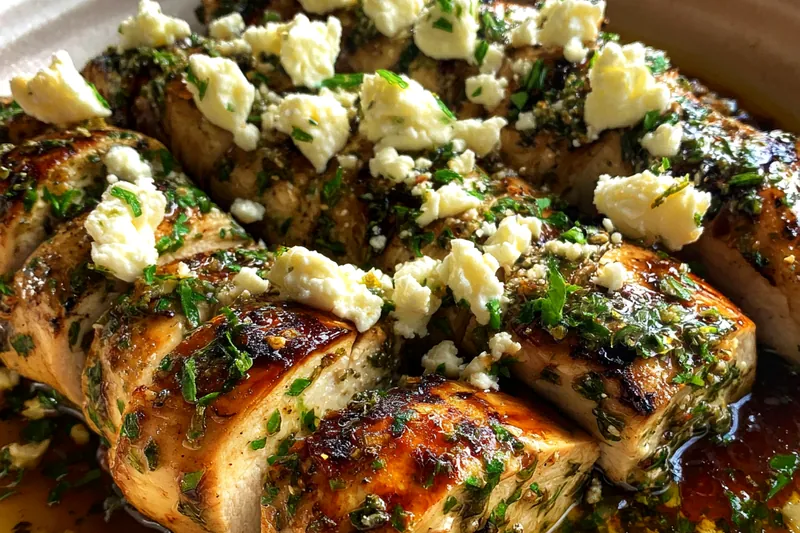
Creating this delectable Lemon Herb Feta Chicken Skillet is a straightforward process, designed for efficiency without sacrificing flavor. We begin by expertly searing the chicken breasts to achieve that coveted golden crust, which is essential for texture and depth. This initial step creates a flavor foundation in the skillet, setting the stage for the aromatic vegetables and rich sauce that follow.
The beauty of this recipe lies in its one-pan approach, allowing flavors to meld beautifully as the dish cooks. From sautéing the aromatics to building the bright lemon-herb sauce and finishing with fresh spinach and feta, each step contributes to a harmonious and deeply satisfying meal. Following these steps ensures your chicken remains juicy, your vegetables are tender-crisp, and your sauce is perfectly balanced.
Key Technique for Perfect Lemon Herb Feta Chicken Skillet with Golden Seared Breast: The Double Cook Method
The secret to incredibly juicy chicken with a superb crust in this skillet is the 'double cook' method. First, you sear the chicken over medium-high heat until it's deeply golden and crusty, but not necessarily cooked through. Then, you remove it, build your sauce, and return the chicken to finish cooking gently within the simmering sauce (or in the oven). This ensures a fantastic exterior without overcooking the interior, resulting in tender, flavorful breasts every time.
Lemon Herb Feta Chicken Skillet with Golden Seared Breast
📋 Ingredients
Main Ingredients
- 1 small yellow onion, choppedFinely chopped for even cooking
- 3 cloves garlic, mincedFreshly minced for best flavor
- 1 cup chicken broth, low sodiumAllows control of saltiness
- 1 lemon, juiced and zestedFor bright, tangy notes
- 1 cup cherry tomatoes, halvedAdds sweetness and acidity
- 5 oz fresh spinachWashes down quickly
- 4 oz crumbled feta cheeseFor finishing, creamy and salty
- 2 tbsp fresh parsley, choppedFor garnish and fresh flavor
For the Sauce & Finish
- 1.5 lbs boneless, skinless chicken breastsAbout 4 medium breasts, patted dry
- 2 tbsp olive oil, dividedExtra virgin preferred for flavor
- 1 tsp dried oreganoEssential Mediterranean herb
- 1/2 tsp dried thymeComplements oregano beautifully
- 1/2 tsp garlic powderAdds a consistent garlic base
- 1/2 tsp salt, plus more to tasteKosher or sea salt recommended
- 1/4 tsp black pepper, plus more to tasteFreshly ground for best aroma
Instructions
Prepare Chicken
Pat chicken breasts dry with paper towels. Season generously on all sides with 1/2 tsp salt, 1/4 tsp black pepper, dried oregano, dried thyme, and garlic powder.
Sear Chicken
Heat 1 tablespoon of olive oil in a large (10-12 inch) oven-safe skillet over medium-high heat. Once hot, add chicken breasts to the skillet, ensuring not to overcrowd. Sear for 4-5 minutes per side until deeply golden brown and a beautiful crust has formed. Remove chicken from the skillet and set aside on a plate.
Sauté Aromatics
Reduce heat to medium. Add the remaining 1 tablespoon of olive oil to the same skillet. Add the chopped yellow onion and cook for 3-4 minutes, stirring occasionally, until softened and translucent. Add the minced garlic and cook for another minute until fragrant, being careful not to burn it.
Deglaze and Build Sauce
Pour in the chicken broth and lemon juice. Use a wooden spoon or spatula to scrape up any browned bits (fond) from the bottom of the skillet. This will add immense flavor to your sauce. Bring the mixture to a gentle simmer.
Add Vegetables
Stir in the halved cherry tomatoes and fresh spinach. Cook, stirring occasionally, until the spinach wilts down completely, which usually takes about 2-3 minutes. Season the sauce with a pinch more salt and pepper to taste.
Finish Cooking Chicken
Nest the seared chicken breasts back into the skillet, partially submerging them in the sauce and vegetables. If your chicken breasts are thick, cover the skillet and let it simmer on low heat for 10-15 minutes, or for a crispier finish, transfer the oven-safe skillet to a preheated oven at 375°F (190°C) and bake for 10-15 minutes, or until the chicken reaches an internal temperature of 165°F (74°C).
Garnish and Serve
Once the chicken is cooked through, remove the skillet from the heat (or oven). Sprinkle generously with crumbled feta cheese, fresh lemon zest, and fresh chopped parsley. Serve immediately, perhaps with a side of couscous or crusty bread to soak up the delicious sauce.
Recipe Notes & Tips
Storage Tips
To store leftover Lemon Herb Feta Chicken Skillet, allow the dish to cool completely before transferring it to an airtight container. Refrigerate promptly for up to 3-4 days. For best results when reheating, avoid adding fresh feta until serving, as it can become less appealing in texture after cooling.
Serving Suggestions
This versatile skillet meal pairs beautifully with a range of sides. Serve it alongside fluffy couscous, quinoa, or rice to absorb the flavorful sauce. For a lighter meal, consider a fresh green salad with a lemon vinaigrette, or simple steamed asparagus or green beans. Crusty artisan bread is also excellent for soaking up every last drop of the Mediterranean juices.
Recipe Variations
Feel free to customize this skillet to your taste! Add other Mediterranean vegetables like chopped bell peppers or zucchini alongside the onions. For an extra kick, a pinch of red pepper flakes can be added with the garlic. You can also experiment with different herbs like fresh dill or marjoram. For a richer sauce, a splash of cream can be stirred in at the end.