Savory Korean BBQ Steak Bowls
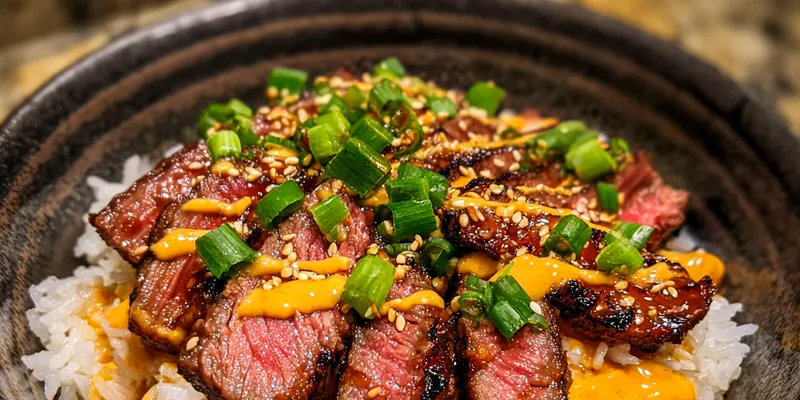
Savory Korean BBQ Steak Bowls are a delicious fusion of flavors and textures, perfect for any dinner occasion. The marinated steak is grilled to perfection, paired with fresh vegetables and fluffy rice. This recipe combines the vibrant tastes of Korean cuisine with a satisfying bowl format. Enjoy a wholesome meal that is both easy to prepare and incredibly satisfying.

Why This Savory Korean BBQ Steak Bowls Recipe Works
This recipe stands out due to its perfect balance of savory and sweet flavors from the marinade. The flank steak is tenderized by marinating, ensuring a juicy texture after grilling. By incorporating fresh vegetables, the dish not only becomes visually appealing but also adds a crunch that complements the steak. It's a harmonious blend that captures the essence of Korean BBQ.
The flavor profile is enhanced by the sesame oil, which adds nuttiness, while the fresh vegetables provide a refreshing contrast. Using high-quality ingredients ensures every bite is packed with taste. The cooking method allows for a quick preparation, making it ideal for a weeknight dinner without sacrificing flavor.
💡 Professional Tip
For the best results, let the flank steak marinate overnight to deepen the flavors. Slicing against the grain is crucial for tenderness, ensuring each bite melts in your mouth.
Frequently Asked Questions
Absolutely! You can marinate the steak a day in advance and store it in the refrigerator. Cook the rice and vegetables fresh, or prepare them in advance to save time on busy weeknights.
You can use sirloin or ribeye as a substitute for flank steak. Both cuts are flavorful and work well when marinated and grilled. If you're looking for a healthier option, chicken breast can also be marinated and prepared similarly.
Grilling is the preferred method for a smoky flavor, but you can also pan-sear the steak in a skillet. Each method brings out the rich flavors of the marinade effectively, ensuring a delicious result.
To avoid tough steak, ensure you marinate for enough time and slice against the grain. Using flank steak, which is naturally more tender when prepared correctly, also helps achieve the desired texture.
The steak is perfectly done when it reaches an internal temperature of 130-135°F for medium-rare. Allow it to rest before slicing to retain its juices, and you'll achieve the best flavor.
These steak bowls pair wonderfully with kimchi, pickled vegetables, or a light salad. A side of miso soup can also complement the meal beautifully.
Yes! Adding gochujang (Korean chili paste) to the marinade will elevate the heat level. You can also sprinkle some red pepper flakes for an extra kick.
Store leftovers in an airtight container in the refrigerator for up to 3 days. Reheat gently in the microwave or on the stove, adding a little water to the rice to avoid dryness.
Recipe Troubleshooting Guide
Steak is Overcooked
Problem: If the steak turns out tougher than expected, it may have been overcooked.
Solution: For future reference, use a meat thermometer to check the internal temperature while cooking. Aim for medium-rare for the juiciest steak.
Too Much Sauce
Problem: The dish could become too salty if too much marinade is applied.
Solution: Balance the flavors by serving the bowls with plain rice to offset the saltiness. You can also reduce the amount of marinade used next time.
Rice is Sticky
Problem: Sticky rice can be a result of overcooking or not rinsing before cooking.
Prevention: Rinse the rice under cold water until the water runs clear before cooking. This will help remove excess starch that causes stickiness.
Vegetables are Overcooked
Problem: Overcooked vegetables lose their vibrant color and crunch.
Recovery: Sauté the vegetables quickly over high heat to keep them tender-crisp. For best results, add them to the skillet last, cooking just until bright and tender.
Flavor is Lacking
Problem: The dish may taste bland if the marinade isn't flavorful enough.
Prevention: Ensure you're using fresh ingredients and allowing enough marinating time to develop flavors. Adjust seasoning to taste before cooking.
Flavor Balance Issues
Too Sweet: If the dish is too sweet, add a splash of vinegar or lime juice to balance the flavors.
Too Salty: If too salty, serve with unsalted rice or add more vegetables to dilute the saltiness.
Bland: If bland, increase the marinating time or add more spices and herbs to enhance the flavor.
Choosing the Best Ingredients for Savory Korean BBQ Steak Bowls
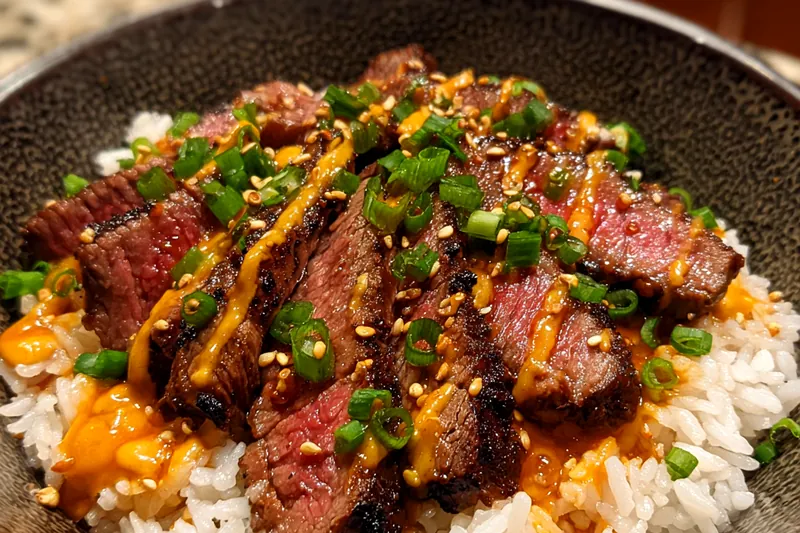
Selecting high-quality ingredients is essential for the best flavor. Look for flank steak that is bright red with a good amount of marbling. Fresh vegetables like bell peppers and broccoli add color and nutrition, making your bowl visually appealing.
When preparing the ingredients, ensure that vegetables are cut uniformly for even cooking. Rinse the rice well before cooking to achieve fluffy grains. Marinating the steak the night before enhances the flavor and tenderness significantly.
Essential Ingredient Notes
- Flank Steak: Flank steak is ideal for this dish due to its rich flavor and tender texture when cooked properly. Look for cuts with good marbling to enhance juiciness.
- Soy Sauce: Use a high-quality soy sauce for the marinade. It adds depth and umami flavors essential for authentic Korean BBQ.
- Sesame Oil: Sesame oil is crucial for its nutty flavor. Use toasted sesame oil for a richer taste that enhances the overall dish.
Mastering the Cooking Technique
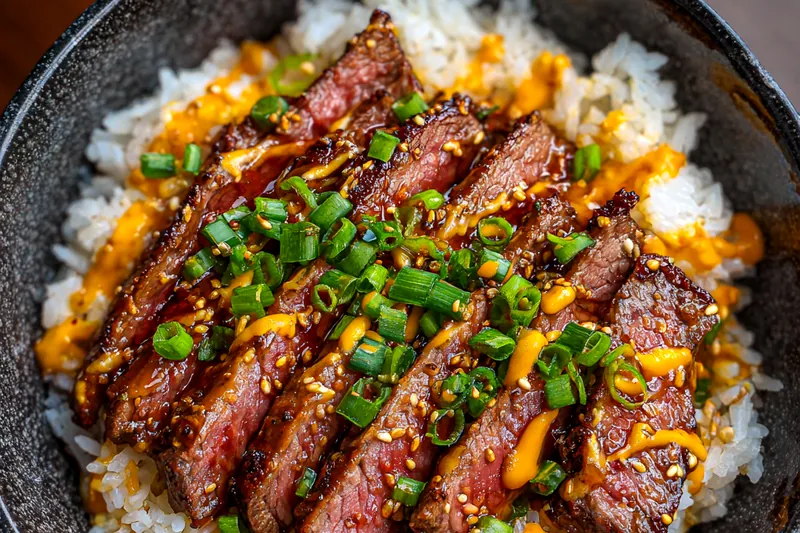
The cooking process begins with marinating the steak, which is crucial for flavor and tenderness. Grill or sear the meat at high heat to achieve a nice crust while keeping the inside juicy. Timing is important, so keep an eye on the steak as it cooks.
Once the steak is done, let it rest before slicing to ensure it retains its juices. Sauté the vegetables quickly to keep them bright and crunchy, which complements the dish's rich flavors. Assemble the bowls just before serving for the best presentation.
The Secret to Perfect Savory Korean BBQ Steak Bowls
The key to perfect savory Korean BBQ steak bowls is marinating the steak long enough to absorb the flavors while cooking it quickly at high heat. This method ensures the steak remains tender and juicy, giving you a delicious meal every time.
Savory Korean BBQ Steak Bowls
📋 Ingredients
Sauce
- 1/4 cup soy sauceGives the dish its savory base
- 2 tablespoons brown sugarAdds sweetness and depth
- 1 tablespoon sesame oilProvides a nutty flavor
- 2 cloves garlic, mincedEnhances the overall flavor
- 1 teaspoon grated gingerAdds freshness and aroma
Main
- 2 lbs flank steakThe star protein for the dish
- 3 cups cooked riceServes as the base
- 2 cups mixed vegetables (carrots, bell peppers, broccoli)Adds color and nutrition
- 1 tablespoon sesame oilFor cooking the vegetables
- 2 green onions, choppedFor garnish and flavor
- 1 tablespoon sesame seedsFor garnish and texture
- Salt and pepper to tasteFor seasoning the dish
Instructions
Marinate the Steak
In a bowl, combine soy sauce, brown sugar, sesame oil, garlic, and ginger. Add flank steak and marinate for at least 30 minutes.
Prepare Rice
Cook rice according to package instructions or use leftover rice.
Cook the Vegetables
In a skillet, heat sesame oil over medium-high heat. Sauté mixed vegetables until tender, about 5 minutes.
Grill the Steak
Preheat a grill or skillet over medium-high heat. Remove steak from marinade and grill for 4-5 minutes on each side for medium-rare.
Slice the Steak
Let the steak rest for 5 minutes before slicing thinly against the grain.
Assemble the Bowls
In a bowl, add a serving of rice, top with sliced steak, sautéed vegetables, and garnish with green onions and sesame seeds.
Serve and Enjoy
Serve the bowls warm and enjoy your savory Korean BBQ steak bowls.
Store Leftovers
Store any leftovers in an airtight container in the refrigerator for up to 3 days.
Recipe Notes & Tips
Make-Ahead Instructions
You can marinate the steak a day in advance and store it in the refrigerator. Cook the rice and vegetables fresh, or prepare them in advance to save time.
Serving Suggestions
These steak bowls pair wonderfully with kimchi, pickled vegetables, or a light salad. A side of miso soup can also complement the meal beautifully.
Recipe Variations
Feel free to customize the vegetable mix according to your preferences. You can also use tofu for a vegetarian option.