Shrimp Stuffed Bell Peppers with Creamy Garlic Sauce
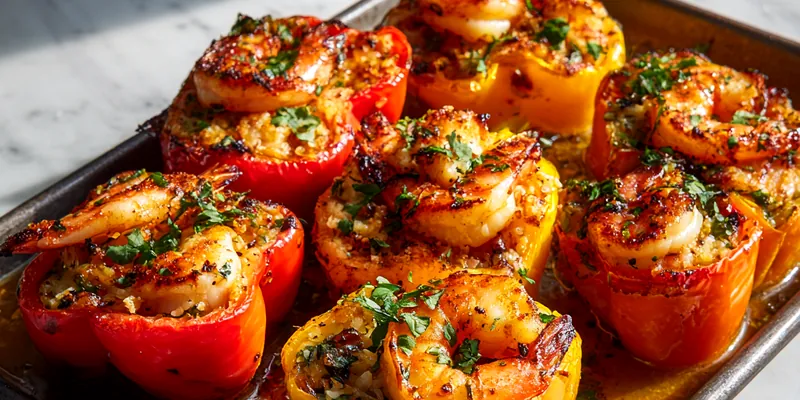
These elegant shrimp stuffed peppers transform simple ingredients into a restaurant-worthy dish that's surprisingly easy to make at home. The combination of tender bell peppers, succulent garlic shrimp, and a luxuriously creamy sauce creates layers of flavor that will impress family and guests alike. This recipe proves that weeknight dinners can be both quick and sophisticated.

Why This Shrimp Stuffed Pepper Recipe Works
The secret to exceptional stuffed peppers lies in the balance of textures and the layering of flavors. By partially baking the peppers first, we ensure they're tender enough to cut with a fork but still hold their shape and provide structural support for the filling. The rice acts as both a base and a vehicle for soaking up that incredible creamy garlic sauce, while the shrimp remain the star with their sweet, delicate flavor enhanced by paprika and herbs.
What elevates this dish from ordinary to extraordinary is the creamy garlic sauce made right in the same pan where the shrimp cooked, capturing every bit of those flavorful drippings. The combination of heavy cream, stock, and Parmesan creates a sauce that's rich but not heavy, with enough body to cling to the shrimp and rice without becoming gloppy. The touch of lemon juice at the end brightens everything and cuts through the richness, while red pepper flakes add a subtle warmth that complements the sweet peppers beautifully.
💡 Professional Tip
Always pat your shrimp completely dry with paper towels before seasoning and cooking. Excess moisture prevents proper browning and can cause the shrimp to steam rather than sear, resulting in a rubbery texture instead of that desirable caramelized exterior.
Frequently Asked Questions
Yes! You can prepare the components separately up to 24 hours in advance. Cook the rice, prep the peppers, and make the shrimp and sauce. Store everything separately in the refrigerator. When ready to serve, reheat the sauce gently on the stovetop, warm the shrimp briefly in the sauce, then assemble and bake as directed, adding 5 extra minutes to the final baking time since ingredients are cold.
Large shrimp (26-30 count per pound) work best because they're substantial enough to be impressive but not so large they're difficult to eat. Look for wild-caught if possible for better flavor and texture. Frozen shrimp that's been properly thawed works just as well as fresh. Avoid pre-cooked shrimp as they'll become rubbery when reheated in the oven.
Absolutely! Red, yellow, and orange peppers are sweeter and more tender, making them ideal for this recipe. Green peppers work too but have a more bitter, vegetal flavor that some prefer. For the most visually stunning presentation, use a mix of colors. Each pepper tastes slightly different, so choose based on your preference.
Half-and-half can work in a pinch, though the sauce won't be quite as rich and creamy. Add an extra tablespoon of butter and a teaspoon of cornstarch mixed with water to help thicken it. Avoid using milk as it's too thin and will result in a watery sauce. For a dairy-free version, full-fat coconut cream makes a surprisingly good substitute, though the flavor profile will be different.
Perfectly cooked shrimp should be opaque throughout with a pink exterior and form a loose C-shape. If they curl into tight O-shapes, they're overcooked. The total cooking time is usually 4-5 minutes for large shrimp. They'll cook a bit more in the oven, so slightly undercook them in the pan. The internal temperature should reach 120°F when you remove them from the skillet.
These stuffed peppers are substantial enough to be a complete meal, but they pair beautifully with a crisp green salad dressed with lemon vinaigrette, garlic bread for soaking up extra sauce, or roasted asparagus or green beans. A light, dry white wine like Pinot Grigio or Sauvignon Blanc complements the dish perfectly. For a heartier meal, serve with additional rice or crusty bread.
Definitely! Sautéed spinach, diced tomatoes, corn kernels, or chopped zucchini all make excellent additions. Just make sure to cook any vegetables first to remove excess moisture, and don't overstuff the peppers or they'll be difficult to eat. Mix vegetables in with the rice layer rather than trying to pile everything on top.
Store leftover stuffed peppers in an airtight container in the refrigerator for up to 3 days. The sauce should be stored separately if possible to prevent the rice from becoming too soggy. Reheat in a 350°F oven covered with foil for 15-20 minutes, or microwave individual portions for 2-3 minutes. The peppers may soften further upon reheating but will still taste delicious.
Recipe Troubleshooting Guide
Peppers Too Firm or Too Mushy
Problem: Bell peppers are either still crunchy after baking or have collapsed and become watery.
Solution: The initial 15-minute bake is crucial. For firmer peppers that stay crunchy, increase the initial baking time to 20 minutes. For peppers that get too soft, reduce initial baking to 10 minutes and choose thicker-walled peppers. Avoid overfilling, which makes peppers more likely to collapse under weight.
Sauce Too Thin or Watery
Problem: The creamy garlic sauce isn't thickening properly and runs off the peppers.
Solution: Make sure to simmer the sauce for the full 3-4 minutes to allow it to reduce and thicken. The Parmesan cheese also helps thicken it, so stir it in thoroughly. If still too thin, mix 1 teaspoon cornstarch with 1 tablespoon cold water and stir into the simmering sauce. Let cook for another minute until thickened.
Shrimp Overcooked and Rubbery
Problem: The shrimp turned out tough and chewy instead of tender.
Prevention: Shrimp cook incredibly quickly and continue cooking in the oven. Only cook them in the skillet for 2 minutes per side maximum - they should still be slightly translucent in the very center when you remove them. They'll finish cooking during the final bake. Also, don't overcrowd the pan, which causes steaming instead of searing.
Garlic Burning or Bitter
Problem: The garlic sauce tastes burnt or bitter.
Recovery: Garlic burns easily and turns bitter. When you add it to the butter, reduce heat to medium or medium-low immediately. Stir constantly and only cook for about 1 minute until fragrant but not browned. If the pan seems too hot, remove it from heat for 30 seconds before adding the cream and stock to stop the cooking process.
Rice Getting Soggy
Problem: The rice in the peppers becomes mushy and waterlogged.
Prevention: Use day-old rice that's been refrigerated if possible, as it has less moisture than freshly cooked rice. Don't overfill the peppers with rice - leave room at the top. When adding sauce, drizzle it over rather than drowning the rice. Save extra sauce for serving on the side rather than pouring it all in during baking.
Flavor Balance Issues
Too Sweet: If the sauce tastes too sweet from the peppers, add an extra squeeze of lemon juice and a pinch of salt to balance it out.
Too Salty: If the dish is too salty, likely from the stock and Parmesan, add a splash of cream and serve over extra plain rice to dilute the saltiness.
Bland: If the overall dish tastes bland, it likely needs more garlic, salt, and a squeeze of fresh lemon juice. Don't forget to season the shrimp well and taste the sauce before the final bake.
Selecting Quality Ingredients for Best Results
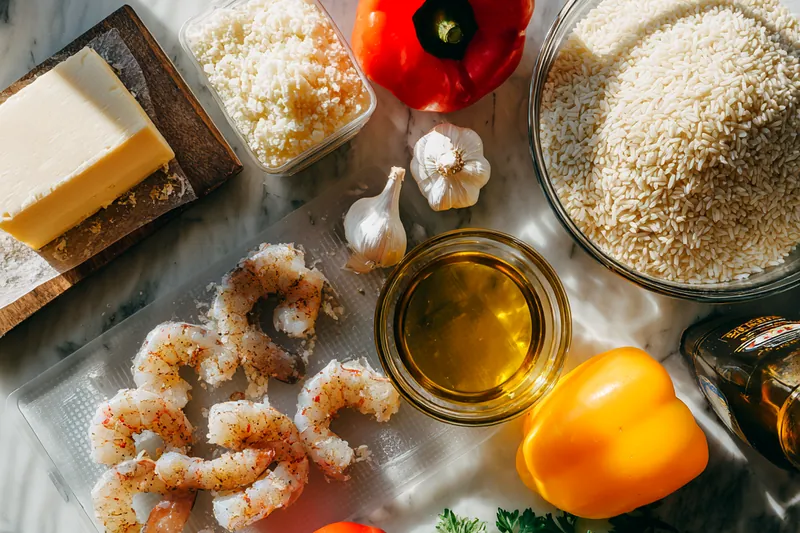
The quality of your ingredients directly impacts the final dish, especially when working with something as simple as shrimp and peppers. For the bell peppers, look for ones that are firm, glossy, and have thick walls - they'll hold up better during cooking and provide a more substantial base. Avoid peppers with soft spots or wrinkled skin. The peppers should feel heavy for their size, indicating thick flesh. Choose peppers that sit flat when placed cut-side up to prevent tipping in the oven.
For the shrimp, freshness is paramount though properly frozen shrimp are often actually 'fresher' than grocery store 'fresh' shrimp since they're frozen immediately after harvest. Look for shrimp with no black spots or ammonia smell. If buying frozen, check that they're individually frozen rather than in a solid block. When it comes to the cream sauce, use real heavy cream rather than light cream or half-and-half for the proper richness and stability. Authentic Parmigiano-Reggiano makes a noticeable difference over pre-grated cheese, which often contains anti-caking agents that can affect the sauce texture.
Essential Ingredient Notes
- Bell Peppers: Choose peppers with flat bottoms so they sit upright without tipping. Red, yellow, and orange peppers are sweeter than green. Look for thick-walled peppers that feel heavy - they'll hold up better during cooking and provide more substance. Store unwashed peppers in the crisper drawer for up to a week.
- Large Shrimp: Buy 26-30 count per pound for the ideal size - big enough to be impressive but not overwhelming. Wild-caught Gulf shrimp have excellent flavor. Frozen shrimp should be thawed overnight in the refrigerator, never at room temperature. Pat completely dry before cooking to achieve proper browning.
- Fresh Garlic: Use fresh garlic cloves rather than pre-minced for the best flavor. Look for firm bulbs with tight, papery skin and no green shoots. Store in a cool, dark, dry place - not in the refrigerator where it can become rubbery. Mince just before using to preserve the aromatic oils.
Mastering the Creamy Garlic Sauce Technique
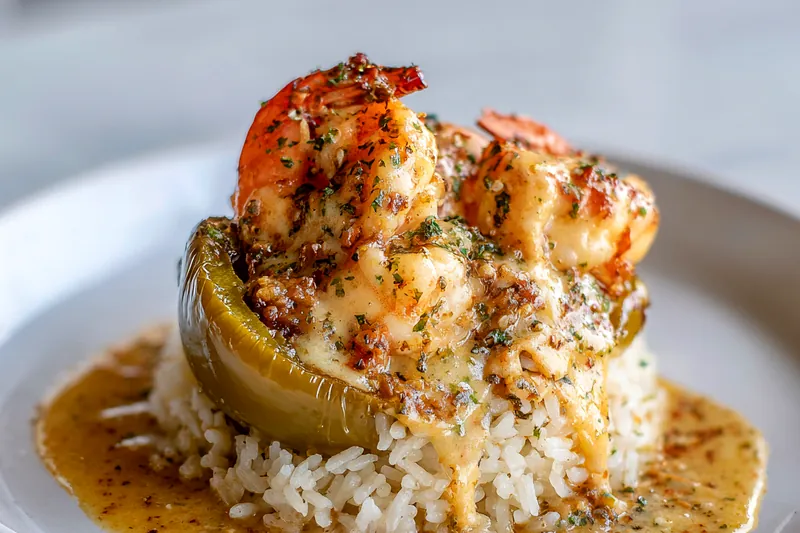
The creamy garlic sauce is what transforms this dish from simple stuffed peppers into something truly special. The key technique here is building flavor in layers using the same pan. After cooking the shrimp, those golden bits stuck to the bottom of the pan (called fond) contain concentrated flavor that becomes the foundation of your sauce. When you add the butter and garlic, you're creating a flavor base, and when the cream and stock hit the hot pan, they deglaze those bits and incorporate all that depth into the sauce.
Temperature control is critical when making cream-based sauces. Too high and the cream can break or curdle; too low and it won't reduce and thicken properly. Medium heat with gentle simmering is ideal. The sauce should show small bubbles around the edges but not a rolling boil. As it simmers, the liquid reduces and the cream's natural fats emulsify with the stock, creating that luxurious, silky texture. The Parmesan adds not just flavor but also helps stabilize the sauce while adding body. Finishing with lemon juice brightens everything and provides acidity that balances the richness.
Pan-to-Oven Method
This recipe uses a smart two-stage cooking technique that ensures everything is perfectly cooked without overdoing any component. The peppers get a head start in the oven to soften while maintaining structure. The shrimp cook quickly on the stovetop where you can monitor them closely, preventing the overcooking that often happens when shrimp spend too long in the oven. The final combined bake brings everything to serving temperature while melding the flavors. This method gives you more control than single-stage cooking and produces consistently better results.
Shrimp Stuffed Bell Peppers with Creamy Garlic Sauce
📋 Ingredients
For the Peppers & Filling
- 3 tablespoons butter, dividedUse unsalted butter so you can control the seasoning
- 6 cloves garlic, mincedFresh garlic is essential - don't substitute jarred
- 1 cup heavy creamDon't use light cream or the sauce won't be rich enough
- 1/2 cup chicken or seafood stockSeafood stock adds extra depth but chicken works great
- 1/2 cup grated Parmesan cheeseFreshly grated Parmigiano-Reggiano melts better
- 1 tablespoon lemon juiceFresh lemon juice brightens the sauce
- 1/2 teaspoon red pepper flakesAdjust to your spice preference
For the Creamy Garlic Sauce
- 4 large bell peppers (any color)Choose peppers with flat bottoms that sit upright
- 1 pound large shrimp, peeled and deveined26-30 count per pound is the ideal size
- 2 cups cooked white riceDay-old rice works best as it's less sticky
- 2 tablespoons fresh parsley, choppedFor garnish and fresh flavor
- 1 teaspoon paprikaSweet or smoked paprika both work well
- 1/2 teaspoon dried oreganoAdds a subtle Mediterranean note
- 2 tablespoons olive oilFor brushing the peppers
- Salt and black pepper to tasteSeason generously at each step
Instructions
Prepare Bell Peppers
Preheat oven to 375°F. Cut bell peppers in half lengthwise and remove seeds and membranes. Brush with olive oil, season with salt and pepper, and place cut-side up in a baking dish. Bake for 15 minutes until slightly tender.
Cook the Shrimp
Heat 1 tablespoon butter in a large skillet over medium-high heat. Season shrimp with paprika, oregano, salt, and pepper. Cook shrimp for 2 minutes per side until pink and just cooked through. Remove from pan and set aside.
Make Creamy Garlic Sauce
In the same skillet, melt remaining 2 tablespoons butter over medium heat. Add minced garlic and red pepper flakes, sautéing for 1 minute until fragrant. Pour in heavy cream and stock, stirring to combine. Simmer for 3-4 minutes until slightly thickened. Stir in Parmesan cheese and lemon juice. Season with salt and pepper to taste.
Assemble and Bake
Spoon cooked rice into each pepper half, filling about halfway. Arrange 3-4 shrimp on top of the rice in each pepper. Drizzle generously with the creamy garlic sauce, reserving some for serving. Return to oven and bake for 10-12 minutes until heated through and bubbly.
Finish and Serve
Remove from oven and let rest for 2-3 minutes. Plate each stuffed pepper on a bed of extra rice if desired. Drizzle with additional warm garlic sauce, garnish with fresh parsley, and serve immediately.
Recipe Notes & Tips
Storage
Store leftover stuffed peppers in an airtight container in the refrigerator for up to 3 days. Keep the sauce separate if possible to prevent the rice from becoming soggy. Reheat covered in a 350°F oven for 15-20 minutes or microwave for 2-3 minutes. The peppers will soften further but remain delicious.
Serving Suggestions
Serve these stuffed peppers as a complete meal, or pair them with a crisp green salad with lemon vinaigrette, garlic bread, or roasted asparagus. They're elegant enough for dinner parties but easy enough for weeknight meals. A dry white wine like Pinot Grigio or Sauvignon Blanc pairs beautifully.
Variations
Try adding sautéed spinach, corn, or diced tomatoes to the rice filling. Substitute chicken for shrimp if preferred. For a spicier version, add diced jalapeños to the sauce. You can also use cauliflower rice for a low-carb option, or mix in some cooked quinoa for added nutrition and texture.