Sicilian Pork Chops with Garlic and Lemon
These Sicilian Pork Chops bring the bold flavors of Italy straight to your dinner table with minimal effort and maximum impact. The combination of garlic, lemon, and fresh herbs creates a bright, savory sauce that transforms simple pork chops into a restaurant-worthy meal. Whether you're cooking for a special occasion or just want to elevate your weeknight dinner game, this recipe delivers incredible flavor in just 30 minutes.

Why This Sicilian Pork Chop Recipe Works
The magic of this recipe lies in its simplicity and the careful balance of flavors. Unlike heavy cream-based sauces, the garlic-lemon butter sauce is light yet incredibly flavorful, allowing the natural taste of the pork to shine through. The technique of searing the chops in a hot pan creates a caramelized crust that locks in moisture, while the pan sauce captures all those delicious browned bits for maximum flavor. This is authentic Sicilian home cooking at its finest—bold, bright flavors that come together quickly without any fuss.
What makes this recipe particularly special is its versatility and foolproof nature. The combination of garlic and lemon is a classic pairing in Sicilian cuisine, cutting through the richness of the pork with bright acidity while the butter adds luxurious texture to the sauce. Whether you're a beginner cook or an experienced home chef, this recipe provides clear steps to achieve perfectly cooked, juicy pork chops every time. The visual cues—like waiting for the oil to shimmer and looking for a golden-brown crust—take the guesswork out of the cooking process.
💡 Professional Tip
The single most important tip for perfect pork chops is to use a meat thermometer and remove them from heat at exactly 145°F. They'll continue cooking as they rest, reaching a perfect 150°F. Overcooking is the number one reason pork chops turn out dry and tough. Also, don't skip letting the meat come to room temperature before cooking—cold meat won't sear properly and will cook unevenly.
Frequently Asked Questions
While these pork chops are best served immediately after cooking, you can prep the ingredients ahead of time. Season the pork chops and refrigerate them up to 4 hours before cooking (bring to room temperature before searing). You can also mince the garlic and chop the parsley in advance. However, I don't recommend fully cooking the chops ahead as they can become dry when reheated. If you must reheat, do so gently in the sauce over low heat for just 2-3 minutes.
Absolutely! Boneless pork chops work perfectly with this recipe. They'll actually cook a bit faster—usually 3-4 minutes per side instead of 4-5 minutes. Bone-in chops tend to stay slightly juicier and have more flavor from the bone, but boneless chops are more convenient and still delicious. Just be extra careful not to overcook them since they have less mass to retain moisture. Aim for the same 145°F internal temperature.
You have several great substitution options! White wine (like a dry Pinot Grigio or Sauvignon Blanc) is actually traditional in many Sicilian recipes and adds wonderful depth. You can also use vegetable broth, or even just water in a pinch—though the sauce won't be quite as rich. If using water, consider adding an extra tablespoon of butter to compensate for the lack of richness from the broth. Avoid using beef broth as it will overpower the delicate lemon-garlic flavors.
While you can use dried parsley, I strongly recommend using fresh for this recipe. Fresh parsley provides a bright, herbaceous flavor and beautiful color that dried simply cannot match. If you must use dried, reduce the amount to about 1 tablespoon and add it while the sauce is simmering rather than at the end. Better alternatives to dried parsley would be fresh basil (very Sicilian!) or a combination of fresh oregano and chives. Fresh herbs really make a difference in this dish.
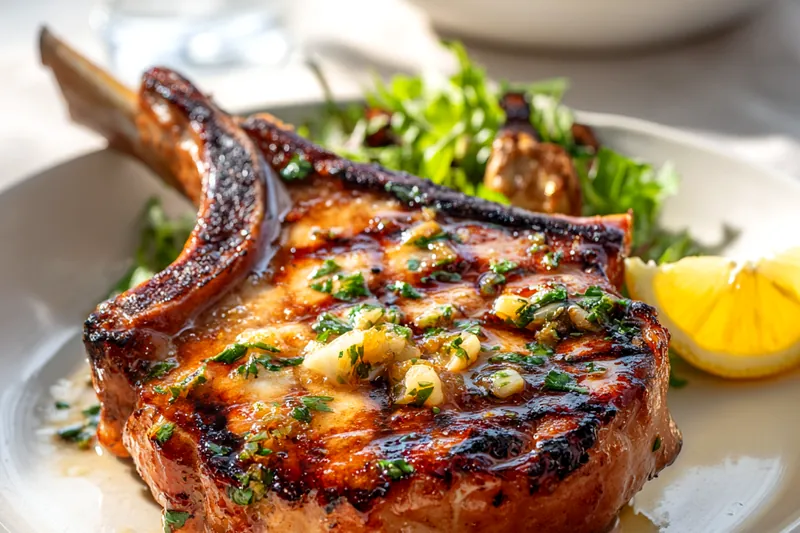
The most reliable method is using an instant-read meat thermometer inserted into the thickest part of the chop, away from the bone. You're looking for 145°F for perfect doneness—the pork will be slightly pink in the center and incredibly juicy. Visual cues include: the meat should feel firm but still have some give when pressed, and the juices should run clear rather than pink. The exterior should be golden brown with some darker sear marks. Remember, the chops will continue cooking for a few degrees after you remove them from the heat, so taking them off at exactly 145°F is crucial.
These Sicilian pork chops pair beautifully with so many sides! Classic Italian options include creamy polenta, risotto Milanese, or garlic mashed potatoes to soak up that incredible sauce. For lighter options, try roasted asparagus, sautéed green beans with almonds, or a simple arugula salad with lemon vinaigrette. Roasted baby potatoes with rosemary are always a hit, as is a Mediterranean pasta salad. Since the sauce is lemony and bright, you want sides that can either absorb the sauce or provide a mild contrast without competing with the bold flavors.
Yes! Grilled pork chops are delicious with this garlic-lemon treatment. Season the chops as directed, then grill over medium-high heat (about 400°F) for 4-5 minutes per side, or until they reach 145°F internal temperature. Make the garlic-lemon sauce in a small saucepan on the stovetop or on the grill's side burner. You'll miss out on the flavorful pan drippings, so consider adding an extra tablespoon of butter to compensate. Brush the sauce over the grilled chops right before serving. This method is perfect for summer when you don't want to heat up the kitchen!
Store leftover pork chops in an airtight container in the refrigerator for up to 3 days. Keep the sauce separate if possible to prevent the meat from becoming soggy. To reheat, place the chops in a skillet over medium-low heat with a splash of chicken broth or water, cover, and warm gently for 3-4 minutes per side. You can also reheat in a 325°F oven for about 10 minutes. Avoid the microwave if possible as it tends to dry out the meat. Leftover pork chops can be sliced and used in sandwiches, salads, or pasta dishes—just add some of the reheated sauce for moisture and flavor.
Recipe Troubleshooting Guide
Pork Chops Are Tough and Dry
Problem: The most common issue with pork chops is overcooking, which causes the meat to become tough, dry, and chewy. This happens when the internal temperature exceeds 155°F.
Solution: Always use a meat thermometer and remove the chops from heat at exactly 145°F—they'll continue cooking to about 150°F while resting. If you've already overcooked them, slice the meat thinly against the grain and serve it swimming in extra sauce to add moisture. For next time, choose thicker chops (at least 1 inch) as they're more forgiving and less likely to dry out during cooking.
Pork Chops Won't Brown Properly
Problem: The chops are cooking but not developing that beautiful golden-brown crust, or they're steaming instead of searing.
Solution: This usually means your pan isn't hot enough, the chops are too wet, or the pan is overcrowded. Make sure to thoroughly pat the chops dry before seasoning—any surface moisture will cause steaming. Heat your oil until it shimmers but doesn't smoke. Don't move the chops around—let them sit undisturbed for the full 4-5 minutes to develop a crust. If your pan is small, cook in batches rather than crowding. A heavy cast-iron or stainless steel pan holds heat better than thin pans.
Garlic Is Burning
Problem: The minced garlic is turning brown or black and becoming bitter when you add it to the hot pan.
Prevention: Garlic burns quickly because of its high sugar content. After removing the pork chops, reduce your heat to medium before adding the butter and garlic. Have your chicken broth ready to add immediately after the garlic becomes fragrant (30-45 seconds)—this stops the cooking process. If the garlic does burn, discard it, wipe out the pan, start fresh with new butter and garlic at a lower temperature. Alternatively, you can add the garlic to the butter before it fully melts, which gives you more control.
Sauce Is Too Thin
Problem: The garlic-lemon sauce is watery and won't coat the pork chops nicely or pool on the plate.
Recovery: Let the sauce simmer for an additional 2-3 minutes to reduce and concentrate the flavors. The butter should help emulsify and thicken it, but you can add an extra tablespoon of cold butter at the end and swirl the pan vigorously—this creates a silkier, thicker sauce. If it's still too thin, mix 1 teaspoon of cornstarch with 1 tablespoon of cold water and whisk it into the simmering sauce. Cook for another minute until it thickens. Remember, the sauce should be more like a glaze than a soup.
Pork Chops Are Sticking to the Pan
Problem: When you try to flip the chops, they're stuck to the pan and the crust tears off when you force them.
Prevention: If a pork chop is sticking, it usually means it's not ready to flip yet. A proper sear will naturally release from the pan when it's ready. Be patient and wait the full 4-5 minutes before attempting to flip. Also ensure you're using enough oil and that your pan is properly preheated. If you're using stainless steel (which is more prone to sticking), make sure the oil is hot enough—test with a small piece of meat first. Once you place the chops, don't touch them until it's time to flip. If they're really stuck, slide a thin metal spatula underneath gently.
Flavor Balance Issues
Too Sweet: This recipe shouldn't be sweet, but if you accidentally added sweet ingredients, balance with an extra tablespoon of lemon juice and a pinch of salt.
Too Salty: If the sauce is too salty, add 2-3 tablespoons of unsalted chicken broth or water and an extra teaspoon of lemon juice. You can also add more butter to mellow the saltiness. Serve with plain sides like rice or polenta that can absorb excess salt.
Bland: If the dish tastes flat, it likely needs acid and salt. Add more fresh lemon juice (1 tablespoon at a time), a pinch of salt, and make sure you're using enough fresh garlic. Fresh herbs also brighten flavors significantly—add extra parsley or a squeeze of lemon right before serving.
Selecting the Perfect Ingredients
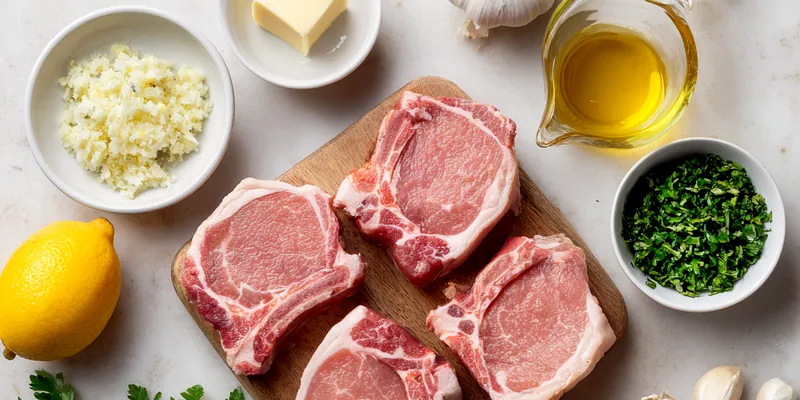
The quality of your ingredients directly impacts the final dish, and this is especially true with a simple recipe like this one. When shopping for pork chops, look for cuts that are about 1 inch thick with a nice amount of marbling throughout—those white streaks of fat will keep the meat moist and flavorful during cooking. Bone-in chops tend to be more flavorful and are less likely to dry out, though boneless works well too. The meat should be pinkish-red in color, not gray or brown, and should have a fresh smell. If possible, choose heritage breed pork or pork labeled 'pasture-raised' for superior flavor and texture.
For the garlic and lemon, freshness is non-negotiable. Use fresh garlic cloves that you mince yourself—pre-minced jarred garlic lacks the pungent, sweet complexity of fresh. Choose firm garlic bulbs with tight, papery skin and no green sprouts. For lemons, select ones that feel heavy for their size with smooth, thin skin—they'll be juicier. Roll them firmly on the counter before juicing to release more juice. Fresh Italian flat-leaf parsley is far superior to dried for this recipe, providing a bright, peppery note that dried simply cannot replicate. The butter should be unsalted so you can control the seasoning, and use a good quality olive oil for searing.
Essential Ingredient Notes
- Pork Chops: Choose center-cut bone-in pork chops about 1 inch thick. They should have a nice pink color and some marbling. Avoid thin chops (under 3/4 inch) as they cook too quickly and easily become dry. Let them sit at room temperature for 15-20 minutes before cooking for even heat distribution.
- Fresh Garlic: Use fresh garlic cloves for the best flavor—about 6-8 medium cloves will give you the 2 tablespoons needed when minced. Garlic cloves should be firm, not soft or sprouting. Mince them finely so they distribute evenly and cook quickly in the hot butter without burning.
- Fresh Lemons: You'll need 2 medium lemons to yield 1/4 cup of fresh juice. Look for lemons that are heavy for their size with thin, smooth skin—these are juiciest. Meyer lemons work beautifully if available, offering a slightly sweeter, more floral flavor. Always strain the juice to remove seeds and pulp.
Mastering the Pan-Searing Technique
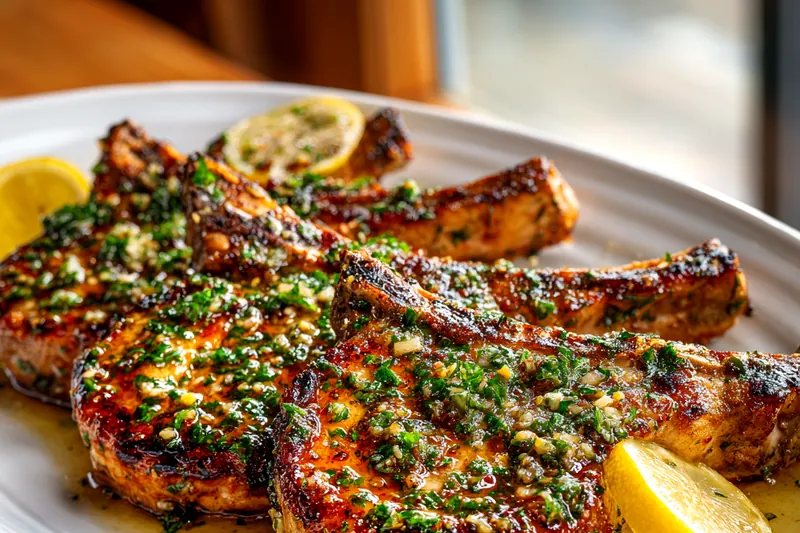
Pan-searing is a fundamental cooking technique that creates incredible flavor through the Maillard reaction—the chemical process that browns proteins and creates complex, savory flavors. The key to a perfect sear is high heat, a dry surface, and patience. When you place a properly dried, seasoned pork chop in a hot pan with shimmering oil, the proteins on the surface begin to caramelize, forming that coveted golden-brown crust. This crust not only tastes amazing but also provides textural contrast to the tender interior. The trick is leaving the meat alone—resist the urge to move or flip it early. If you try to flip before the crust has formed, the meat will stick and tear.
The garlic-butter sauce technique is equally important. By making the sauce in the same pan after searing the pork chops, you capture all those flavorful browned bits (called fond) stuck to the bottom. When you add the liquid and scrape the pan with a wooden spoon, those bits dissolve into the sauce, creating layers of flavor you simply can't achieve any other way. The butter added at the end emulsifies with the lemon juice and broth, creating a glossy, restaurant-quality sauce. This is called finishing with butter or 'mounting' the sauce, and it transforms a simple pan sauce into something luxurious. Swirl the pan rather than stirring vigorously to keep the emulsion intact.
The Perfect Sear
Achieving a perfect sear requires three essential elements: a dry surface, high heat, and patience. Pat your pork chops completely dry—any moisture will create steam and prevent browning. Heat your pan over medium-high until a drop of water sizzles and evaporates immediately. Add oil and wait until it shimmers but doesn't smoke. Place the chops carefully in the pan and resist all temptation to peek underneath for at least 4 minutes. The meat will release naturally when the crust is properly formed. This technique works for any protein and is a cornerstone of great cooking.
Sicilian Pork Chops with Garlic and Lemon
📋 Ingredients
For the Pork Chops
- 4 tablespoons butter, dividedUse unsalted butter so you can control the salt level in your dish
- 6 cloves garlic, mincedFresh garlic is essential—don't use pre-minced from a jar
- 1/2 cup chicken brothLow-sodium broth works best; can substitute with white wine
- 1/4 cup fresh lemon juice (about 2 lemons)Always use fresh-squeezed for the brightest flavor
- 1/4 cup fresh Italian parsley, finely choppedFlat-leaf parsley has better flavor than curly for this dish
- 1 teaspoon dried oreganoClassic Sicilian herb that adds earthy, aromatic notes
- Lemon slices for garnishBoth decorative and functional—guests can squeeze extra juice
For the Garlic-Lemon Sauce
- 4 bone-in pork chops (about 1-inch thick, 8-10 oz each)Look for chops with good marbling and a nice fat cap on the edge
- 2 teaspoons saltKosher salt is preferred for even distribution and better control
- 1 teaspoon black pepperFreshly ground black pepper provides the best flavor
- 1 teaspoon garlic powderAdds an extra layer of garlic flavor to complement the fresh garlic
- 3 tablespoons olive oilUse regular olive oil for searing, not extra virgin (which has a lower smoke point)
Instructions
Season the Pork Chops
Pat the pork chops completely dry with paper towels. This is crucial for achieving a good sear. Combine salt, pepper, and garlic powder in a small bowl. Season both sides of each pork chop generously with the spice mixture, pressing gently so it adheres to the meat. Let them sit at room temperature for 10 minutes while you prepare other ingredients.
Sear the Pork Chops
Heat olive oil in a large heavy-bottomed skillet or cast-iron pan over medium-high heat until shimmering but not smoking. Carefully place the pork chops in the pan without overcrowding (work in batches if needed). Sear for 4-5 minutes on the first side without moving them, until a golden-brown crust forms. Flip and sear for another 4-5 minutes on the second side. The internal temperature should reach 145°F. Transfer to a plate and tent loosely with foil.
Make the Garlic Sauce
Reduce heat to medium and add 2 tablespoons of butter to the same pan. Once melted, add the minced garlic and cook for 30-45 seconds, stirring constantly until fragrant but not browned. Pour in the chicken broth and lemon juice, scraping up any browned bits from the bottom of the pan with a wooden spoon. These bits add incredible flavor to your sauce.
Finish the Sauce
Let the sauce simmer for 2-3 minutes until slightly reduced. Stir in the dried oregano and remaining 2 tablespoons of butter, swirling the pan until the butter is fully melted and the sauce is glossy. Add the chopped parsley and stir to combine. Taste and adjust seasoning with additional salt and pepper if needed.
Combine and Serve
Return the pork chops to the pan, spooning the garlic-lemon sauce over the top. Let them warm through for 1-2 minutes, basting with the sauce. Transfer the pork chops to a serving platter, pour the remaining sauce over them, and garnish with fresh lemon slices and additional parsley. Serve immediately while hot.
Recipe Notes & Tips
Storage
Store leftover pork chops in an airtight container in the refrigerator for up to 3 days. Keep the sauce separate if possible. Reheat gently in a covered skillet over medium-low heat with a splash of broth to prevent drying out. Avoid microwaving as it can make the meat tough.
Serving Suggestions
These pork chops pair beautifully with creamy polenta, garlic mashed potatoes, risotto, roasted vegetables, or a simple green salad. The sauce is perfect for soaking up with crusty Italian bread. For a complete Italian meal, start with a Caprese salad and finish with tiramisu.
Variations
Try adding capers for a briny punch, sun-dried tomatoes for sweetness, or red pepper flakes for heat. You can substitute chicken breasts or thick fish fillets for the pork using the same cooking method. For a wine-based sauce, replace half the chicken broth with dry white wine. Fresh basil or rosemary can replace the oregano for different flavor profiles.