Skillet Chicken Scarpariello
Chicken Scarpariello is a bold, rustic Italian-American dish that translates to 'shoemaker's chicken' – a hearty, no-frills meal made with simple ingredients that pack incredible flavor. This one-skillet wonder combines crispy-skinned chicken with savory Italian sausage, sweet and hot peppers, and a tangy white wine sauce that's absolutely addictive. Perfect for Sunday suppers or any night you crave authentic Italian comfort food.


The Story Behind Chicken Scarpariello
Chicken Scarpariello has humble Italian-American origins, born in the immigrant kitchens of New York's Italian neighborhoods. The name translates to 'shoemaker's chicken' or 'shoemaker style,' likely referring to the rustic, working-class nature of the dish. Legend has it that shoemakers would prepare this hearty meal using whatever they had on hand – chicken pieces, sausage, peppers from their gardens, and wine. The result is a gloriously messy, intensely flavorful one-pan meal that embodies the soul of Italian home cooking.
What sets scarpariello apart from other Italian chicken dishes is its distinctive sweet-and-sour flavor profile. The combination of white wine, vinegar, and cherry pepper brine creates a tangy sauce that cuts through the richness of the chicken skin and sausage. Sweet bell peppers balance the heat from cherry peppers, while garlic and oregano tie everything together with classic Italian aromatics. This dish is all about bold, unapologetic flavors that develop as the chicken and sausage braise in that incredible sauce.
💡 Professional Tip
The secret to exceptional scarpariello is building fond – those caramelized bits stuck to the bottom of your skillet after browning the chicken and sausage. Don't wipe them away! When you deglaze with wine, those bits dissolve into the sauce, creating deep, complex flavor that can't be replicated any other way.
Frequently Asked Questions
Yes! Scarpariello actually tastes even better the next day as the flavors meld together. Cook the dish completely, let it cool, then refrigerate in an airtight container for up to 3 days. Reheat gently on the stovetop over medium-low heat, adding a splash of chicken stock if the sauce has thickened too much. You can also freeze it for up to 2 months – thaw overnight in the refrigerator before reheating.
While traditional scarpariello uses bone-in, skin-on dark meat for maximum flavor and moisture, you can use chicken breasts if you prefer. However, reduce the cooking time to 12-15 minutes to prevent them from drying out, and check that they reach 165°F internal temperature. Bone-in breasts work better than boneless for this braising method. Keep in mind that dark meat provides richer flavor and stays more tender during the longer cooking time.
Use high-quality Italian sausage links – either sweet or hot depending on your heat preference, or use a combination of both for balanced flavor. Avoid pre-cooked sausage; raw sausage will brown better and release flavorful fat into the dish. Look for sausage with fennel seeds for authentic Italian flavor. If using chicken sausage for a lighter version, add an extra tablespoon of olive oil since it contains less fat.
Cherry peppers are sold in jars in the pickle or Italian section of most grocery stores. They're small, round red peppers that come packed in vinegar brine. The brine is essential to the dish's signature tangy flavor, so save it when you open the jar. If you can't find cherry peppers, substitute with pepperoncini or banana peppers, though the flavor will be slightly different. Adjust the vinegar in the recipe to compensate for the different brine.
The chicken is done when it reaches an internal temperature of 165°F in the thickest part of the thigh or drumstick. The meat should be tender and nearly falling off the bone, and the juices should run clear when pierced. The sausage should be cooked through with no pink remaining. The sauce should be reduced to a glaze-like consistency that coats the back of a spoon but isn't too thick. If the sauce reduces too much, add a splash of stock.
Scarpariello pairs beautifully with crusty Italian bread for soaking up the tangy sauce – this is essential! Other excellent accompaniments include creamy polenta, garlic mashed potatoes, pasta (especially rigatoni or penne), or sautéed broccoli rabe for an authentically Italian meal. A simple arugula salad with lemon vinaigrette cuts through the richness perfectly. Serve with a dry Italian white wine like Pinot Grigio or Vermentino.
Absolutely! For a spicier version, use hot Italian sausage, increase the red pepper flakes to 1 teaspoon, and use all hot cherry peppers instead of a mix. For a milder version, use sweet sausage, omit the red pepper flakes, and substitute mild banana peppers for the cherry peppers. You can also reduce the amount of pepper brine by half and add more chicken stock to balance the tanginess without the heat.
Store leftover scarpariello in an airtight container in the refrigerator for up to 4 days. The flavors intensify as it sits, making leftovers incredibly delicious. Reheat gently on the stovetop over medium-low heat, adding 2-3 tablespoons of chicken stock or water to loosen the sauce. You can also reheat individual portions in the microwave at 50% power, stirring halfway through. Avoid reheating multiple times, as the chicken can become dry.
Recipe Troubleshooting Guide
Chicken Skin Not Crispy
Problem: The chicken skin stays rubbery instead of getting crispy and golden.
Solution: Make sure your skillet is properly preheated before adding the chicken, and don't move the pieces around once they're in the pan. Pat the chicken completely dry with paper towels before seasoning – moisture is the enemy of crispy skin. Also ensure you're not crowding the pan; brown in batches if necessary. Finally, don't skip the step of browning skin-side down first for the full 5-6 minutes.
Sauce Too Thin
Problem: The sauce is watery and won't thicken or cling to the chicken.
Solution: Remove the lid during the last 5-10 minutes of cooking to allow excess liquid to evaporate and the sauce to reduce. If it's still too thin, remove the chicken and sausage to a platter and increase heat to medium-high, simmering the sauce until it reduces to your desired consistency. The sauce should coat the back of a spoon. Alternatively, reduce the initial liquid amounts by 1/4 cup next time.
Sauce Too Thick or Reduced
Problem: The sauce has reduced too much and become overly concentrated or sticky.
Prevention: Add chicken stock or water in 2-tablespoon increments, stirring to incorporate and loosening the sauce to the right consistency. This often happens if your heat is too high or if you cook uncovered for too long. Keep the heat at a gentle simmer rather than a rolling boil, and check the sauce level periodically during cooking, adding liquid as needed.
Chicken Dry or Overcooked
Problem: The chicken is tough, dry, or stringy instead of tender and juicy.
Recovery: Check the internal temperature with a meat thermometer – stop cooking the moment it reaches 165°F. Overcooking is the usual culprit for dry chicken. If using chicken breasts, reduce cooking time significantly (12-15 minutes instead of 15-18). Make sure you're braising with the lid on for most of the cooking time to keep moisture in. Dark meat is more forgiving and less likely to dry out than white meat.
Not Enough Tangy Flavor
Problem: The dish lacks the characteristic tangy, bright flavor that defines scarpariello.
Prevention: The tanginess comes from three sources: wine, vinegar, and cherry pepper brine. Don't skip or reduce any of these. If the finished dish tastes flat, add 1-2 tablespoons more red wine vinegar or cherry pepper brine at the end and simmer for 2 minutes. Taste as you go – scarpariello should have a pronounced sweet-and-sour balance that makes your mouth water. Add a squeeze of lemon juice as a last resort to brighten flavors.
Flavor Balance Issues
Too Sweet: If the dish is too sweet from the bell peppers, add an extra tablespoon of red wine vinegar or a squeeze of fresh lemon juice to balance the sweetness with acidity.
Too Salty: If it's too salty from the sausage or stock, add a diced fresh tomato or 1-2 tablespoons of sugar to balance the saltiness, then thin with unsalted stock or water.
Bland: If flavors are bland or flat, the dish needs more salt, acid, or both. Add kosher salt in small increments, then brighten with additional vinegar or cherry pepper brine. Fresh herbs at the end also lift flavors significantly.
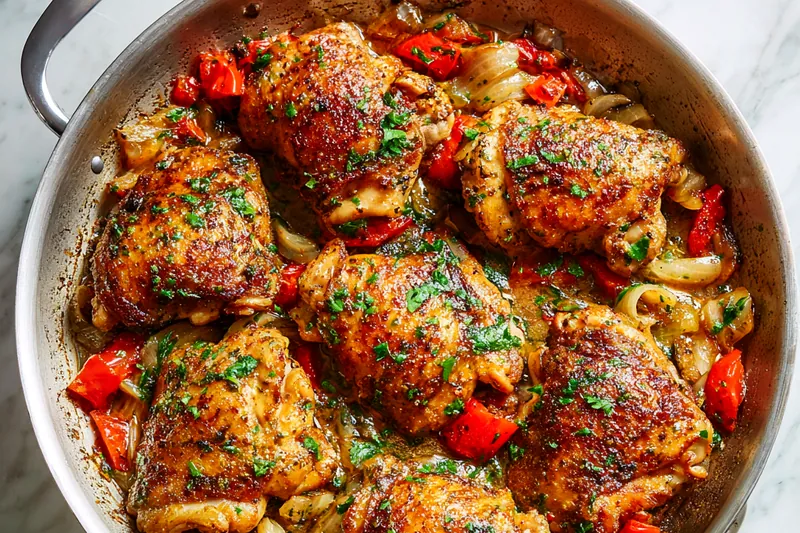
Selecting the Best Ingredients for Scarpariello
The beauty of scarpariello lies in its simplicity, which means ingredient quality really matters. For the chicken, choose bone-in, skin-on pieces – a mix of thighs and drumsticks is traditional and provides the richest flavor and most tender texture. The bones add depth to the sauce while the skin crisps beautifully during browning. Avoid skinless or boneless chicken for this dish; you'll lose much of the character that makes scarpariello special. Look for organic or free-range chicken if possible for superior flavor.
Italian sausage is the co-star of this dish, so don't settle for mediocre quality. Visit an Italian deli or butcher for authentic sausage with the right blend of pork, fennel, and spices. The sausage should have visible specks of fat and seasoning throughout. For the peppers, use a combination of sweet bell peppers for body and color, plus jarred cherry peppers for that signature tangy heat. The cherry pepper brine is crucial – it's not just for flavor but for the authentic scarpariello taste profile. Fresh garlic and good olive oil round out the aromatics.
Essential Ingredient Notes
- Italian Sausage: Choose high-quality links from an Italian deli if possible – look for coarsely ground pork with visible fennel seeds and fat marbling. Sweet sausage provides a milder base while hot sausage adds heat. Many cooks use a 50/50 mix. The sausage should be raw, not pre-cooked, so it browns properly and releases flavorful fat into the dish.
- Cherry Peppers and Brine: These small, round red peppers packed in vinegar brine are essential for authentic scarpariello. The peppers provide heat and sweetness, while the brine delivers the tangy, pickled flavor that defines the dish. Save every drop of that brine – it's liquid gold! Find them in the pickle aisle or Italian section, often labeled as 'hot cherry peppers' or 'peppers in vinegar.'
- Bone-In, Skin-On Chicken: Dark meat (thighs and drumsticks) is traditional and stays moist during braising. The bones add gelatin and flavor to the sauce while the skin crisps during browning and protects the meat from drying out. Pat the chicken very dry before cooking for maximum crispiness. Don't trim away excess skin – it renders down and adds richness.
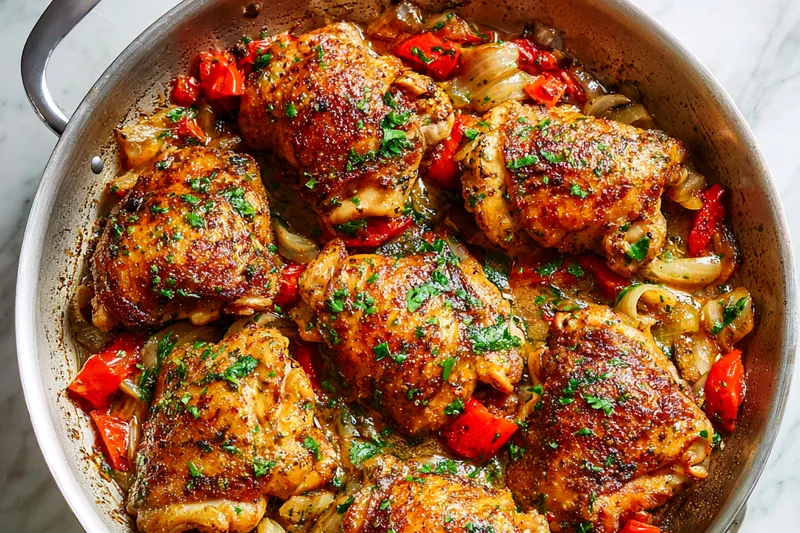
Mastering the Scarpariello Technique
The key to perfect scarpariello is understanding the layering of flavors. Start by thoroughly browning the chicken and sausage – this isn't just about cooking them, it's about creating fond, those caramelized bits on the bottom of the pan that form the foundation of your sauce. Don't rush this step. Proper browning takes patience, but it rewards you with deep, complex flavors that can't be achieved any other way. The chicken skin should be deeply golden and crispy, and the sausage should have dark brown spots.
Once you've built your fond and sautéed your aromatics, the deglazing step is crucial. Pour in the white wine while the pan is still hot and scrape vigorously with a wooden spoon to release every bit of that browned goodness. This is where much of your sauce's depth comes from. Then comes the braising – covering the chicken to steam it tender while the sauce reduces around it. The final flourish is uncovering the pan for the last few minutes, allowing the sauce to thicken and glaze the chicken. The result should be tender meat coated in a glossy, tangy sauce that makes you want to lick the pan.
Building and Using Fond
Fond is the French culinary term for those browned, caramelized bits stuck to the bottom of your pan after searing meat. It's essentially concentrated flavor. To build good fond, make sure your pan is hot, your meat is dry, and you don't move it around too much. Let it sear undisturbed. When you deglaze with wine, those bits dissolve into your liquid, creating incredible depth. Never scrub away fond – it's the secret weapon that separates good scarpariello from great scarpariello.
Skillet Chicken Scarpariello
📋 Ingredients
For the Chicken and Sausage
- 3/4 cup dry white wineUse Pinot Grigio, Sauvignon Blanc, or dry vermouth
- 1/2 cup chicken stockLow-sodium preferred for better control of saltiness
- 1/4 cup red wine vinegarProvides essential tanginess; don't substitute
- 2 tablespoons cherry pepper brineFrom the jar of cherry peppers; adds signature flavor
- 1 teaspoon dried oreganoItalian oregano preferred
- 1/2 teaspoon red pepper flakesAdjust to taste for heat level
For the Sauce and Vegetables
- 3 pounds chicken thighs and drumsticksBone-in, skin-on for best flavor and texture
- 1 pound Italian sausageSweet, hot, or a mix; cut into 2-inch pieces
- 3 tablespoons olive oil, dividedExtra virgin for best flavor
- 1 large red bell pepper, cut into stripsAdds sweetness and color
- 1 large yellow bell pepper, cut into stripsFor visual appeal and sweet flavor
- 4-6 cherry peppers, stemmed and halvedJarred in brine; adjust quantity for heat preference
- 1 large onion, slicedYellow or white onion works well
- 6 cloves garlic, mincedFresh garlic is essential; don't use jarred
- Salt and black pepper to tasteKosher salt recommended
- Fresh parsley, choppedFor garnish and fresh flavor
Instructions
Brown the Chicken and Sausage
Season chicken pieces generously with salt and pepper. Heat 2 tablespoons olive oil in a large skillet over medium-high heat. Brown chicken pieces skin-side down for 5-6 minutes until golden and crispy. Flip and brown the other side for 3-4 minutes. Remove chicken and set aside. Add sausage pieces to the same skillet and brown on all sides, about 5 minutes. Remove and set aside with chicken.
Sauté the Vegetables
Reduce heat to medium and add remaining tablespoon of olive oil to the skillet. Add sliced onions and cook for 3-4 minutes until softened. Add bell peppers and cherry peppers, cooking for another 4-5 minutes until peppers begin to soften. Stir in minced garlic, oregano, and red pepper flakes, cooking for 1 minute until fragrant.
Deglaze and Build the Sauce
Pour in white wine, scraping up all the browned bits from the bottom of the skillet with a wooden spoon. Let wine reduce by half, about 3 minutes. Add chicken stock, red wine vinegar, and cherry pepper brine. Stir to combine and bring to a simmer.
Braise the Chicken
Return chicken pieces and sausage to the skillet, nestling them into the pepper mixture. Spoon some sauce over the chicken. Cover and simmer for 15-18 minutes until chicken reaches an internal temperature of 165°F and is cooked through. Remove lid for the last 5 minutes to allow sauce to thicken slightly.
Finish and Serve
Taste the sauce and adjust seasoning with additional salt, pepper, or vinegar if needed. The sauce should be tangy, savory, and slightly sweet from the peppers. Garnish generously with fresh chopped parsley and serve immediately with crusty Italian bread or over creamy polenta.
Recipe Notes & Tips
Storage
Store leftovers in an airtight container in the refrigerator for up to 4 days. The flavors intensify and meld beautifully overnight. Reheat gently on the stovetop over medium-low heat, adding a splash of chicken stock to loosen the sauce. Can be frozen for up to 2 months; thaw overnight in refrigerator before reheating.
Serving Suggestions
Serve with crusty Italian bread for soaking up the incredible sauce, or spoon over creamy polenta, garlic mashed potatoes, or pasta. Pair with sautéed broccoli rabe or a simple arugula salad dressed with lemon and olive oil. A dry Italian white wine like Pinot Grigio or Vermentino complements the tangy flavors perfectly.
Variations
Make it spicier by using all hot Italian sausage and increasing red pepper flakes. For a milder version, use sweet sausage and substitute banana peppers for cherry peppers. Add potatoes cut into chunks during the braising step for a more substantial one-pot meal. Some cooks add a splash of balsamic vinegar at the end for extra depth.