Tender Indian Beef Curry with Basmati
Embark on a culinary journey with our Tender Indian Beef Curry, a dish that promises rich flavors and melt-in-your-mouth beef. Slow-cooked to perfection, this curry is infused with a symphony of aromatic Indian spices that will tantalize your taste buds. Served alongside fragrant basmati rice, it's a complete and satisfying meal perfect for a cozy family dinner or entertaining guests. Experience the warmth and depth of authentic Indian cuisine right in your own kitchen with this exquisite recipe.

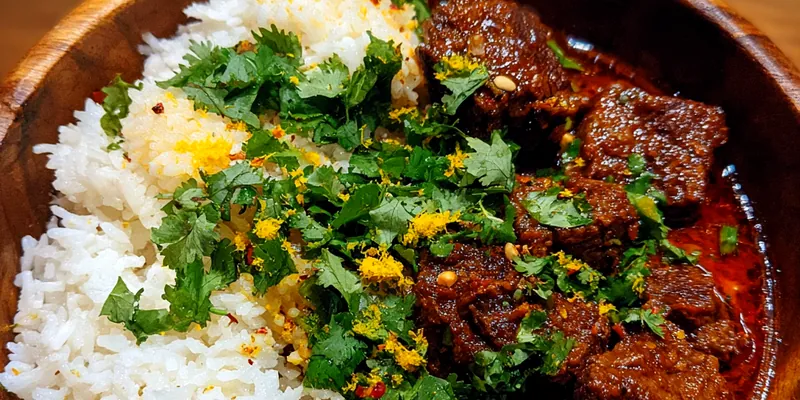
Why This Tender Indian Beef Curry with Basmati Recipe Works
This recipe stands out due to its thoughtful layering of traditional Indian spices, creating an incredibly deep and complex flavor profile that isn't overwhelmingly spicy. The key to its success lies in the slow braising method, which transforms tougher cuts of beef into unbelievably tender, melt-in-your-mouth morsels. We start by browning the beef to lock in juices and build a foundational savory crust. Each step is designed to maximize flavor extraction and ensure a consistently delicious outcome.
By first sautéing the aromatics like onion, garlic, and ginger until deeply golden, we unlock their full sweetness and pungency before adding the dry spices. Toasting the spices briefly awakens their essential oils, intensifying their fragrance and taste. The addition of diced tomatoes and beef broth creates a rich, acidic base that helps tenderize the meat, while full-fat coconut milk provides a creamy, luxurious finish. The result is a perfectly balanced curry with a luscious sauce that clings beautifully to the tender beef and complements the fluffy basmati rice.
💡 Professional Tip
For an even richer flavor, prepare this curry a day in advance. The spices have more time to meld and deepen, making the curry taste even better the next day. Simply reheat gently on the stovetop or in the microwave, adding a splash of water or broth if the sauce has thickened too much.
Frequently Asked Questions
Absolutely! Indian curries often taste even better the next day as the flavors have more time to meld and develop. Prepare the curry entirely, let it cool, then store it in an airtight container in the refrigerator for up to 3-4 days. When ready to serve, gently reheat on the stovetop over low heat, adding a little water or broth if the sauce has become too thick.
If beef stew meat isn't available or you prefer an alternative, you can use lamb shoulder, boneless chicken thighs, or even firm tofu for a vegetarian option. Cooking times will vary significantly: chicken thighs will cook much faster (around 30-40 minutes), while lamb will be similar to beef. For tofu, simply simmer for 15-20 minutes to absorb flavors.
The beef curry is done when the beef stew meat is fork-tender. This means you should be able to easily pull apart a piece of beef with a fork, with very little resistance. The total cooking time can vary based on the cut and size of your beef cubes, so always test for tenderness rather than relying solely on the clock. The sauce should also have thickened slightly and appear rich and well-integrated.
Yes, this curry freezes beautifully! Once cooled completely, transfer the curry (without the basmati rice, which is best made fresh) to freezer-safe containers or bags. It can be frozen for up to 3 months. Thaw overnight in the refrigerator before reheating gently on the stovetop. You might want to add a fresh garnish of cilantro after reheating.
Besides the accompanying basmati rice, this curry pairs wonderfully with warm naan bread or roti for scooping up the delicious sauce. A side of cooling raita (yogurt with cucumber and mint), a simple green salad, or some mango chutney would also complement the rich flavors of the curry beautifully. Don't forget a squeeze of fresh lime juice at the end for brightness.
When stored in an airtight container, the Tender Indian Beef Curry will last for 3-4 days in the refrigerator. Ensure it cools down quickly before refrigerating to maintain freshness. The flavors will deepen over time, making it a great meal prep option for busy weeknights.
Yes, making this curry in advance is highly recommended! The longer the flavors have to meld, the more delicious the curry becomes. You can cook the entire curry portion (excluding the rice) up to 2-3 days ahead of time. Store it in an airtight container in the fridge and gently reheat before serving with freshly cooked basmati rice.
The best way to reheat the curry is on the stovetop over low to medium-low heat, stirring occasionally to prevent sticking. Add a splash of water or beef broth if the sauce has become too thick during refrigeration. Heat until it's simmering gently and heated through completely. Avoid high heat, which can cause the coconut milk to separate or the beef to become tough.
Recipe Troubleshooting Guide
Too Dry
Problem: The curry sauce is too thick or has reduced too much, resulting in a dry dish.
Solution: Add more beef broth or water, about 1/4 to 1/2 cup at a time, until the desired consistency is reached. You can also stir in a little extra coconut milk for creaminess, especially if reheating leftovers.
Not Tender Enough
Problem: The beef is still tough after the recommended cooking time.
Solution: Beef tenderness is key for this dish. If the beef isn't tender, it simply needs more time. Cover the pot and continue simmering on low heat, checking every 30 minutes, until the beef is easily shreddable with a fork. Tough cuts require patience; don't rush the process.
Overcooked Rice
Problem: Basmati rice is mushy or sticky instead of fluffy.
Prevention: Ensure you rinse the basmati rice thoroughly before cooking to remove excess starch. Use the correct water-to-rice ratio (typically 1.5 cups water to 1 cup rice for stovetop). Avoid lifting the lid during cooking and let it rest, covered, for 5-10 minutes off the heat after cooking to steam perfectly.
Bland Flavor
Problem: The curry lacks a deep, rich, or balanced flavor.
Recovery: Ensure spices are toasted briefly before adding liquid. If bland, you can simmer a bit longer, allowing flavors to concentrate. A pinch more salt, a squeeze of fresh lime juice, or a final sprinkle of garam masala can often brighten and deepen the taste. Don't skip the fresh ginger and garlic!
Coconut Milk Curdled
Problem: The coconut milk has separated or looks grainy in the sauce.
Prevention: This often happens if coconut milk is added to a vigorously boiling curry or reheated too quickly on high heat. Add coconut milk at the end, and only simmer gently. If it separates, try whisking vigorously off the heat, or add a small splash of cold water and whisk again. Using full-fat coconut milk also helps prevent separation.
Flavor Balance
Too Sweet: If too sweet (e.g., from too much coconut milk or tomatoes), add a squeeze of fresh lime juice or a tiny pinch of cayenne pepper to cut through the sweetness.
Too Salty: If too salty, add a diced potato to the curry and simmer; the potato will absorb some salt. Alternatively, dilute with a bit more unsalted beef broth or coconut milk. A squeeze of lime can also help balance the perception of saltiness.
Bland: If bland, check seasoning and add more salt if needed. Re-toast a small amount of the dry spices (cumin, coriander, curry powder) in a separate pan, then stir into the curry. A final sprinkle of garam masala just before serving will also boost aromatic flavors.
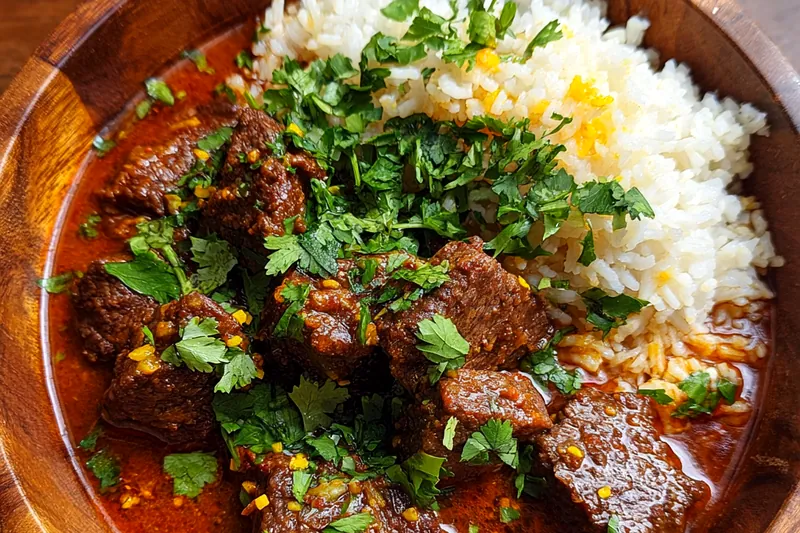
Essential Ingredients for Tender Indian Beef Curry with Basmati
The foundation of any great Indian curry lies in its ingredients, and this Tender Indian Beef Curry is no exception. We recommend using a good quality beef stew meat, such as chuck, which breaks down beautifully during the slow cooking process, becoming incredibly tender and absorbing all the rich flavors. Fresh aromatics like ginger and garlic are non-negotiable, providing a pungent base that awakens the palate. And of course, a robust blend of Indian spices forms the soul of the dish, giving it its characteristic warmth and depth.
Investing in fresh, whole spices whenever possible, and toasting them yourself, will yield a far more aromatic and flavorful curry than pre-ground, older spices. Full-fat coconut milk is crucial for achieving that luscious, creamy texture without watering down the richness. For the basmati rice, choose a high-quality aged variety, as it will cook up fluffier and more fragrant, perfectly complementing the robust curry. Don't skimp on fresh cilantro for garnish; it adds a burst of freshness that brightens the entire dish.
Essential Ingredient Notes
- Beef Stew Meat: Opt for chuck roast or boneless short ribs, cut into 1.5-inch cubes. These cuts have enough fat and connective tissue to become incredibly tender and flavorful during the slow braising process, preventing the curry from becoming dry.
- Madras Curry Powder: Madras curry powder offers a balanced, medium-spicy heat and a vibrant yellow color. If you prefer less heat, use a mild curry powder. For a more authentic experience, ensure your spices are fresh; older spices lose their potency and aroma.
- Full-Fat Coconut Milk: Always use full-fat coconut milk from a can for the best creamy texture and rich flavor. Light coconut milk will result in a thinner, less satisfying sauce. Shake the can well before opening to combine the cream and liquid.
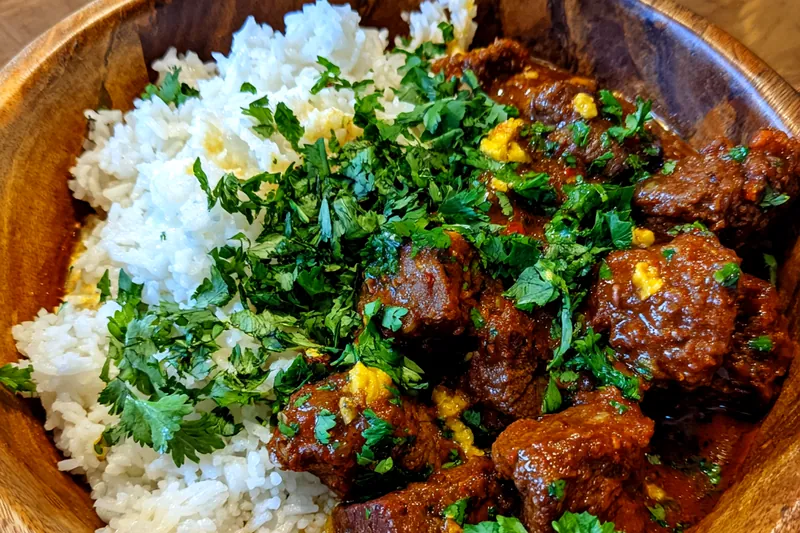
Step-by-Step Cooking Process
The cooking process for this Tender Indian Beef Curry is designed to maximize flavor development at every stage, starting with a crucial browning of the beef. This step creates a rich fond at the bottom of the pot, which, when deglazed, becomes the flavorful backbone of our sauce. Next, sautéing the aromatics until golden ensures their sweet and pungent notes are fully released. The subsequent toasting of dry spices briefly in oil intensifies their aroma and taste, integrating them seamlessly into the curry base.
The true magic happens during the slow braising period, where patience is key. Allowing the beef to gently simmer in the aromatic liquid for an extended time breaks down connective tissues, resulting in unparalleled tenderness. Finally, incorporating the coconut milk towards the end ensures a silky-smooth sauce without curdling. This methodical approach guarantees a curry that is not only tender and flavorful but also beautifully balanced, embodying the essence of authentic Indian home cooking.
Key Technique for Perfect Tender Indian Beef Curry with Basmati
The most critical technique for this curry is the slow braising of the beef. After browning, the beef needs to simmer on low heat, covered, for at least 1.5 to 2 hours, or even longer, until it is absolutely fork-tender. This low-and-slow approach allows the collagen in the beef to break down into gelatin, creating that coveted melt-in-your-mouth texture and enriching the sauce with body and flavor. Do not rush this step; patience is rewarded with supreme tenderness.
Tender Indian Beef Curry with Basmati
📋 Ingredients
Main Ingredients
- 2 tbsp vegetable oilFor browning and sautéing
- 1 cup beef brothLow sodium recommended
- 2 tbsp Madras curry powderMedium heat, balanced flavor
- 1 tsp garam masalaFreshly ground for best aroma
- 1 tsp ground turmericFor color and earthy notes
- 1/2 tsp ground cuminAdds warmth and depth
- 1/2 tsp ground corianderCitrusy and sweet notes
For the Sauce
- 1.5 lbs beef stew meatCut into 1.5-inch cubes
- 1 large onionFinely chopped
- 4 cloves garlicMinced
- 1 inch fresh gingerGrated
- 1 (14.5 oz) can diced tomatoesUndrained
- 1 (13.5 oz) can full-fat coconut milkShake well before opening
- 1.5 cups basmati riceRinsed thoroughly
- 3 cups waterFor cooking rice
- Fresh cilantro, choppedFor garnish
- Salt to tasteAdjust as needed
Instructions
Prepare the Beef
Pat the beef stew meat dry with paper towels and season generously with salt and pepper.
Brown the Beef
Heat vegetable oil in a large Dutch oven or heavy-bottomed pot over medium-high heat. Brown the beef in batches until seared on all sides, then remove and set aside.
Sauté Aromatics
Reduce heat to medium. Add chopped onion to the pot and cook until softened and translucent, about 5-7 minutes. Add minced garlic and grated ginger, cooking for another minute until fragrant.
Toast Spices and Deglaze
Stir in Madras curry powder, garam masala, turmeric, cumin, and coriander. Cook for 30 seconds until fragrant. Pour in beef broth, scraping the bottom of the pot to loosen any browned bits.
Simmer the Curry Base
Add the diced tomatoes and bring to a gentle simmer. Return the browned beef to the pot, ensuring it's mostly submerged in the liquid.
Slow Cook to Tenderness
Cover the pot and reduce heat to low. Simmer for at least 1.5 to 2 hours, or until the beef is fork-tender, stirring occasionally.
Add Coconut Milk and Finish
Stir in the full-fat coconut milk and continue to simmer uncovered for another 15-20 minutes, allowing the sauce to thicken slightly. Taste and adjust seasoning as needed.
Cook Basmati Rice
While the curry finishes, rinse basmati rice thoroughly under cold water. Combine rice with 3 cups of water and a pinch of salt in a saucepan. Bring to a boil, then reduce heat to low, cover, and simmer for 12-15 minutes, or until water is absorbed and rice is fluffy. Let stand 5 minutes, then fluff with a fork.
Serve and Garnish
Serve the tender Indian beef curry hot over fluffy basmati rice, garnished generously with fresh chopped cilantro.
Recipe Notes & Tips
Storage Tips
Leftover Tender Indian Beef Curry can be stored in an airtight container in the refrigerator for up to 3-4 days. For longer storage, freeze the curry (without the rice) in freezer-safe containers for up to 3 months. Thaw overnight in the fridge before reheating gently.
Serving Suggestions
This curry is perfectly paired with fluffy basmati rice. Enhance your meal with warm naan bread or roti to soak up the delicious sauce. A side of cooling cucumber raita or a simple green salad can also provide a refreshing contrast to the rich flavors.
Recipe Variations
For a spicier kick, add a whole green chili (slit lengthwise) while sautéing the aromatics or a pinch more cayenne pepper. You can also incorporate vegetables like potatoes, carrots, or green peas during the last hour of simmering. For a richer flavor, consider blooming whole spices (cardamom pods, cinnamon stick, cloves) in oil before adding onions.